
Resources
Resources & FAQs
Guides, checklists and references to help you scope your packaging line — plus answers to common questions about working with Pure.
Library
Guides, Checklists & References
Practical resources for planning your packaging line. All available on request.
Insights
Packaging Automation Articles
Practical articles from Pure on machine selection, line design and packaging formats.
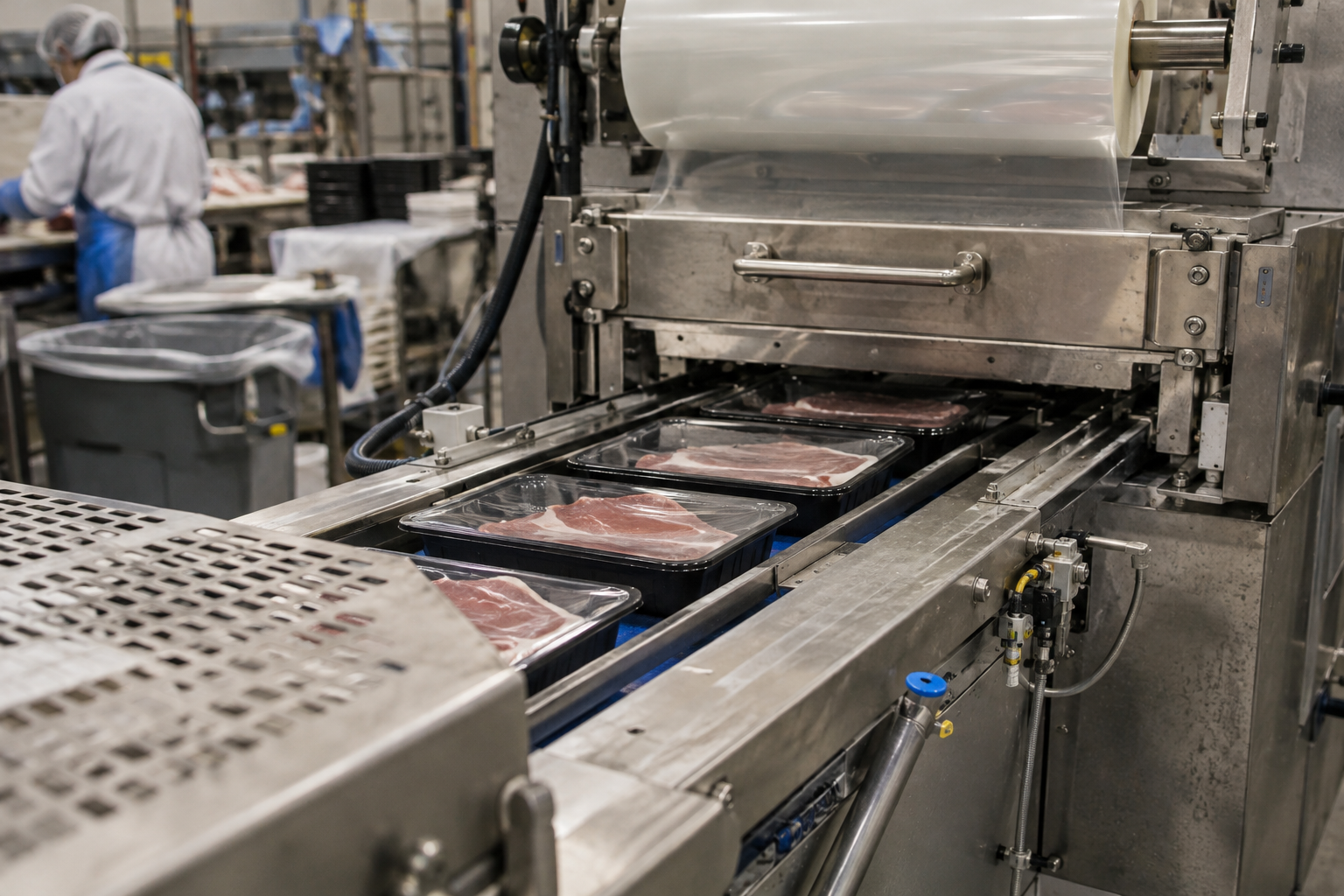
Tray Sealing and MAP: Solve the Package Problem Before Specifying the Machine
Tray sealing problems often begin outside the sealer. A useful equipment trial tests the product, package and operating conditions together, not just the ability to produce a clean seal.
More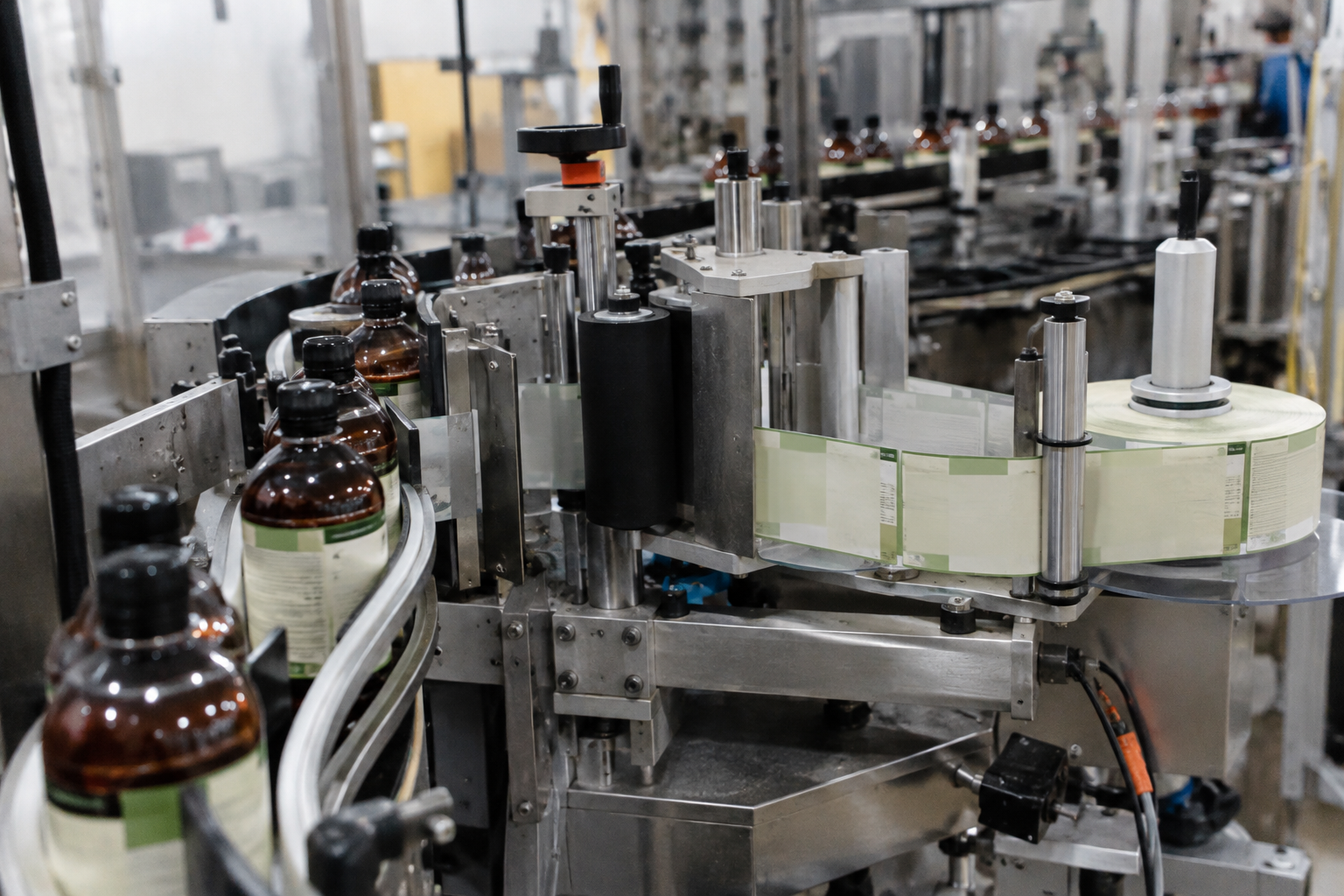
Which Labeling Method Fits Each Package Format?
Start with the package shape, the faces you need to label and the information the label must carry. This guide compares five labeling methods and the practical checks that help narrow the choice.
More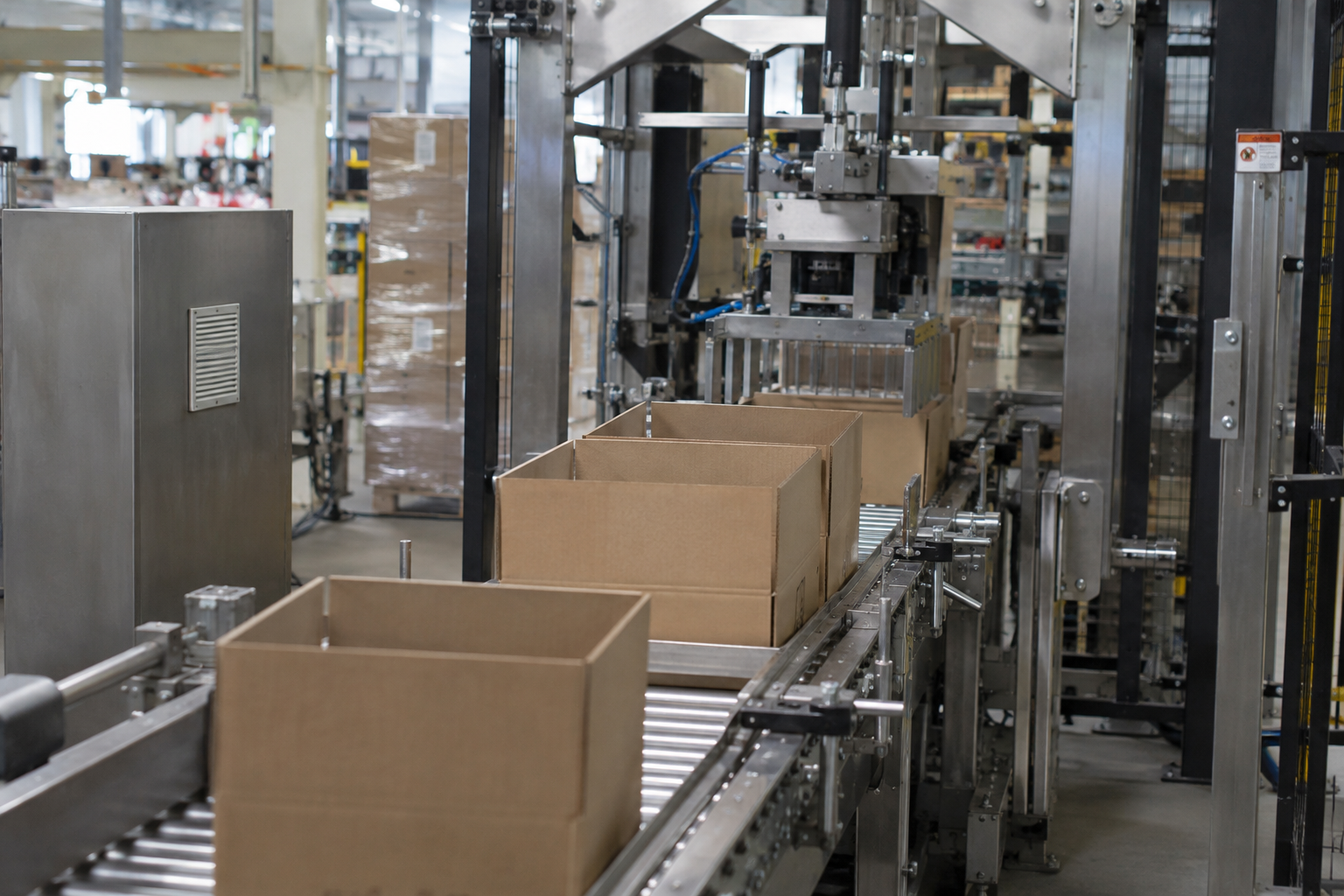
Buying a Case Packing System: Questions to Settle Before You Order
A case packer should be evaluated against real product behavior, actual case quality and the way your line operates. Use these questions to build a practical specification and compare proposals on equal terms.
More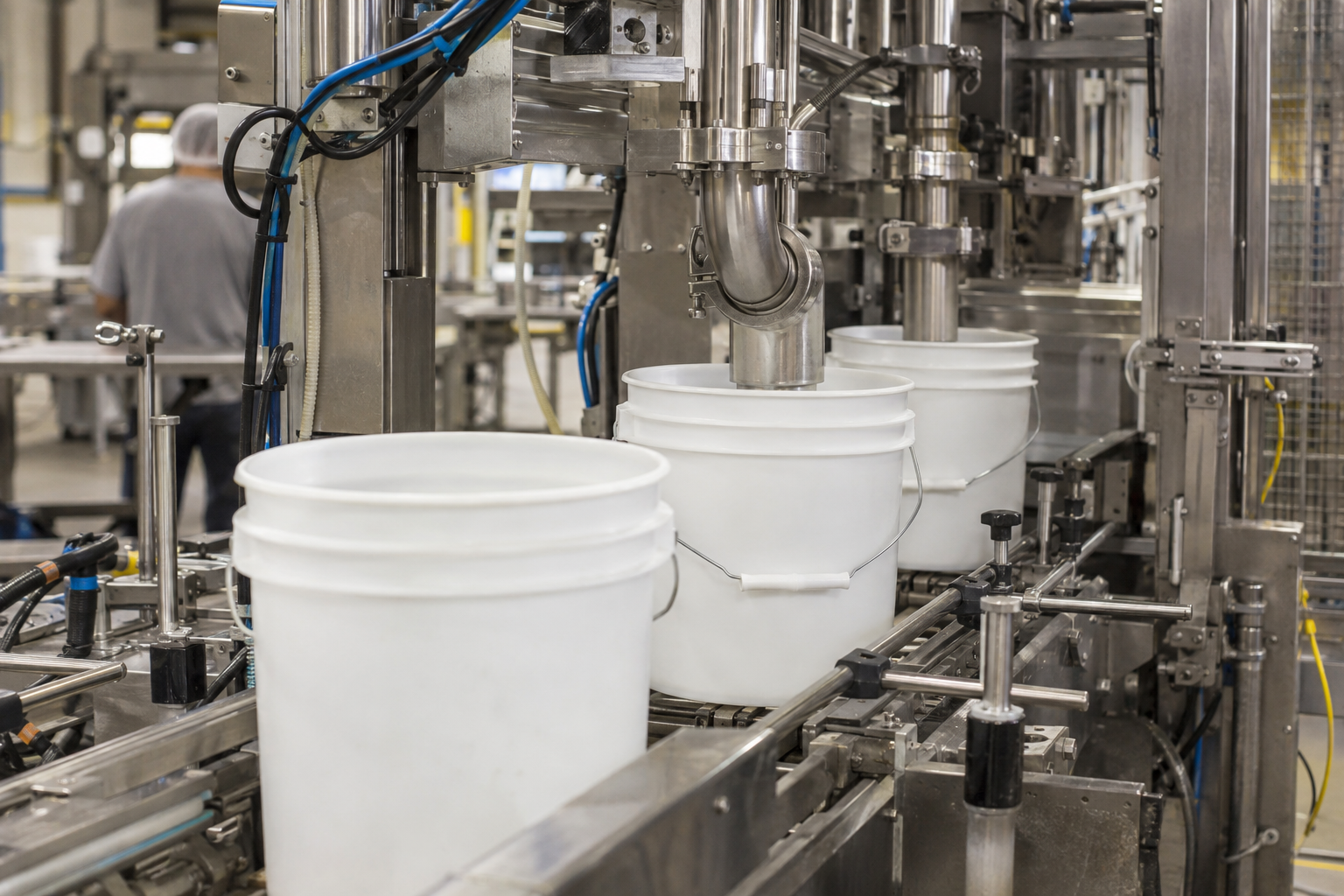
How to Select a Bucket and Pail Filling Line for Your Product
Start with the product, container and required closure, then decide which filling and sealing steps belong in your line. This guide compares four equipment applications and the questions that help establish a workable configuration.
More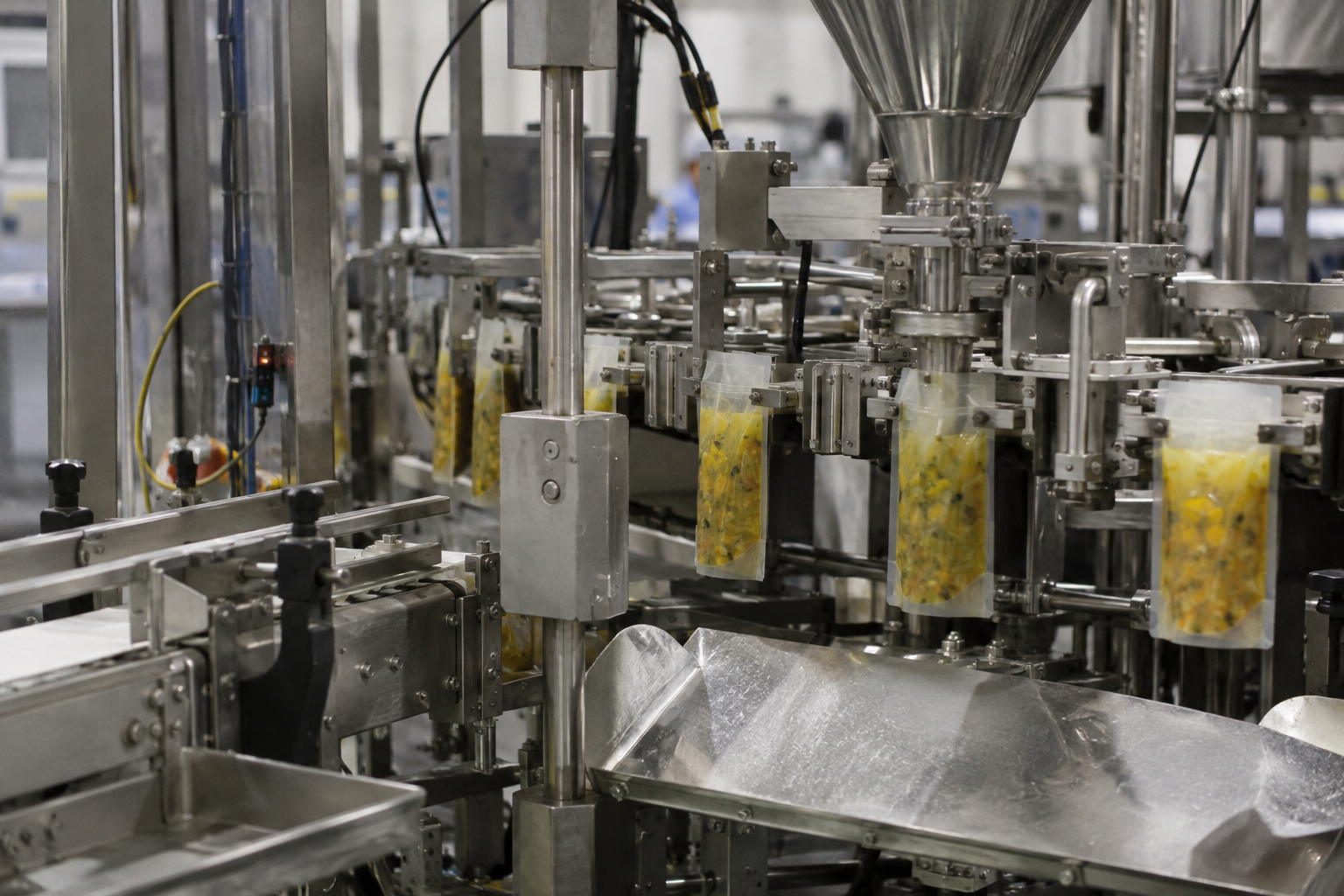
Premade Pouch Packaging: Engineer Around the Product, Pouch and Seal
A premade pouch machine must handle the product and the package as one system. Start with filling behavior, pouch variability and seal requirements before selecting the machine configuration.
More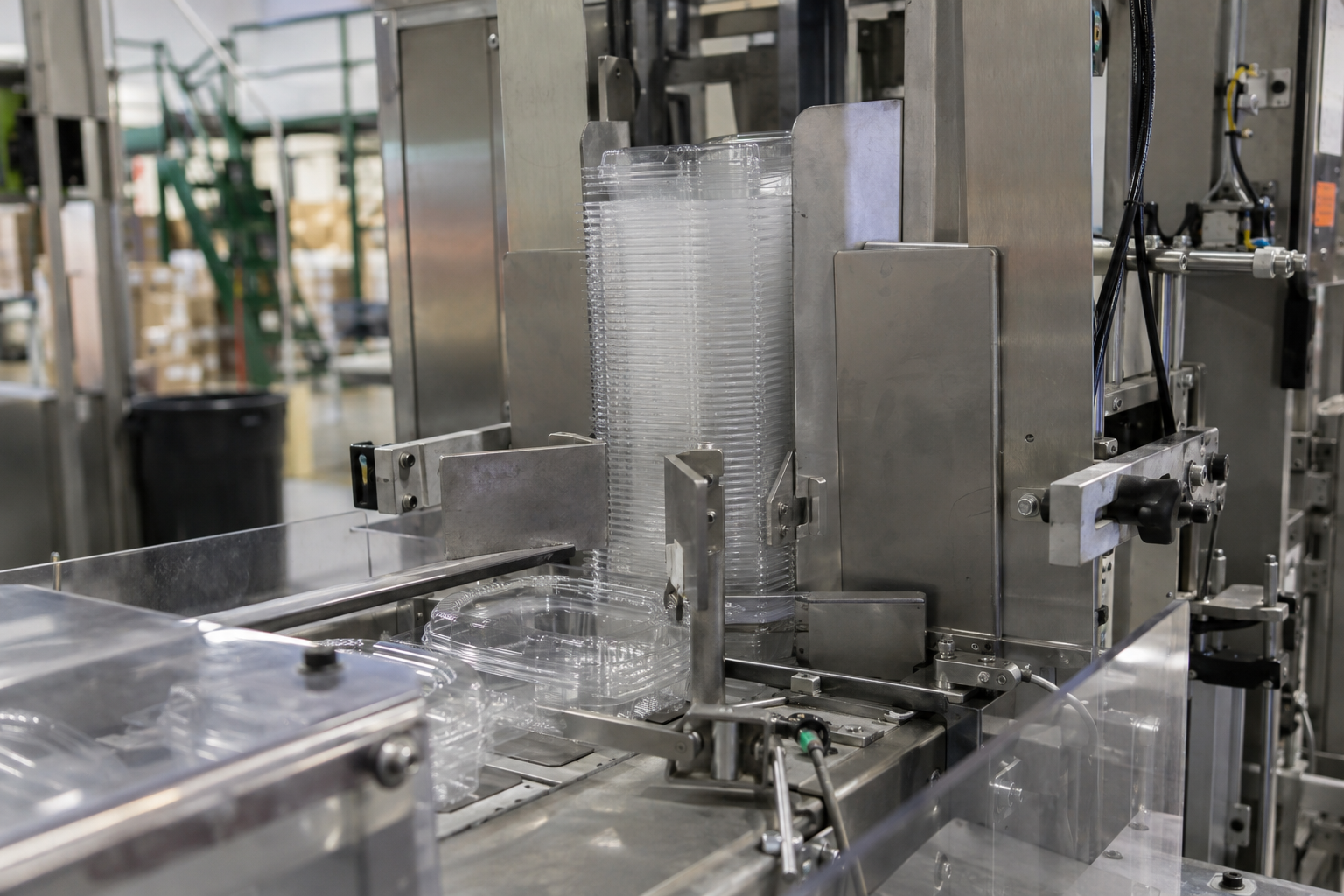
What Does an Automated Clamshell Packaging Line Include?
An automated clamshell line can include denesting, filling and closing, labeling, and case packing. The right combination depends on your product, pack format, and where automation will help your operation.
More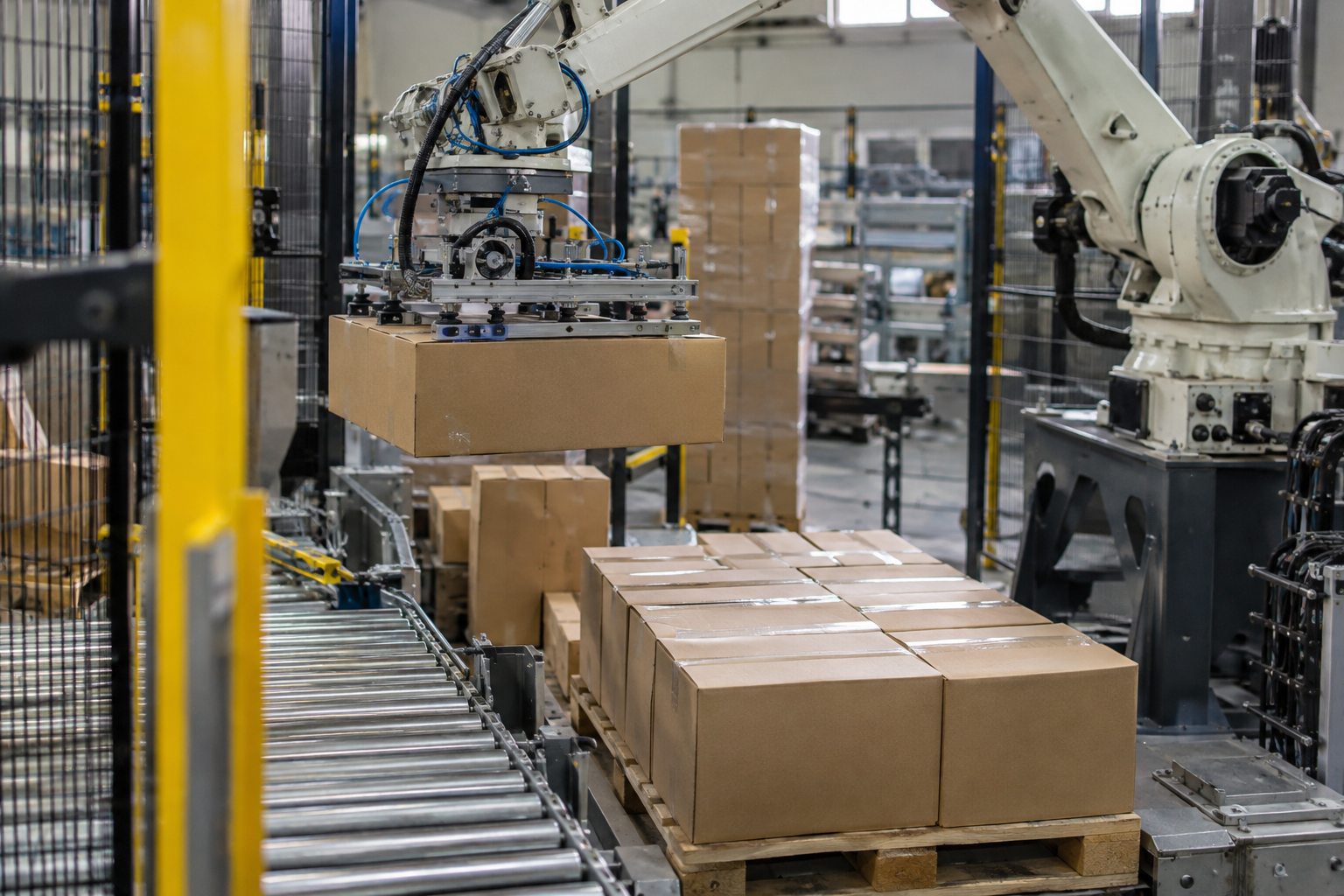
Engineering a Robotic Palletizing Cell Around Real Production Constraints
A reliable palletizing cell starts with package behavior, production peaks and recovery requirements. Evaluate those constraints before selecting the robot or laying out the equipment.
More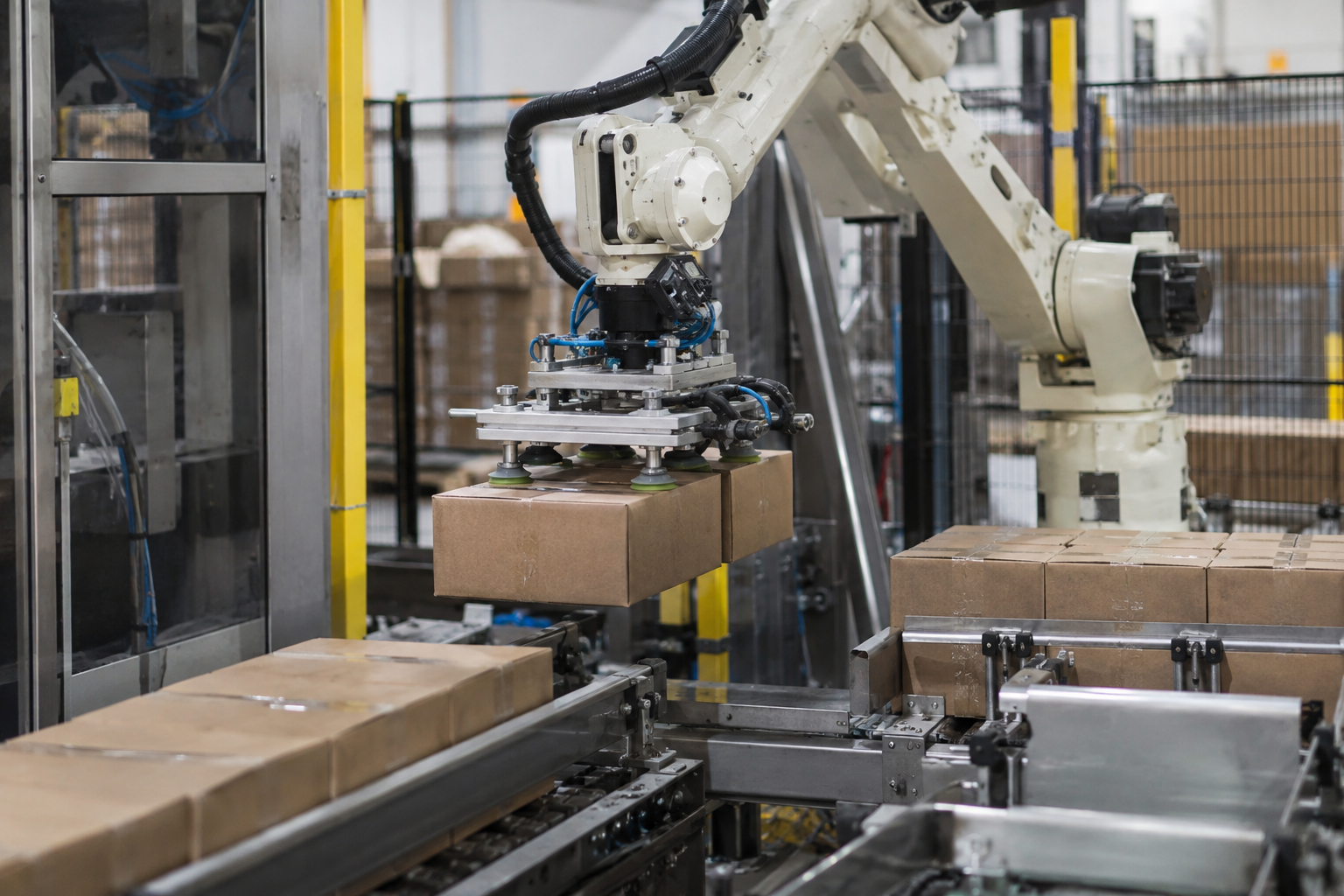
Integrated Robotic Packaging Systems: Practical Answers Before You Automate
A packaging robot succeeds or fails as part of a complete line. These application questions help plant teams define requirements, expose integration risks and plan meaningful acceptance tests.
More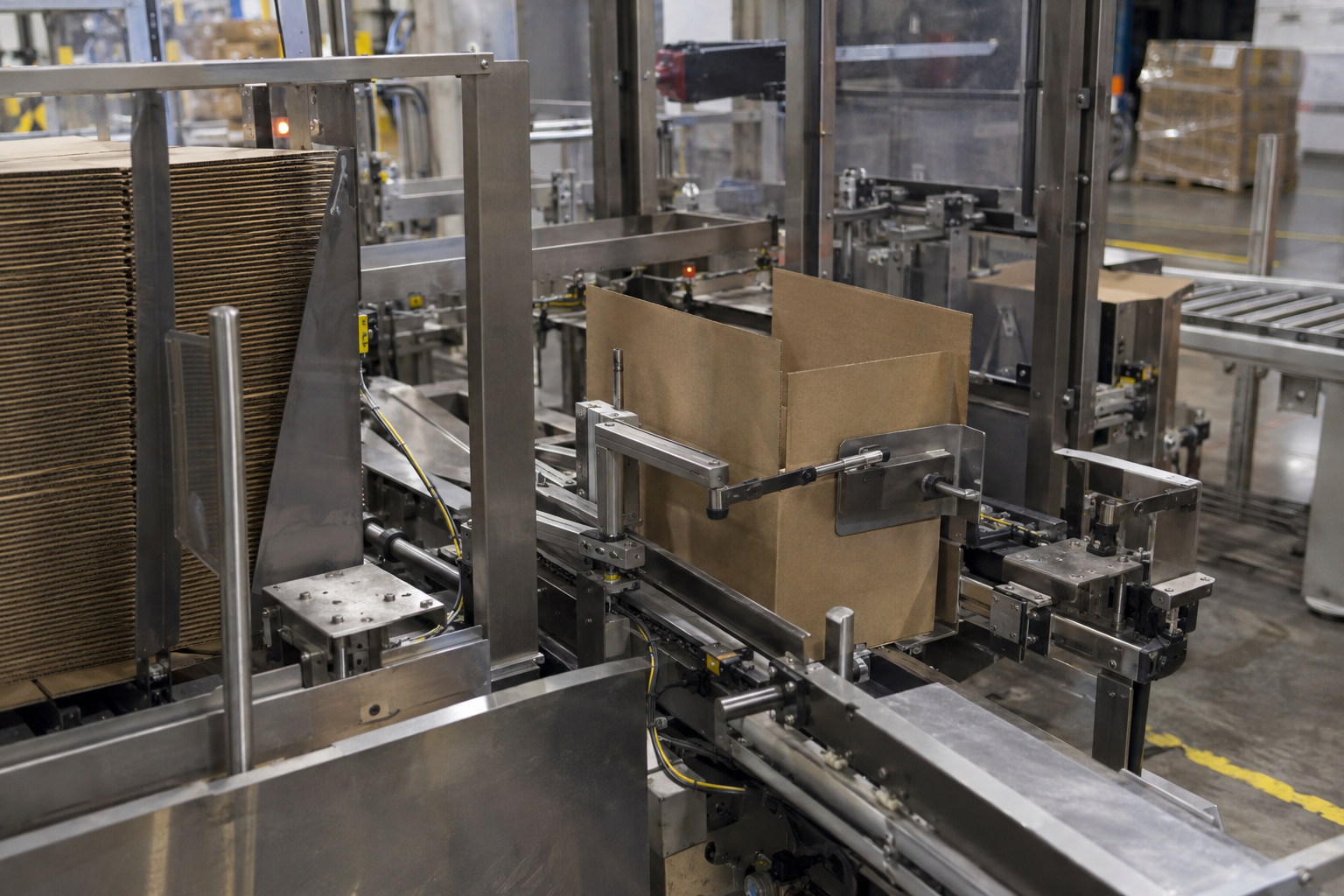
How to Choose a Case Packer and End-of-Line Layout
Choose a case packer around the product, case format and loading pattern, then plan the equipment and working space around it. This guide explains what to compare and which questions to settle before committing to a layout.
More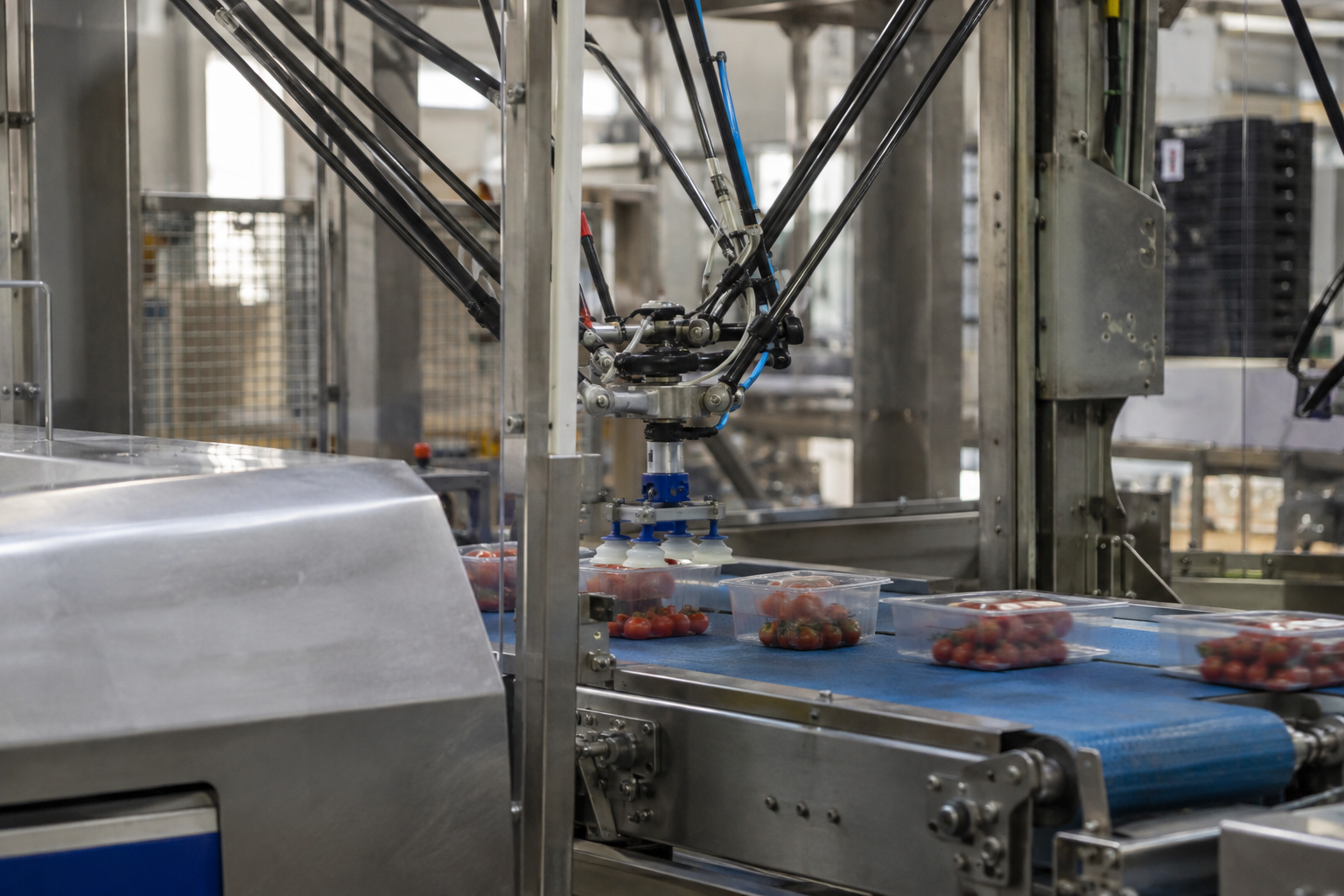
Which Robotic Handling Approach Fits Each Packaging Task?
Match the handling method to the job: conveyor picking, delicate placement, distribution case packing or pallet building. Here is what to check before choosing a system.
More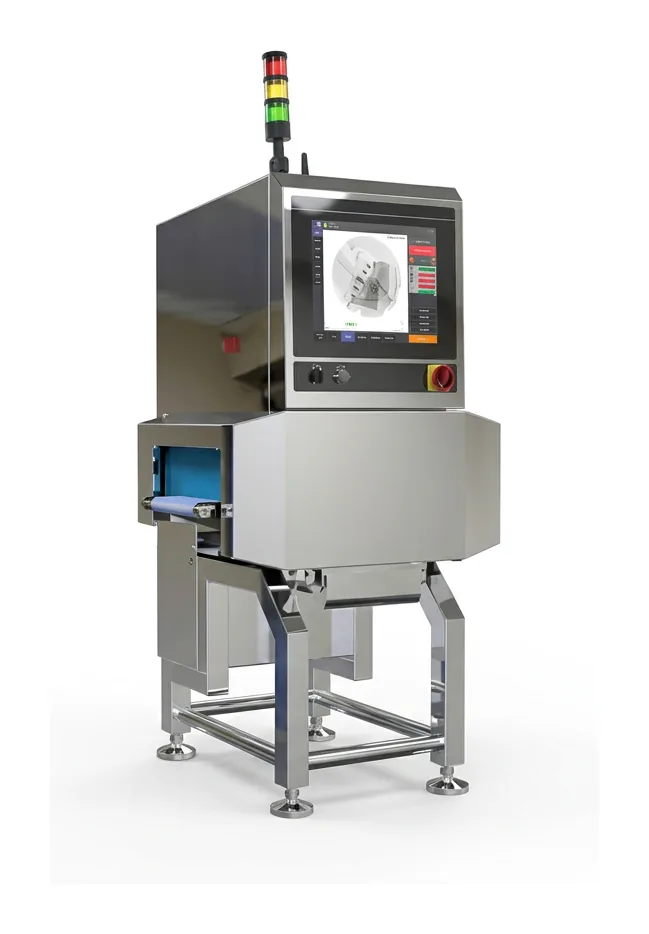
X-ray, Metal Detection or Checkweighing: Which Inspection Does Your Packaging Line Need?
Choose inspection around the defect you need to catch, not the equipment name. Compare X-ray, metal detection, checkweighing and vision against your product, pack and line requirements.
More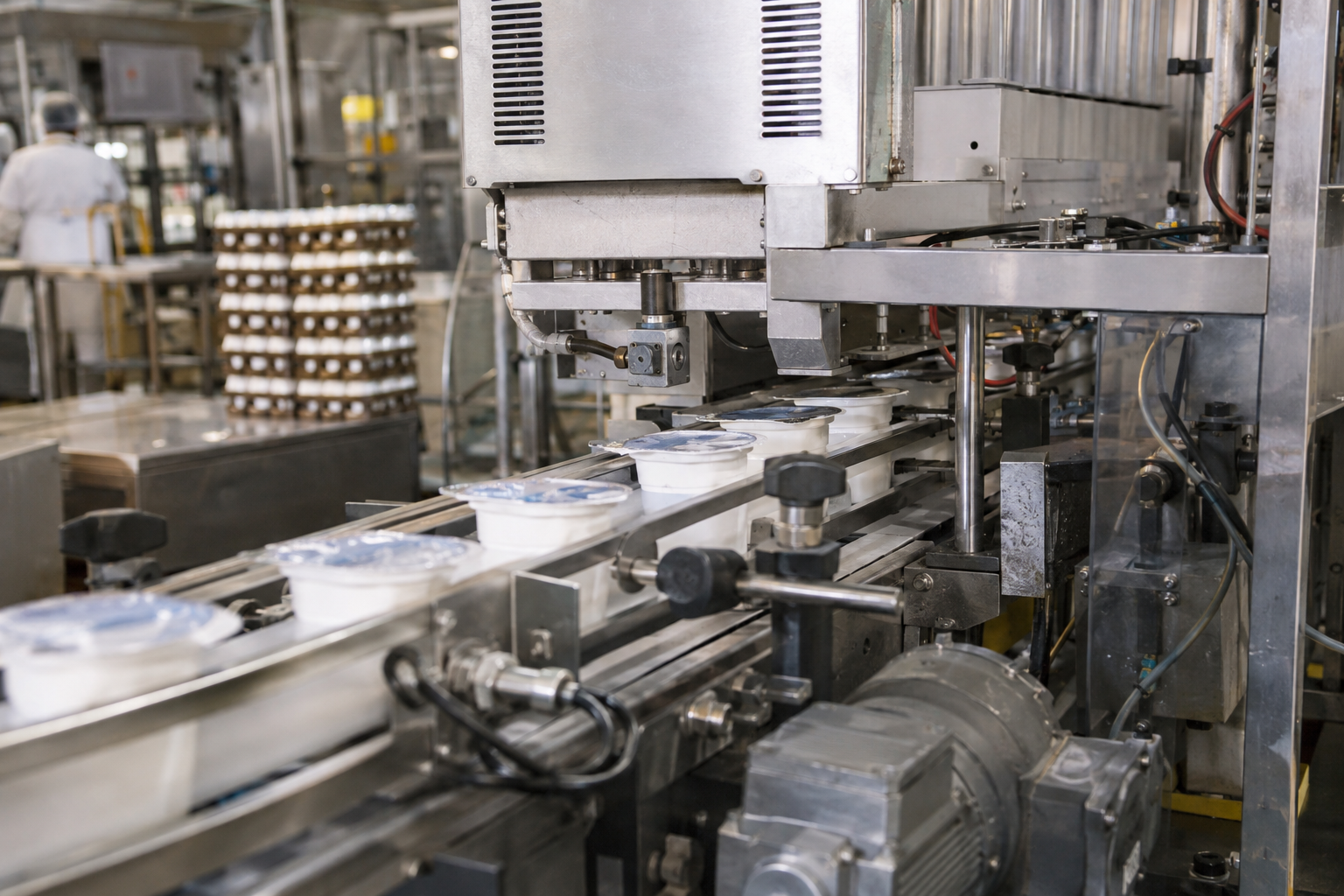
Food and Dairy Packaging Automation: Solve the Line Constraints Before Selecting Equipment
A packaging machine can perform well on its own and still create problems on the production floor. Better decisions start with product behavior, sanitation requirements and the conditions surrounding the machine.
More
Buying Packaging Automation: Questions to Answer Before You Approve the Equipment
A useful automation proposal starts with the production problem, not the machine catalog. Use this buyer’s checklist to define requirements, compare options and plan acceptance before committing capital.
More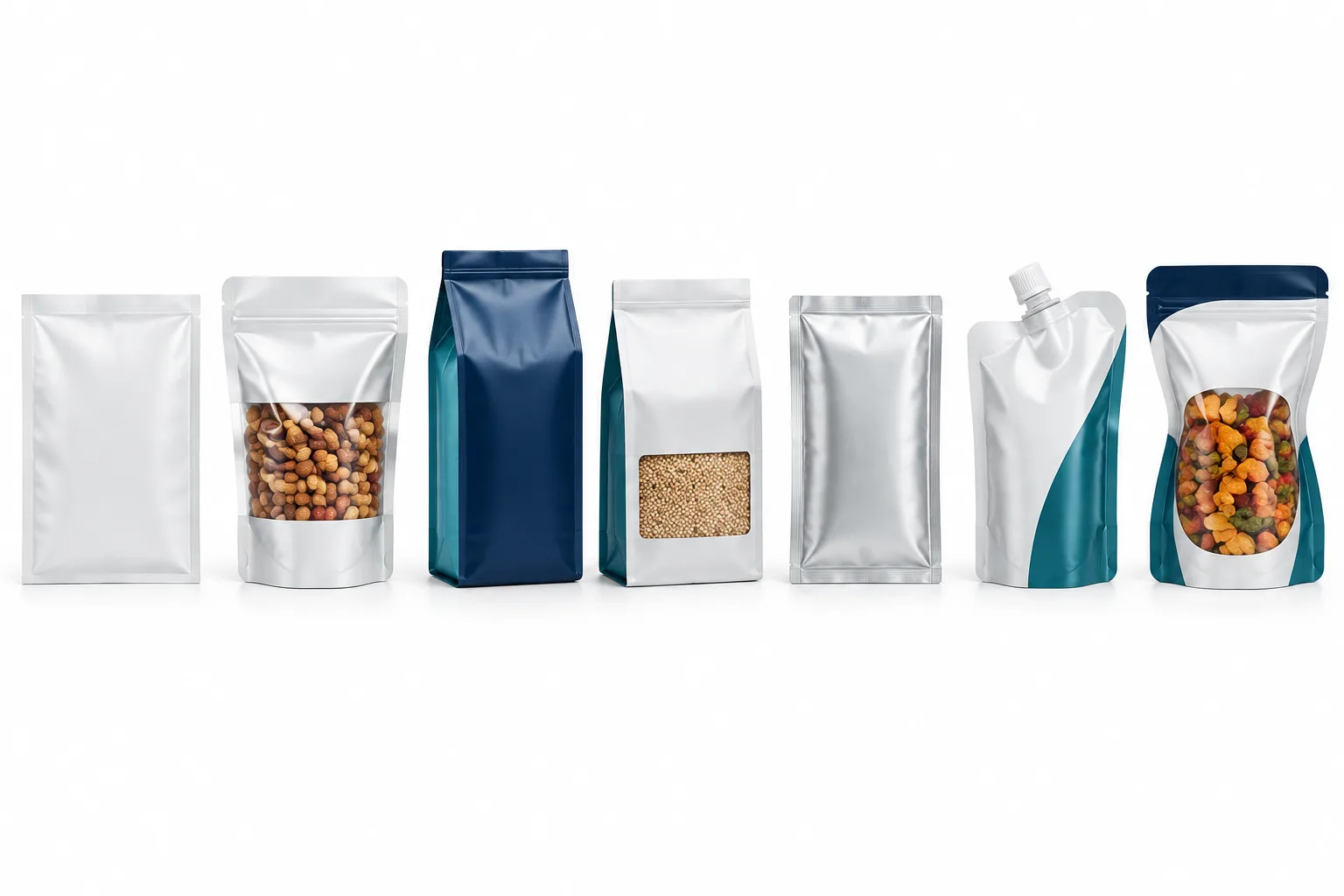
Form Fill Seal or Premade Pouch: Which Bagging Approach Fits Your Product?
The right bagging approach depends on your product, pack format and operating routine. Compare vertical and horizontal form fill seal with premade pouch filling, then identify what to test before choosing.
More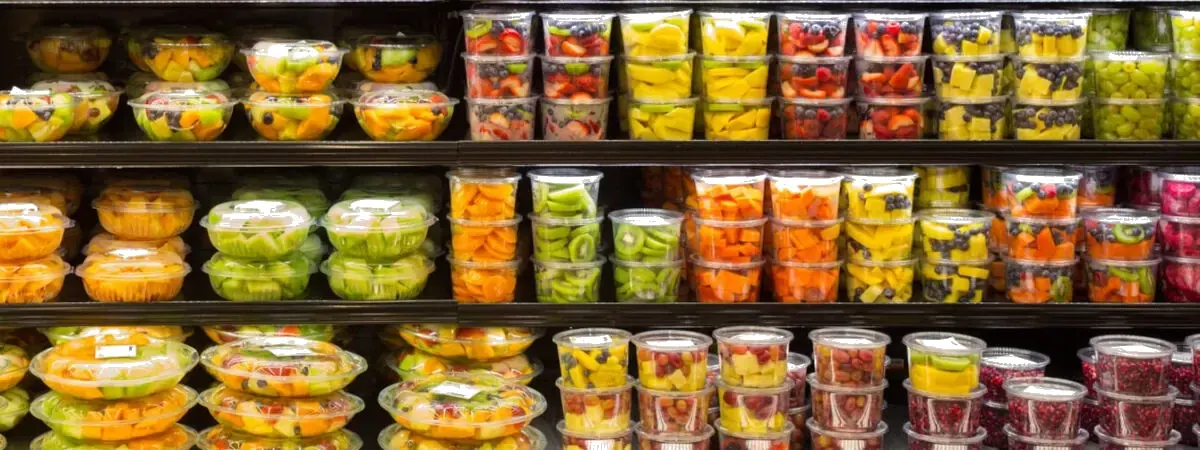
Engineering a Clamshell Packaging Line Around the Package
Clamshell automation starts with package behavior, not a target machine rate. Evaluate separation, loading, closure and fault recovery before defining the equipment scope.
More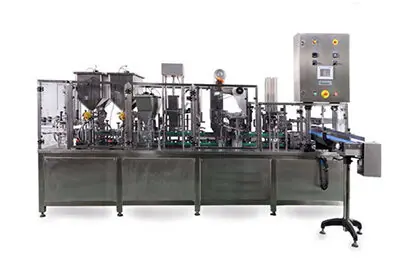
Rotary or Inline: Which Cup Filling and Sealing Machine Fits Your Product and Output?
Rotary and inline cup machines suit different combinations of product, pack format and output. Here is how to compare them without letting layout or a headline production rate decide the purchase.
MoreWhich Filling Method Fits Your Product and Container?
The right filling method depends on the product, container and production mix. Compare five options and the practical questions that separate a workable match from a costly mismatch.
More
Labeling and Coding: Six Questions to Answer Before Specifying Equipment
Reliable labeling and coding starts with the package, the production environment and the information being applied. These six application questions help plant teams define requirements before choosing equipment.
More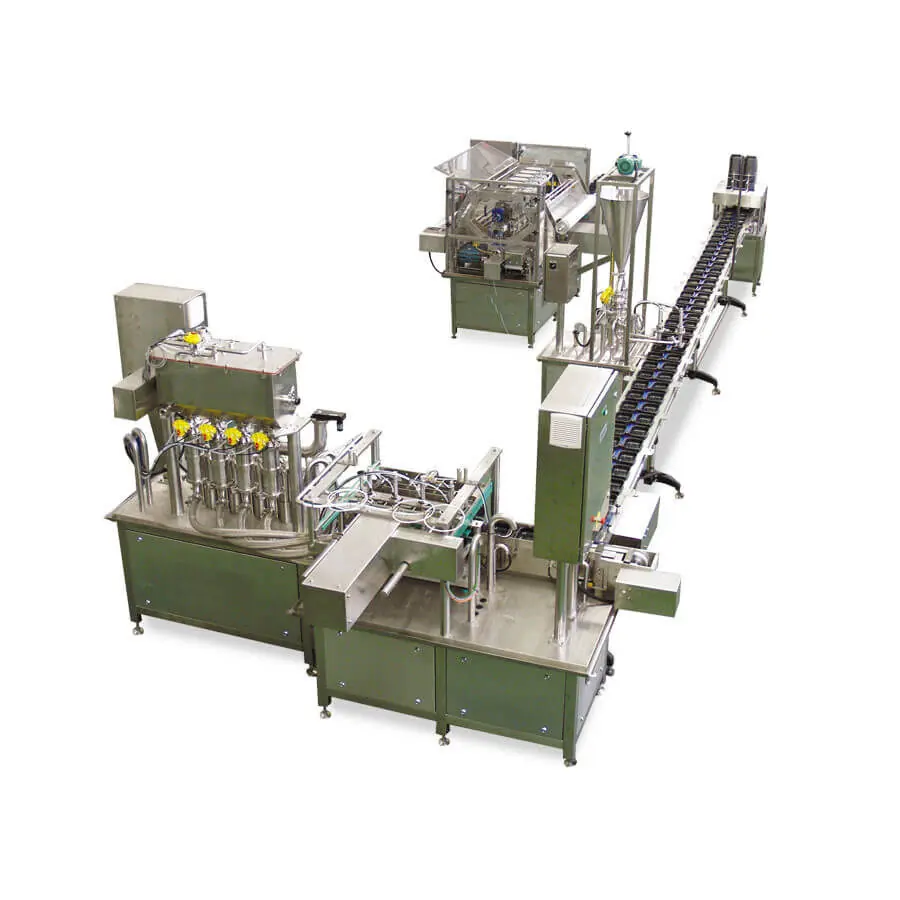
What Is MAP, and When Does a Tray Sealer Need It?
Modified atmosphere packaging can help protect fresh and prepared foods, but it is not necessary for every sealed tray. Compare MAP, skin packaging, labeling and inspection around the needs of your product and line.
More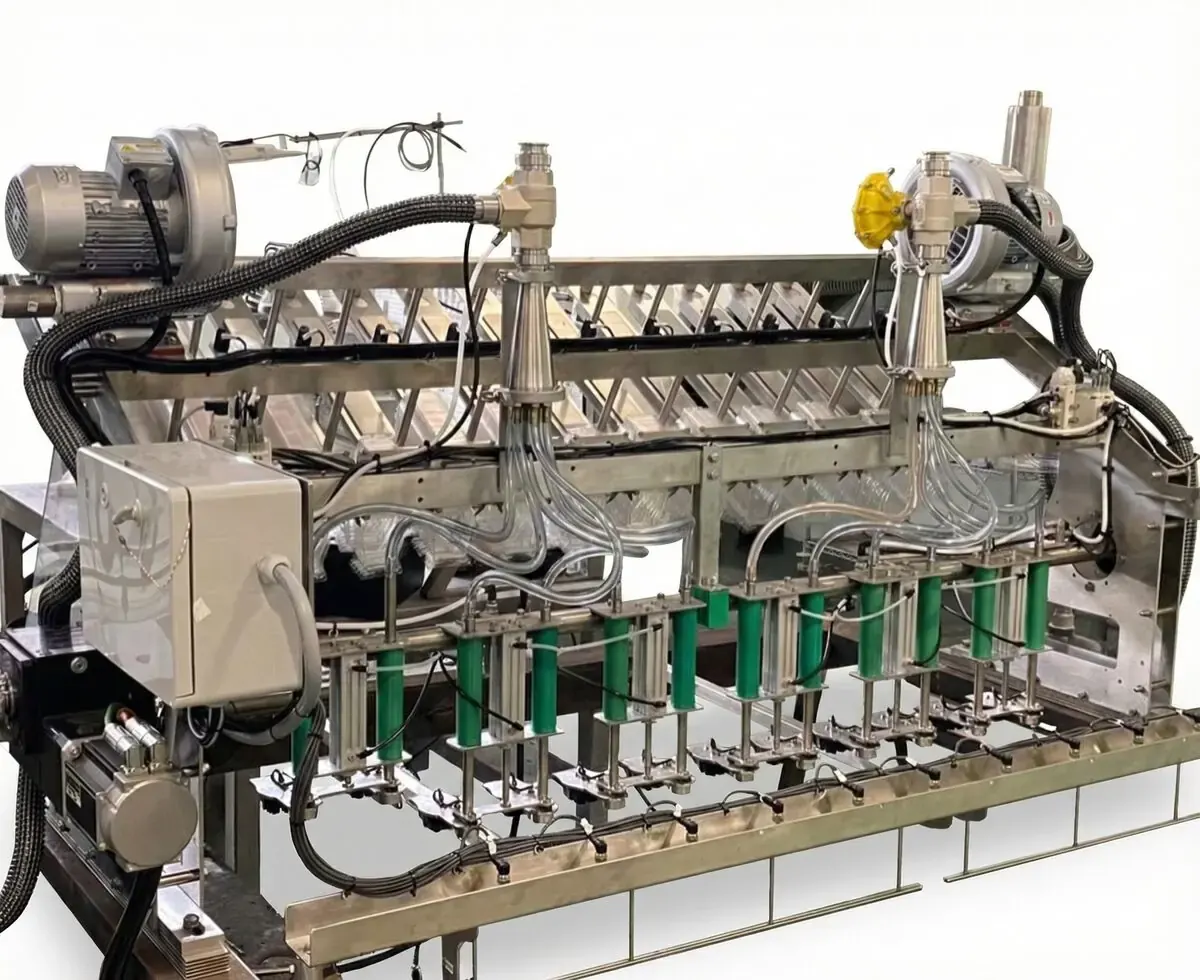
Front Line Systems: Engineer the Product Flow Before Selecting Equipment
Reliable front line packaging starts with understanding how products, containers and operators interact. Use actual operating conditions to define equipment requirements and test the complete process.
More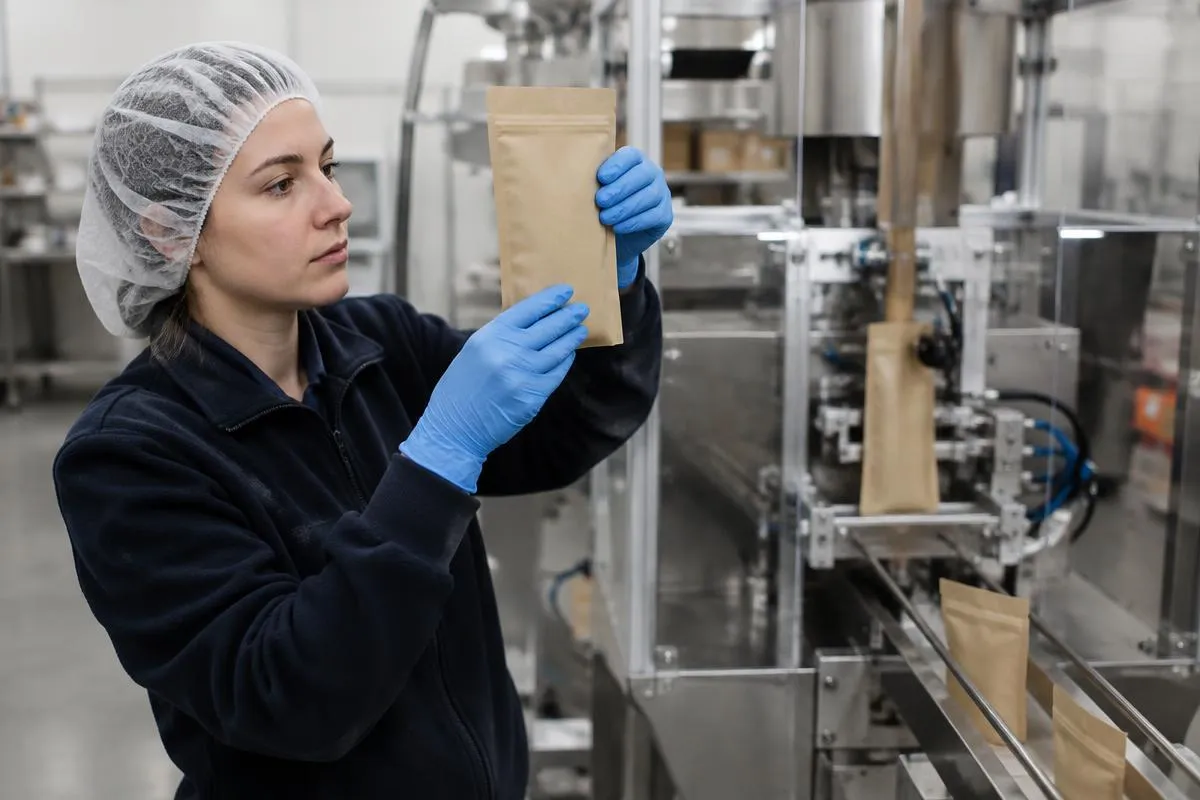
How to Select a Premade Pouch Filling and Sealing Machine for Your Product
Start with your product, pouch style and required output, then work through filling, inspection and case packing. The right choice depends on how those decisions work together.
More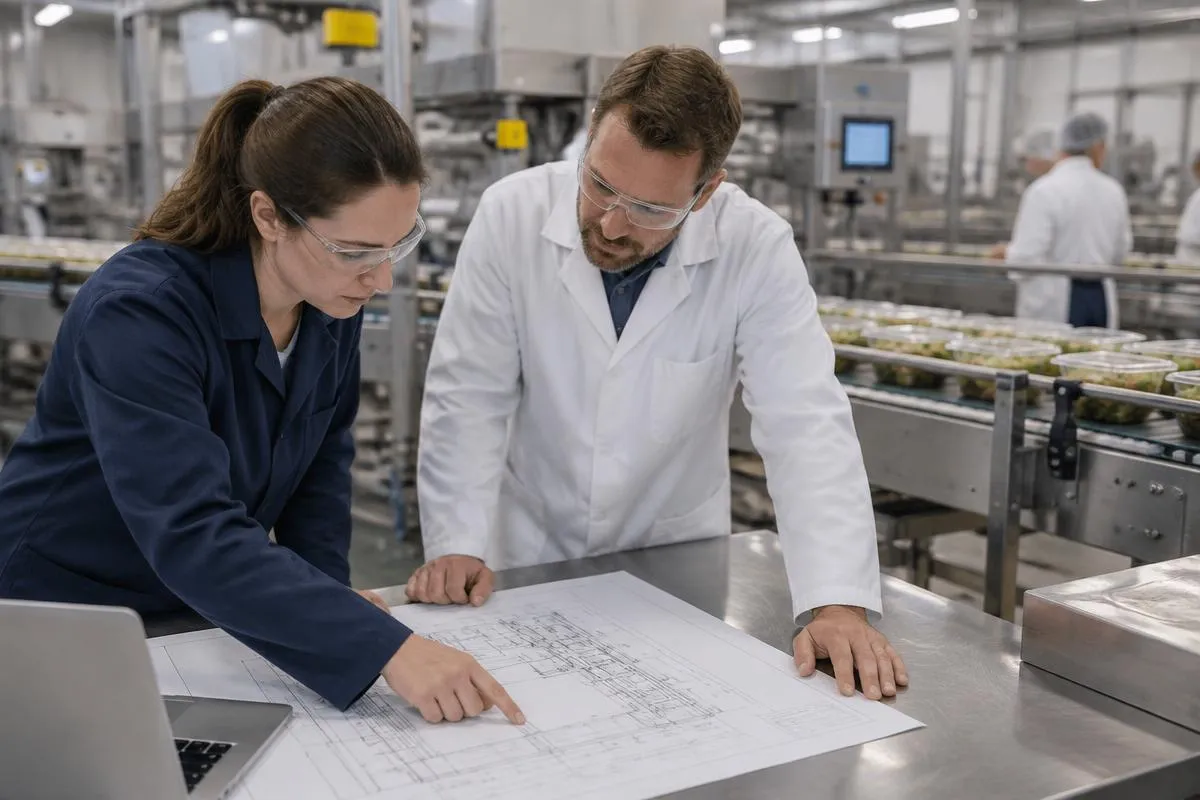
Planning a Complete Packaging Line Around Real Production Conditions
A complete packaging line must work as a connected system, not just a collection of capable machines. Good planning starts with product behavior, operating constraints and clearly defined handoffs.
More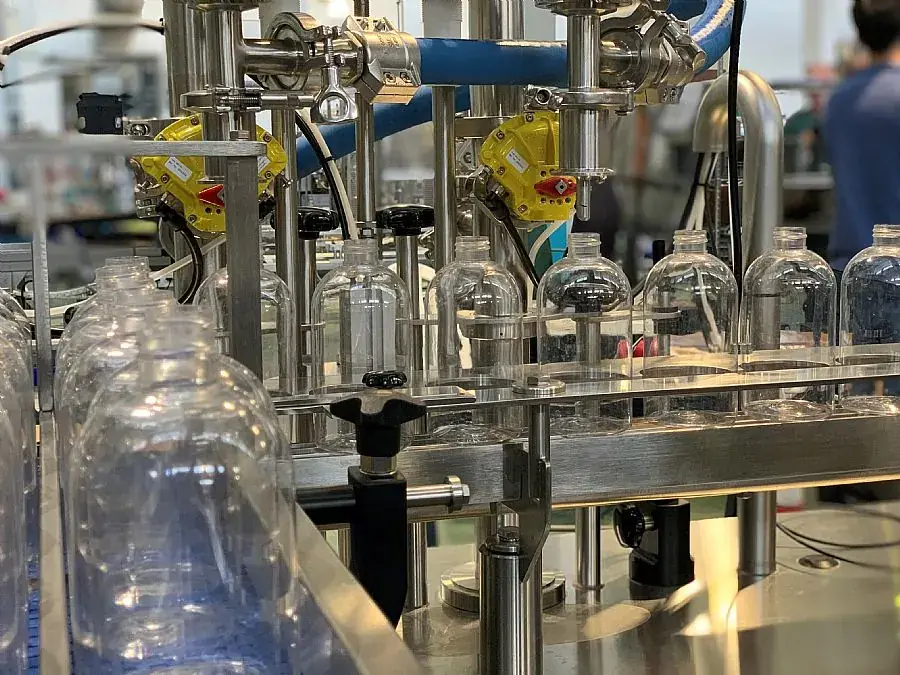
How to Specify a Filling System Around Real Production Conditions
A filling system should be evaluated against the product, container and operating conditions it will actually encounter. Use these engineering checks to define requirements and avoid problems during startup.
More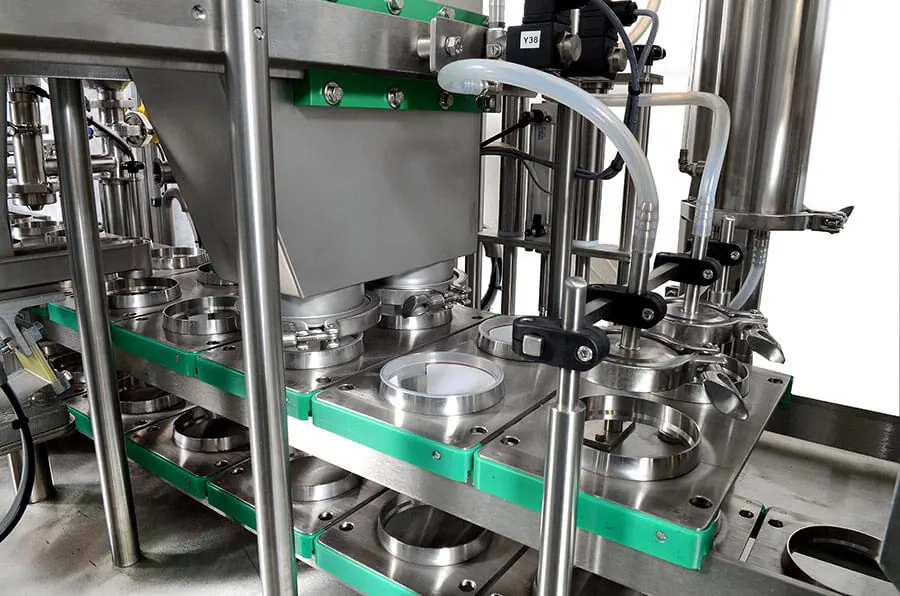
Cup Filling and Sealing: Engineering the Process Around Your Product
Reliable cup filling and sealing starts with the interaction between product, package and process. Evaluate those interfaces before comparing machine layouts or output claims.
More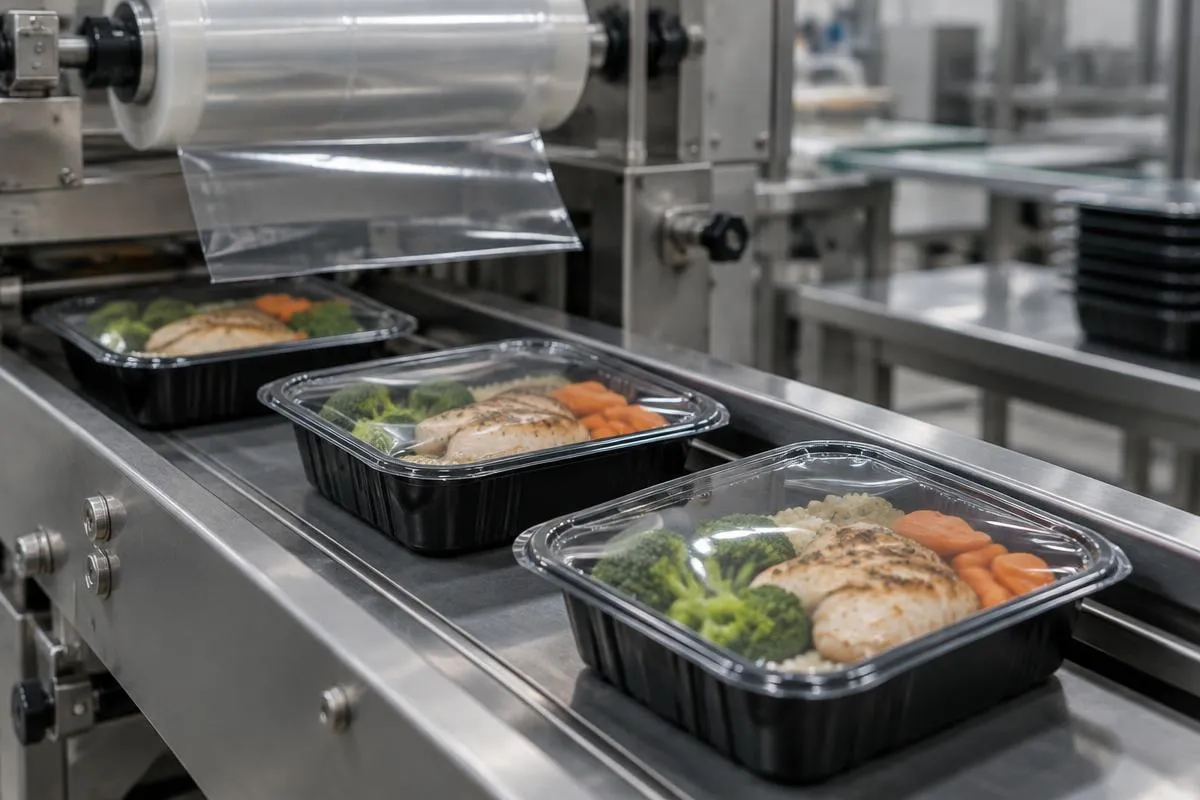
Tray Sealing and MAP: Engineering the Package Before Specifying the Machine
Reliable tray sealing starts with the product, package materials and operating conditions. Use these engineering checks to evaluate modified atmosphere packaging and avoid problems that machine selection alone cannot solve.
More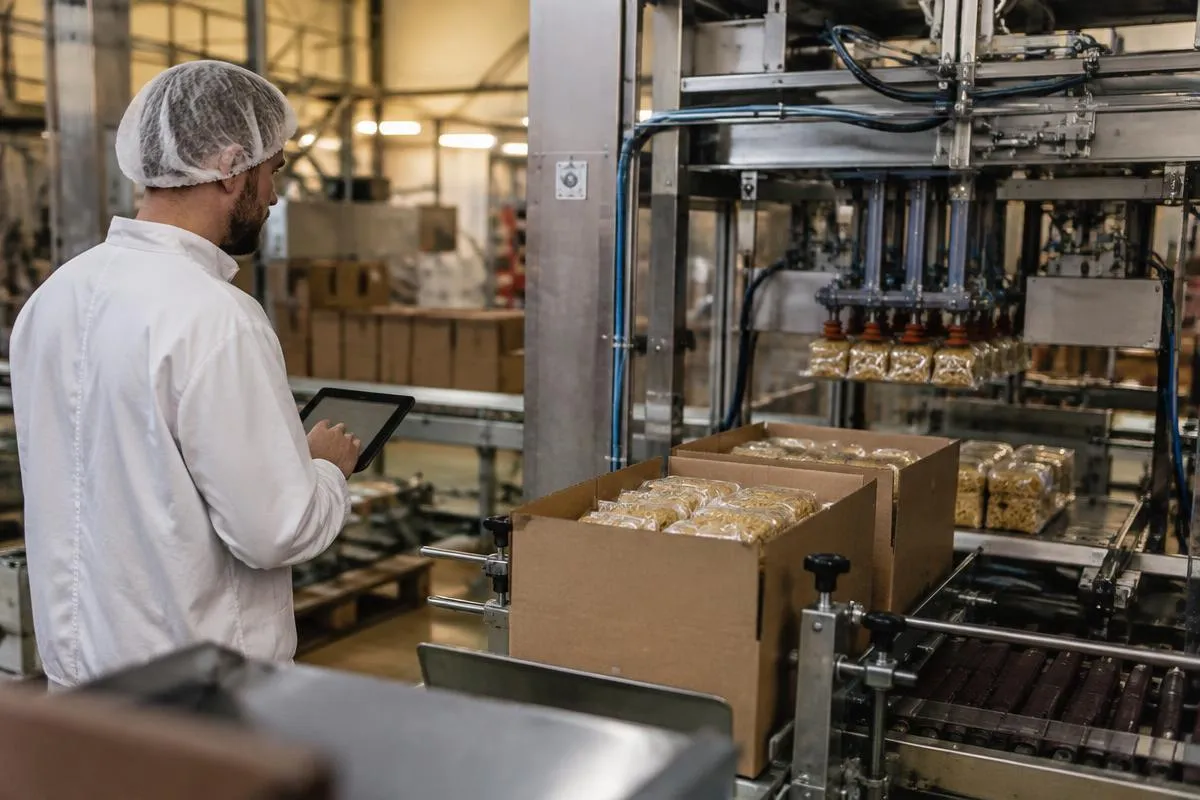
How to Evaluate a Case Packing System for Real Plant Conditions
A case packer should be evaluated against the products, packaging materials and operating conditions it will actually encounter. Start with the difficult combinations, then work through integration, recovery and acceptance testing.
More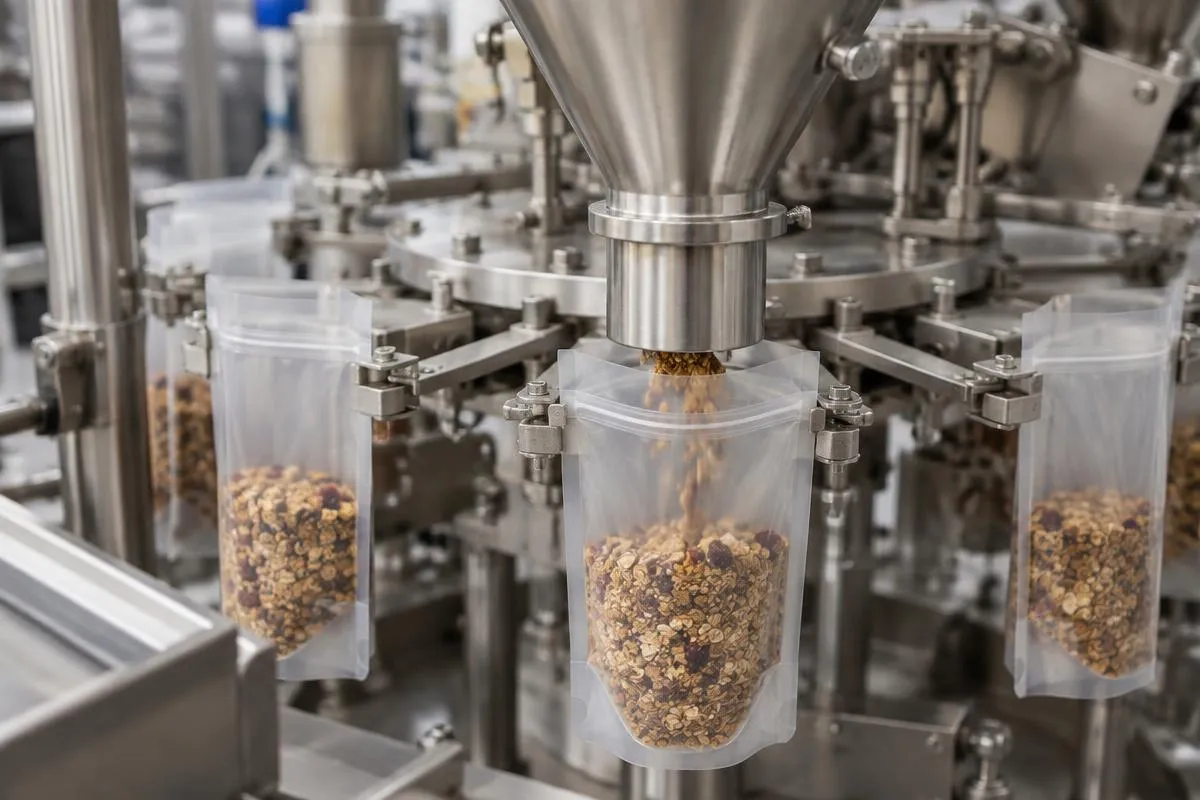
Premade Pouch Packaging: Engineering a Process That Runs Reliably
A successful premade pouch installation starts with the package, product and operating conditions, not the machine alone. Use these engineering checks to define requirements and avoid preventable production problems.
More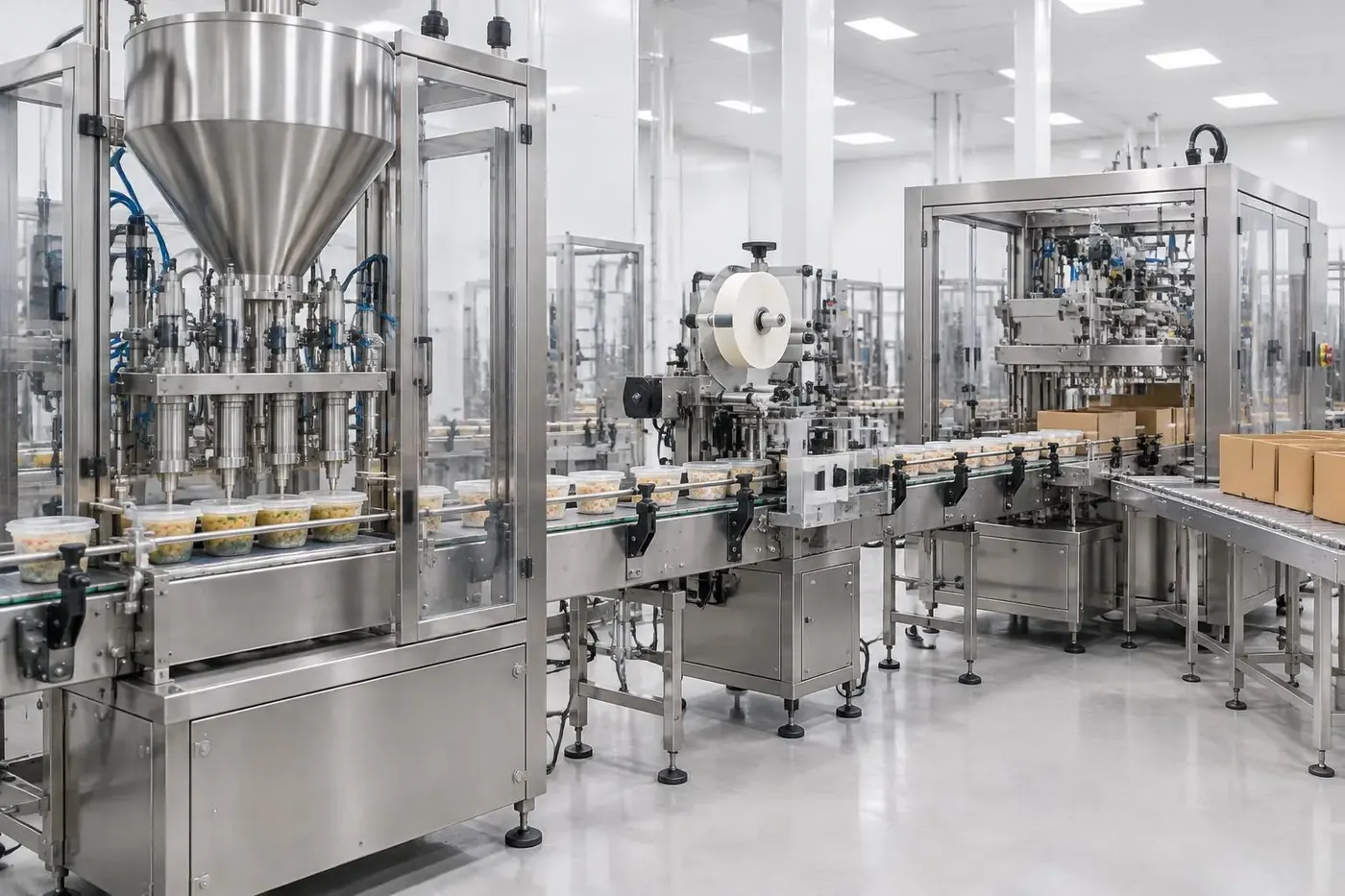
Why an 80-Unit/Minute Packaging Line Often Runs Slower in Production
Nameplate speed is not saleable production output. Diagnose bottlenecks, small stops, changeovers, accumulation and line balancing before buying a faster machine.
More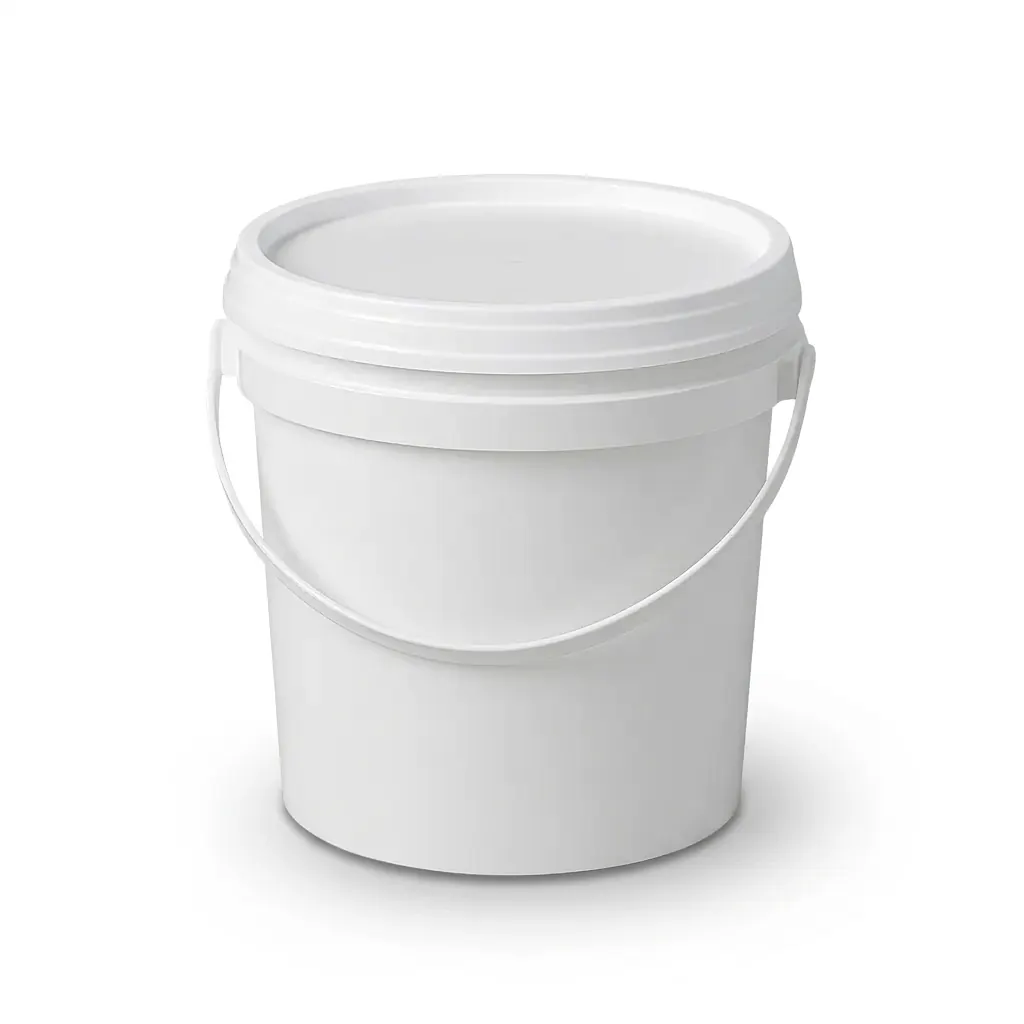
Bucket and Pail Filling Machines: A Practical Buyer Guide
Bucket and pail filling lines separate and position containers, dose the product, then place and press lids or apply a film seal and overcap. Here is how to scope one around your product and pack.
More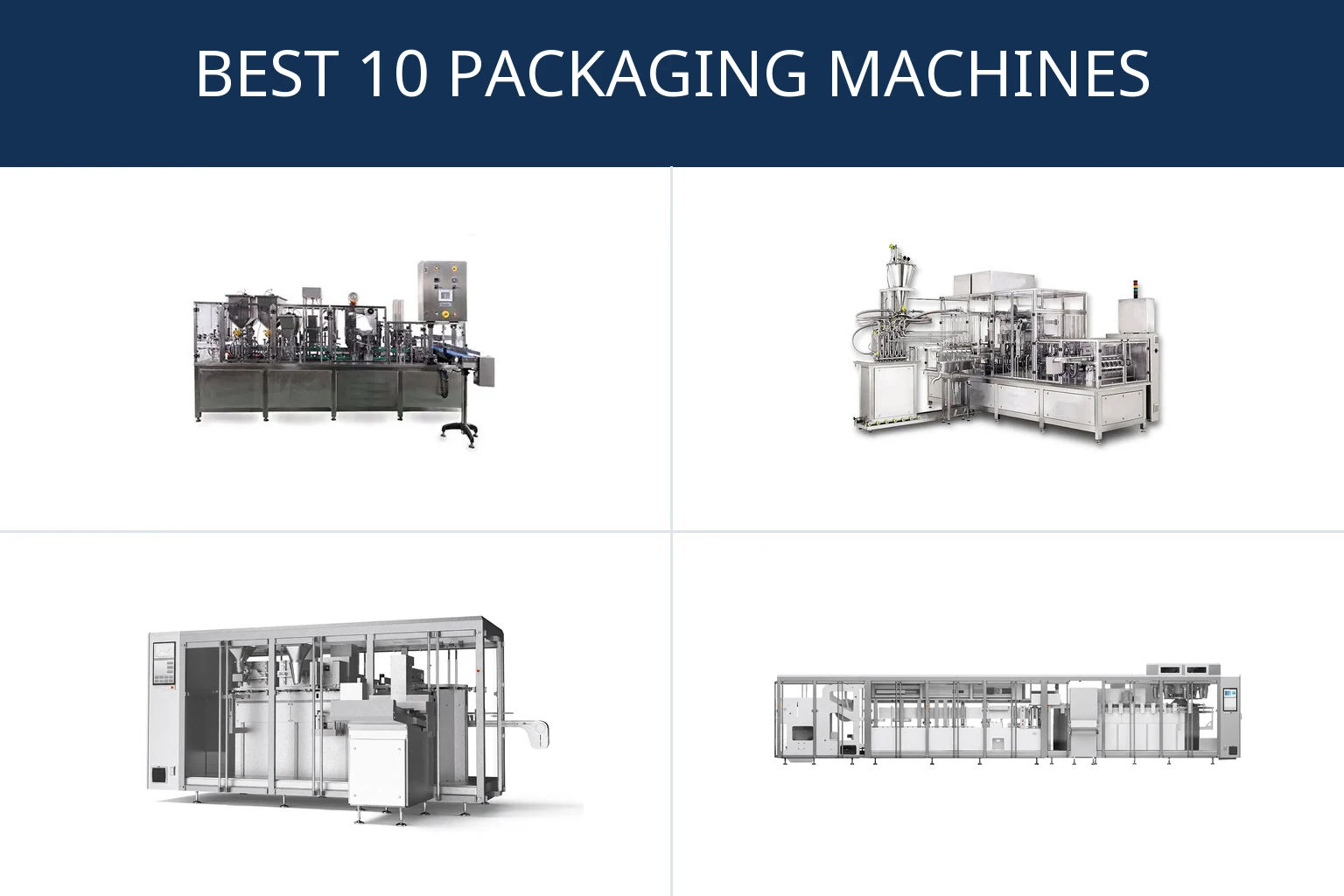
The 10 Best Packaging Machines to Buy for Your Application
The best machine depends on your product, pack and daily production plan. Compare ten practical choices for cups, pouches, bottles, trays and cases.
MorePremade Pouch or Horizontal Form Fill Seal: How to Choose
A practical look at when a premade pouch system makes sense, when HFFS fits better, and what details should be tested before a final choice.
More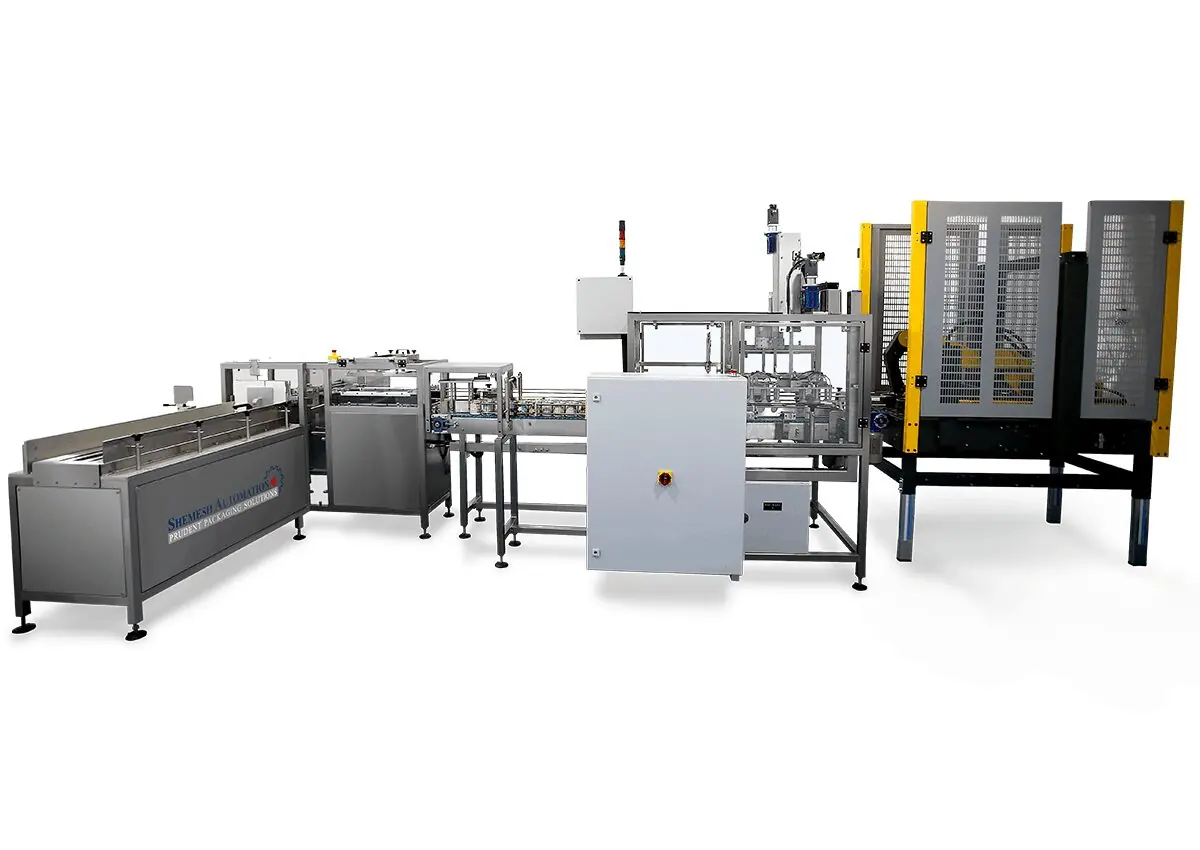
Why Case Packing Can Be the Smart End of Line Upgrade
Case packing is often where labor, product handling and shipping consistency meet. Automating that step can make the rest of the line easier to control.
More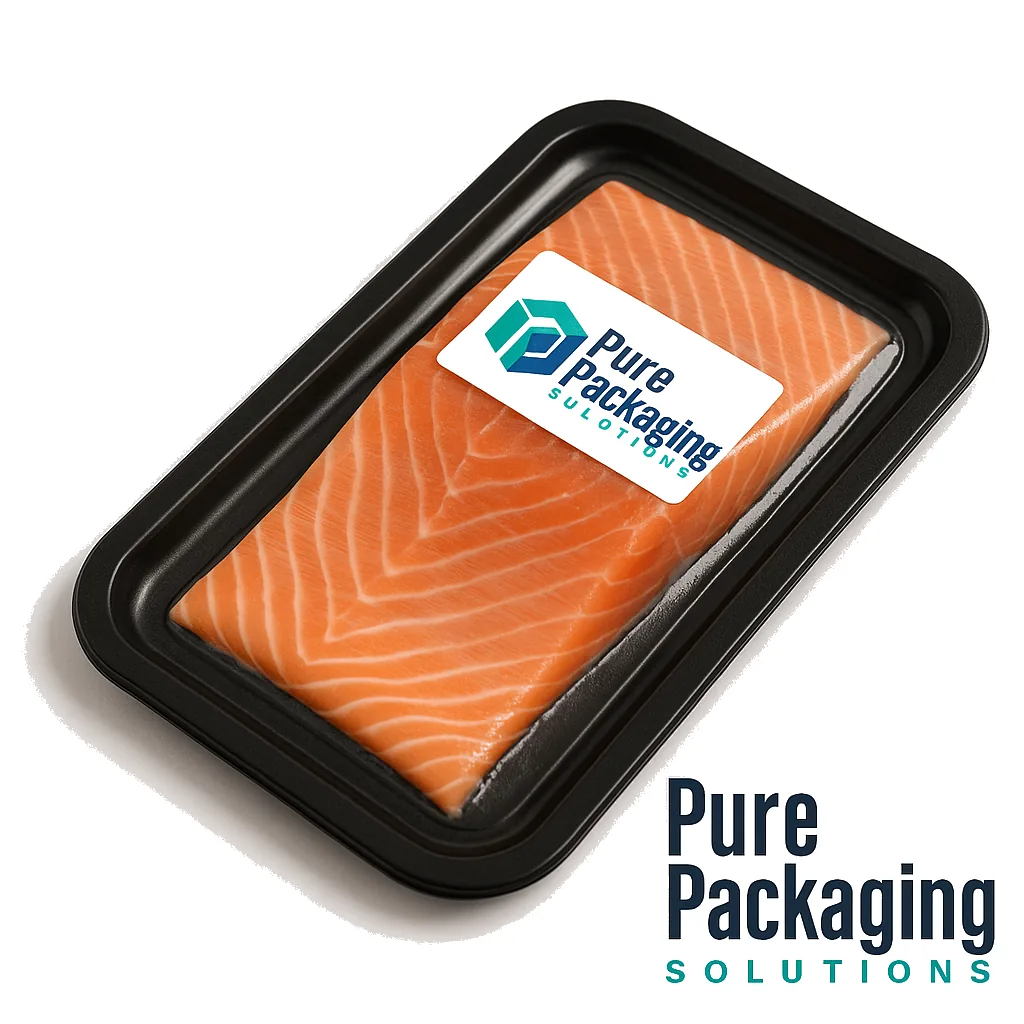
Tray Sealing for Ready Meals, Proteins and MAP Packs
Tray sealing projects succeed when tooling, film, gas flushing, loading and inspection are planned as one connected packaging section.
MoreCup Filling and Sealing: A Practical Buyer Guide
Cup filling projects need a clear view of product texture, cup handling, sealing method, sanitation and future format changes.
More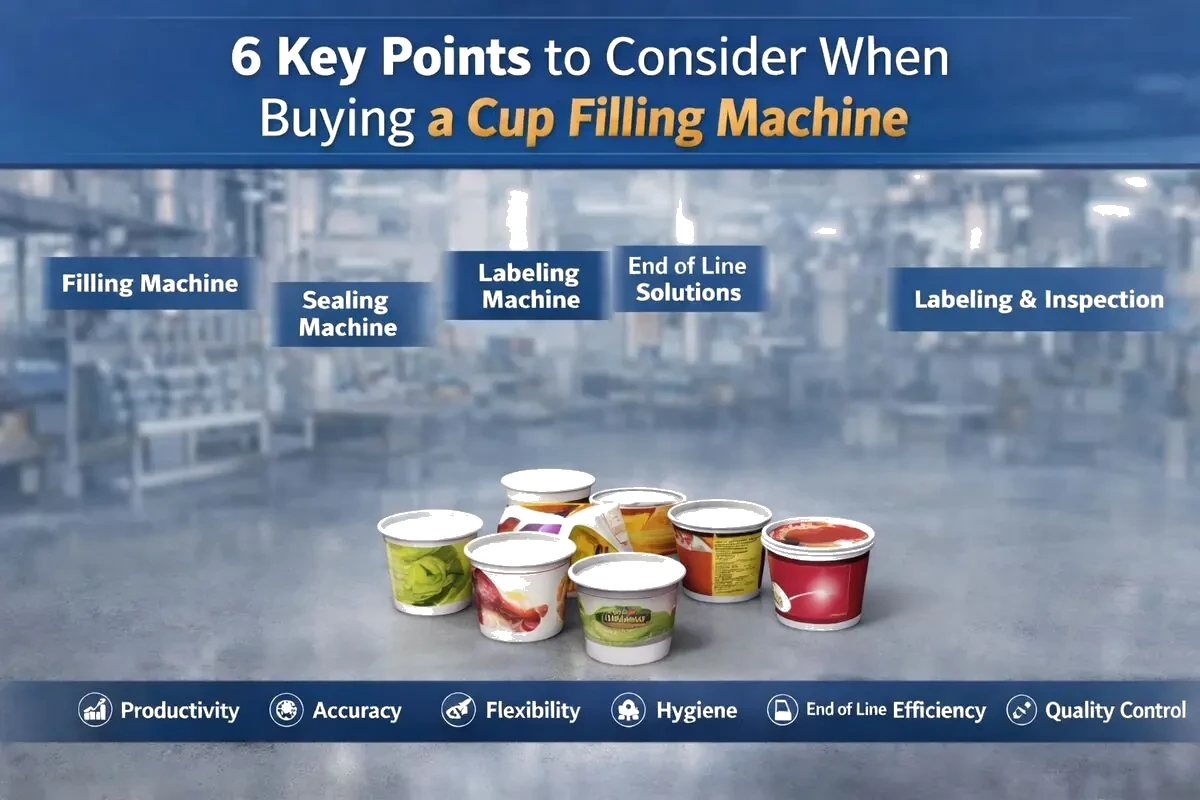
Reliable Cup Filling Machines Begin With Simple Engineering Choices
Reliability comes from access, clean motion, durable construction, operator visibility and a layout that matches the real production schedule.
More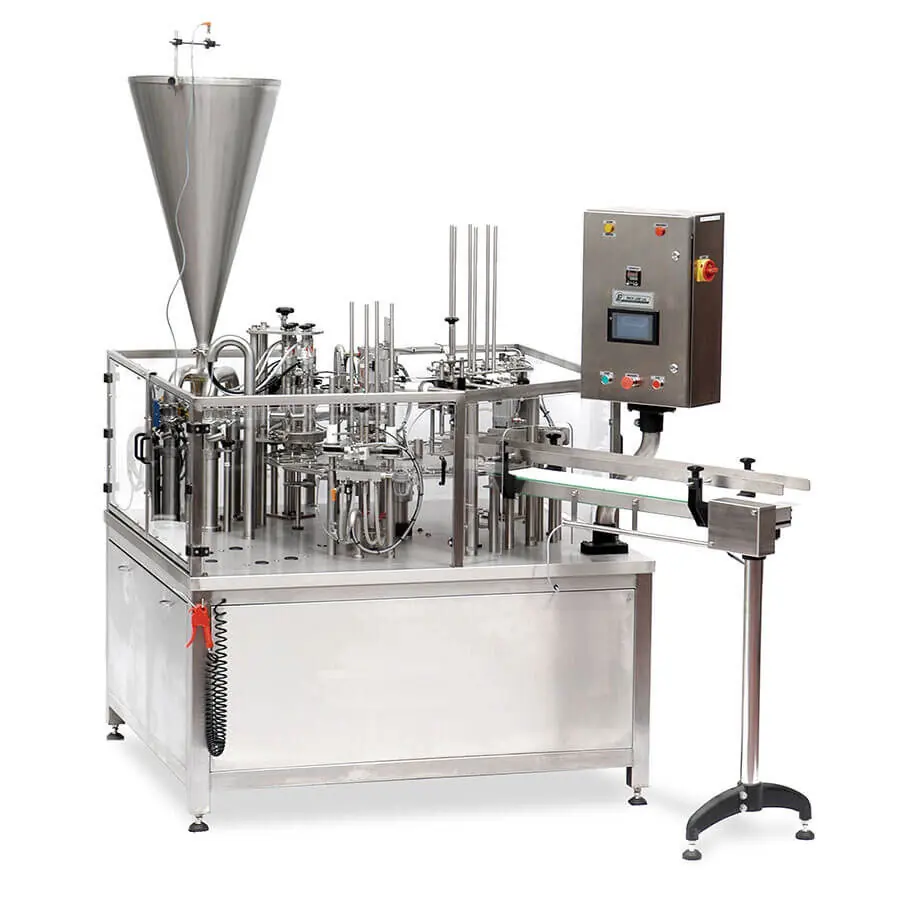
Rotary and Inline Cup Filling Machines Compared
Rotary and inline cup fillers can both be effective. The right choice depends on footprint, output, cleaning access, components and changeover needs.
More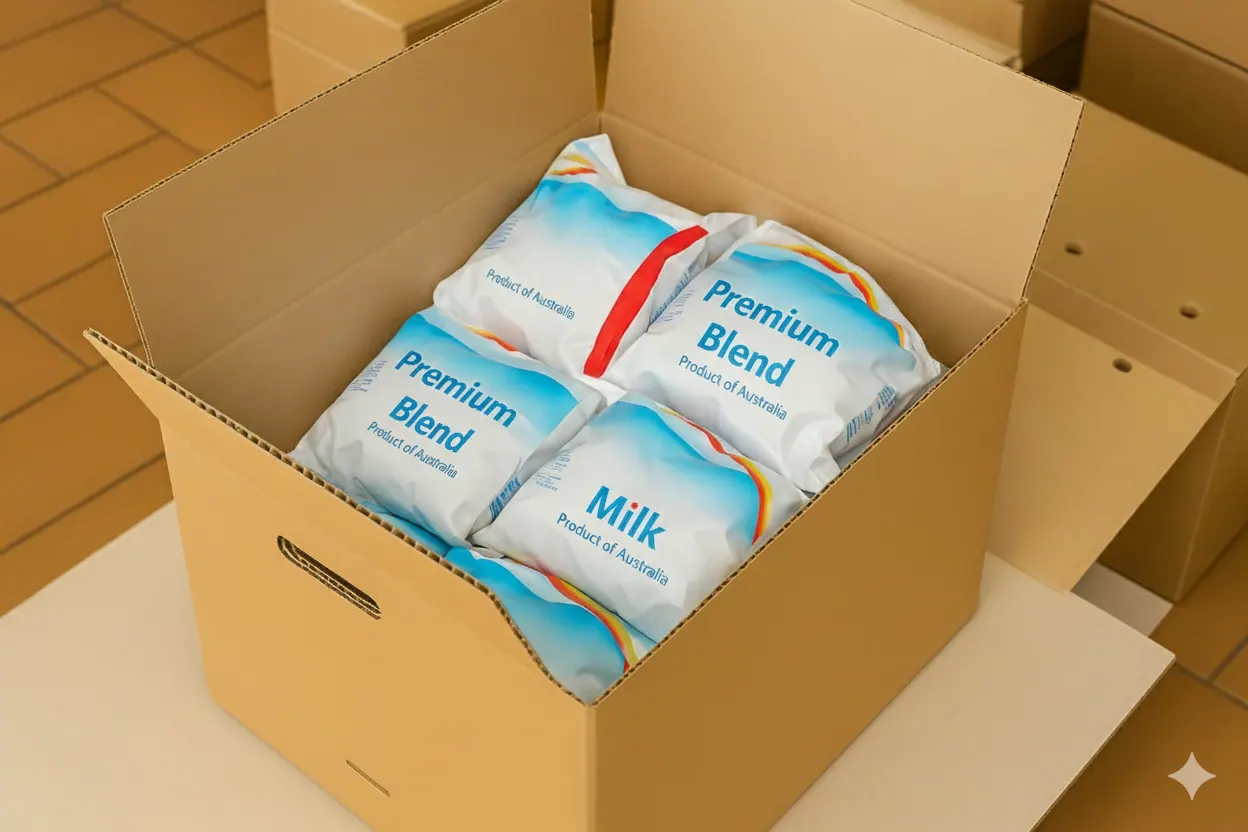
Why Growing Food Producers Are Automating Case Packing
For growing food brands, case packing automation can stabilize labor planning, protect finished packs and prepare the line for higher demand.
MoreTray Sealing Machines Explained for Modern Food Lines
A tray sealer is only one part of the line. Tray supply, loading, sealing, gas control, coding and inspection all shape the result.
More
Choosing a Cup Filling and Sealing Machine for a Food Business
The best cup filling machine is the one that matches product texture, cup quality, sanitation, staffing and future SKUs.
More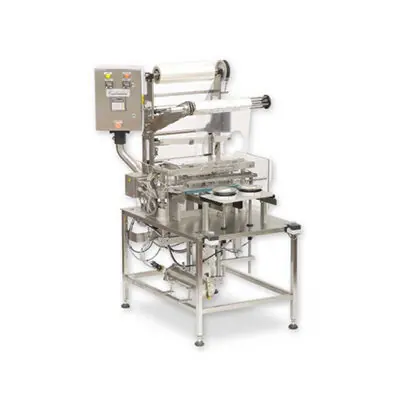
Filling Machine Types and Where They Fit
Different filling methods solve different product challenges. The right choice depends on viscosity, particles, target weight, sanitation and package format.
MoreHow Automation Is Changing Packaging Lines
Modern packaging automation is less about one fast machine and more about connected line sections that move product with fewer weak points.
More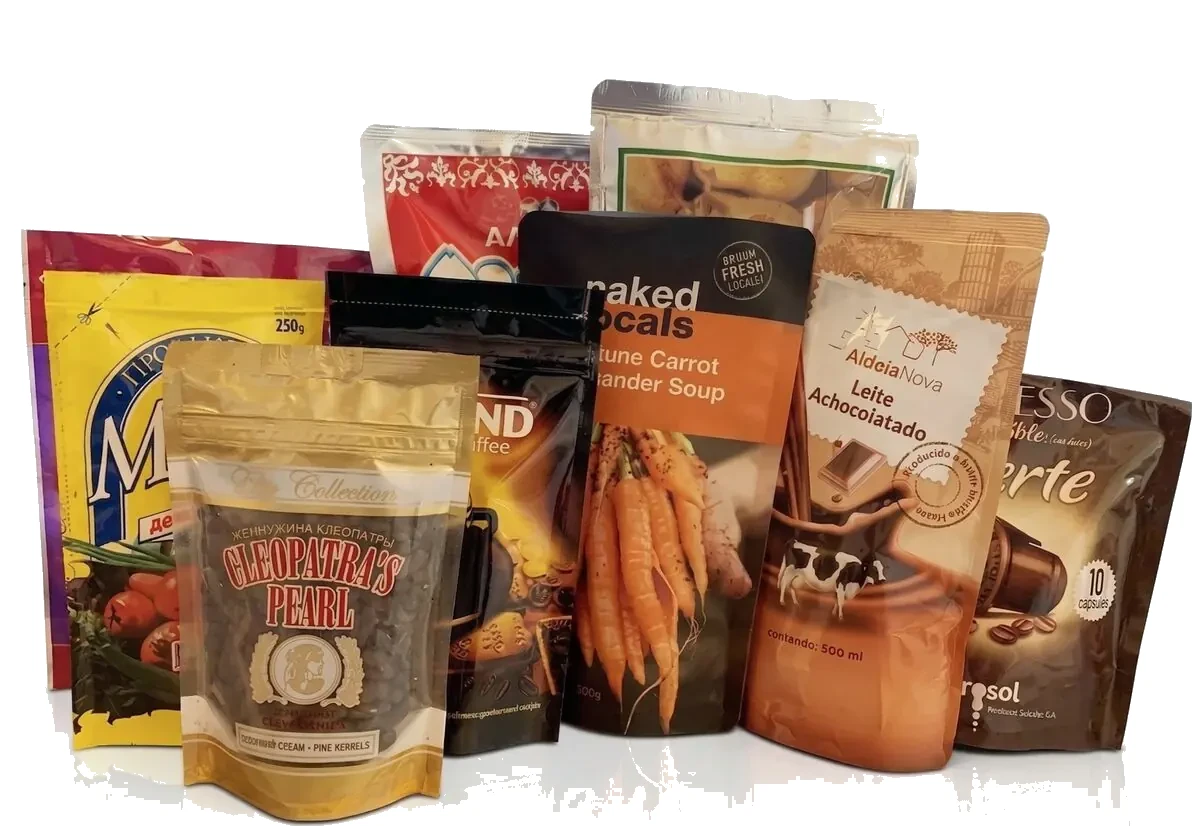
Inline Premade Pouch Filling for Multi SKU Production
Inline premade pouch systems can support flexible packaging programs where clean access, fast format changes and repeatable filling are priorities.
More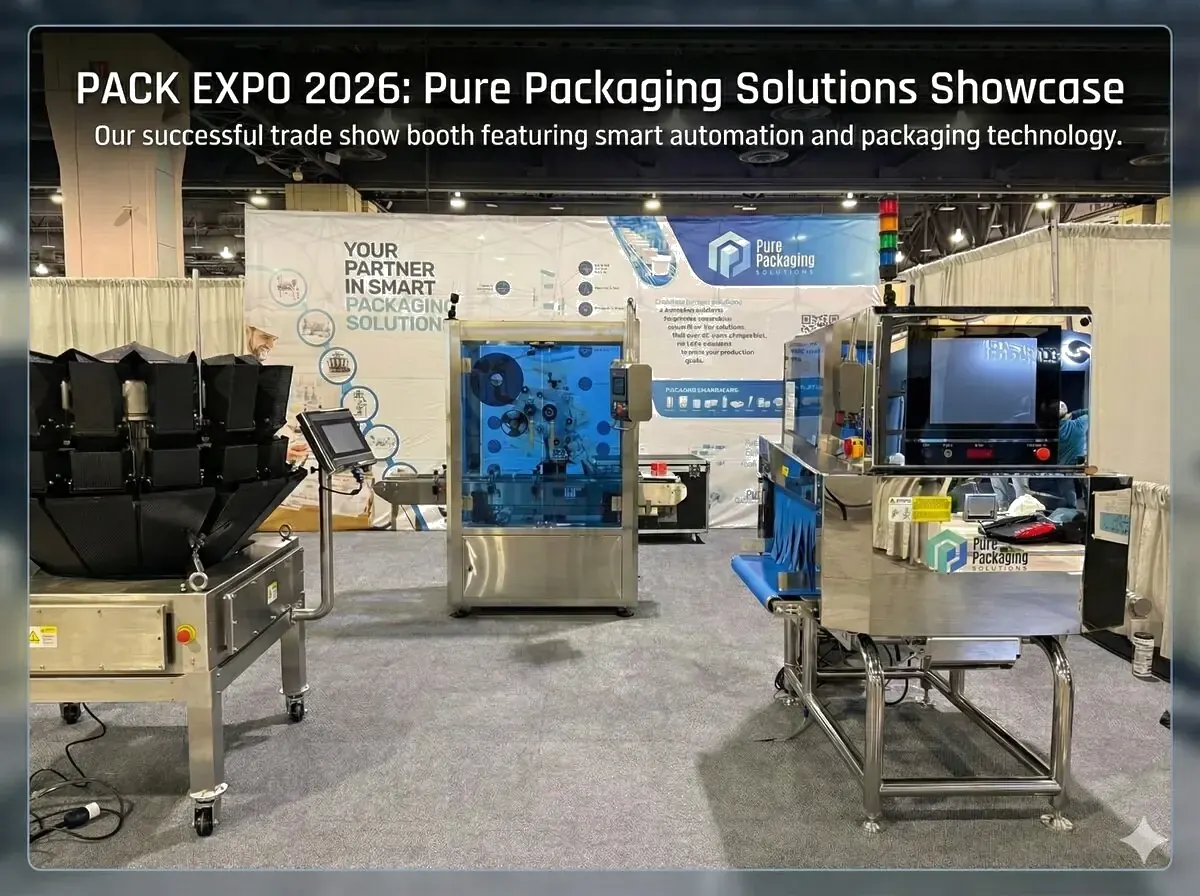
PACK EXPO Lessons for Complete Packaging Lines
Trade show equipment is most useful when visitors look beyond the machine and ask how the full production line will run after installation.
MoreWhy Packaging Machines Struggle in Real Plants
Most packaging line problems are not mysterious. They often trace back to product behavior, weak specifications or missed handoffs between machines.
More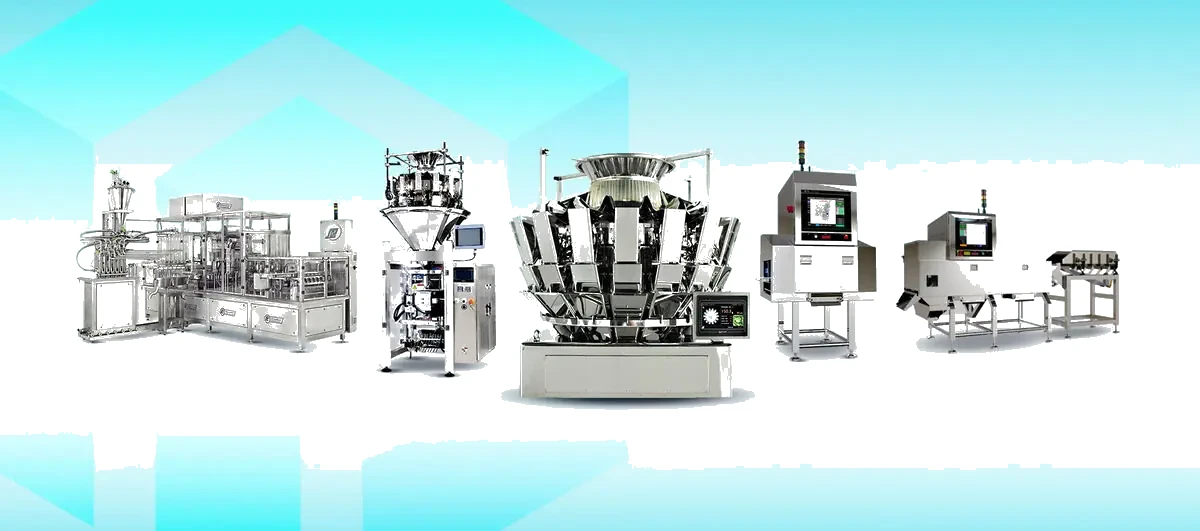
Food Packaging Equipment Guide for Modern Manufacturers
Food packaging equipment choices should connect product safety, package presentation, sanitation, throughput and downstream handling.
More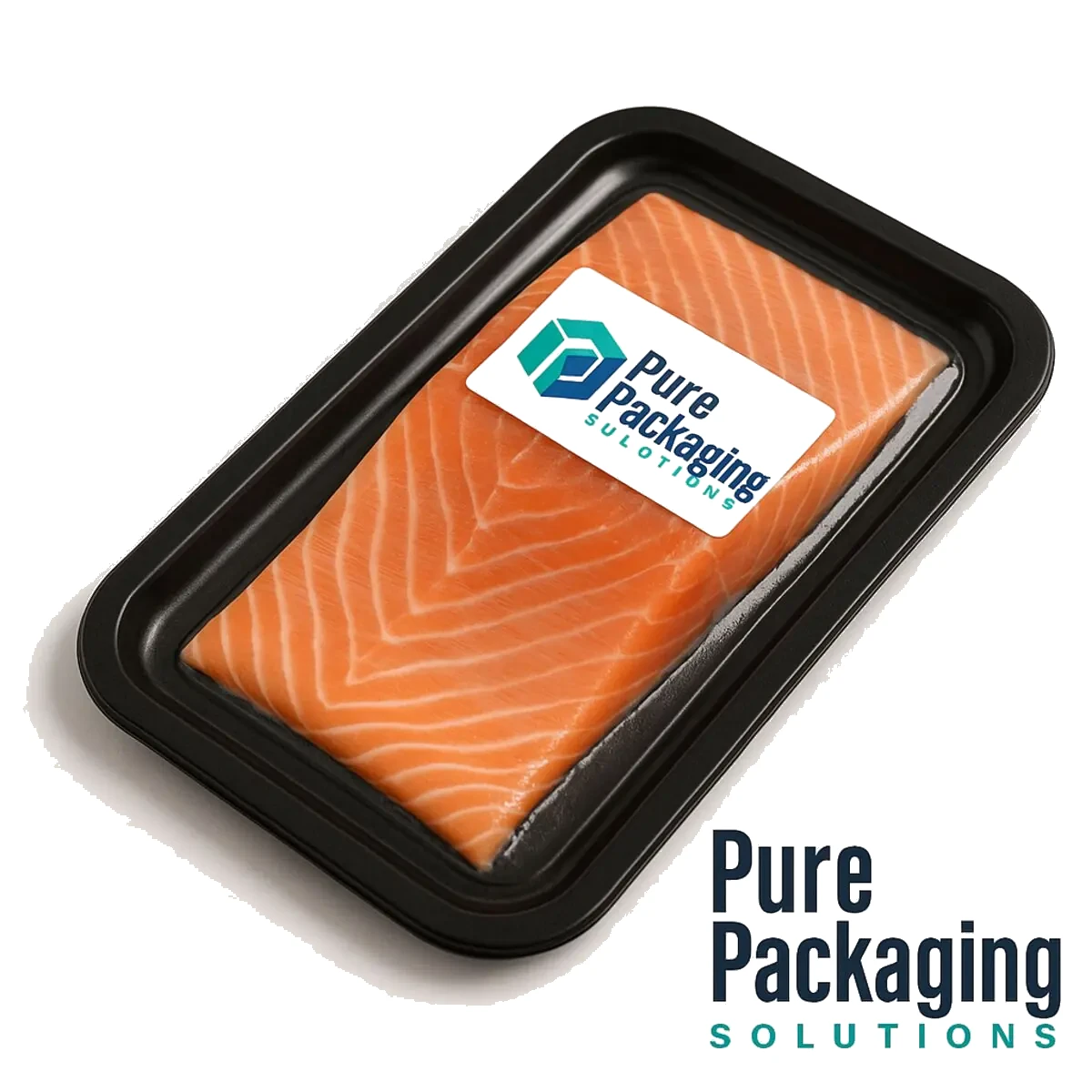
Vacuum Skin Packaging and When It Fits
Skin pack style tray sealing can protect presentation and help hold product position when the product and materials support the format.
MoreDenesting Units Set the Tempo for Packaging Lines
Denesting is a small line section with a large effect. Poor container separation can limit everything that follows.
More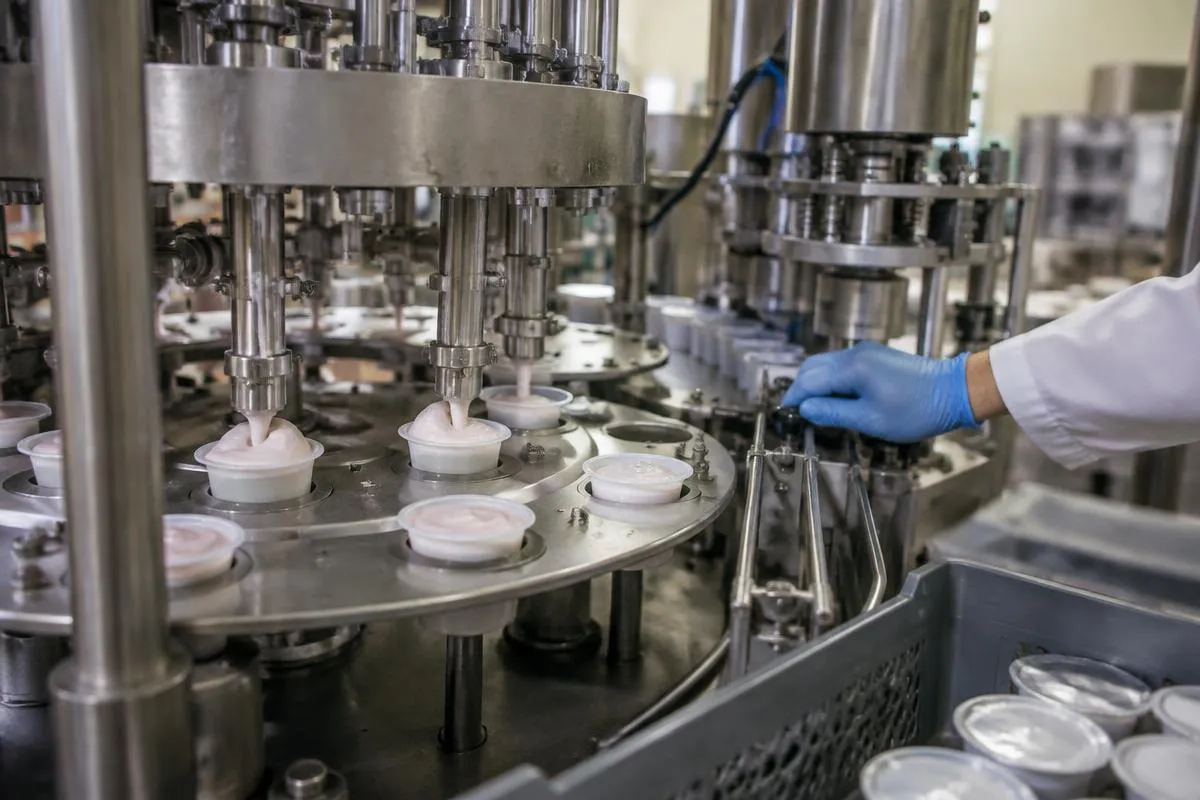
Six Questions Before Buying a Cup Filling Machine
Before choosing a cup filler, answer six practical questions about product, cups, sanitation, changeover, inspection and downstream handling.
More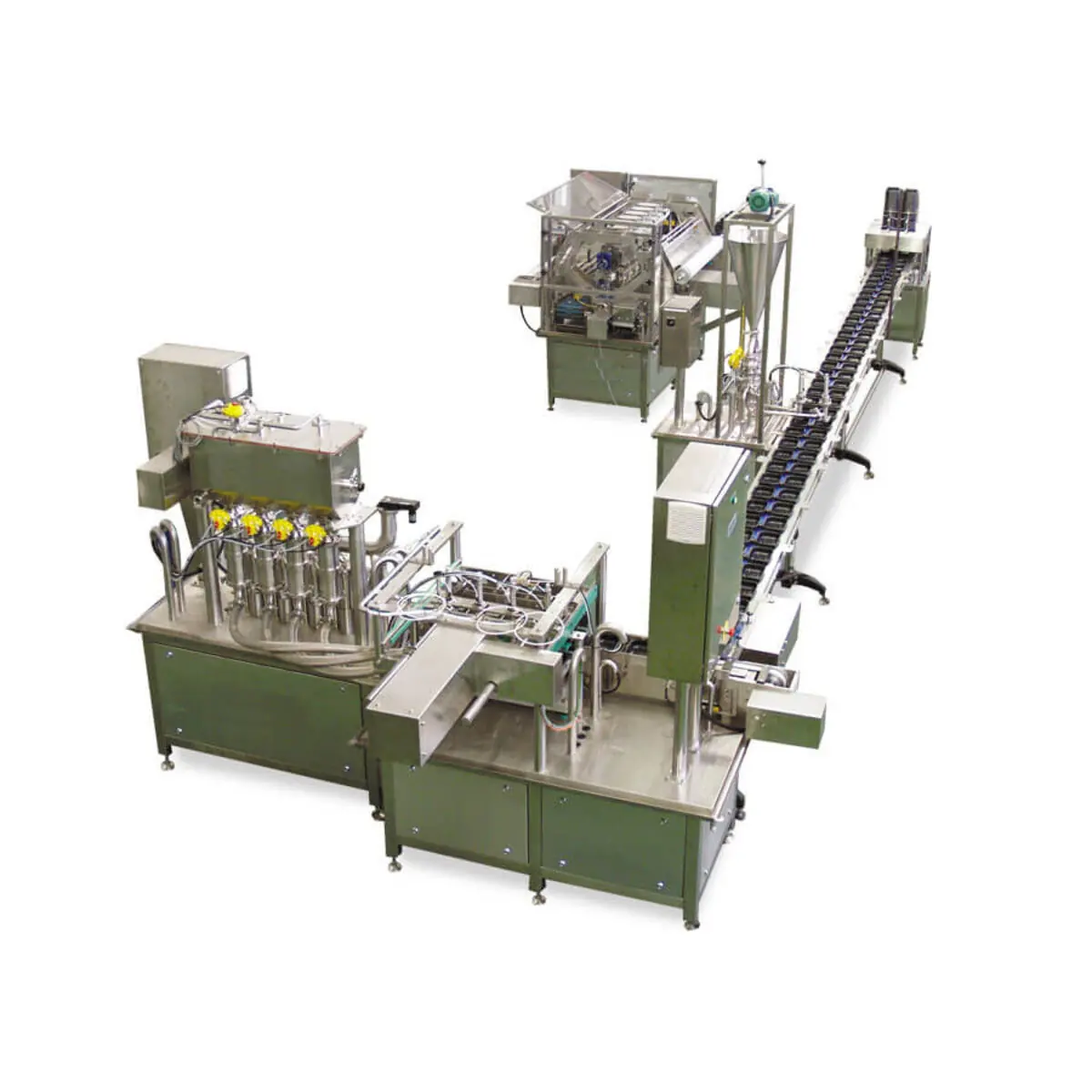
Extending Shelf Life With MAP Tray Sealers
MAP tray sealing can support shelf life goals when the tray, film, gas mix, product handling and seal quality are controlled together.
More
Automatic Labeling Machines and Brand Accuracy
Labeling automation helps protect package appearance, code placement and compliance details when it is matched to the container and line speed.
MoreClamshell Packaging Lines for Produce, Bakery and Deli
Clamshell packaging works best when denesting, loading, closing, labeling and case packing are planned as one section.
More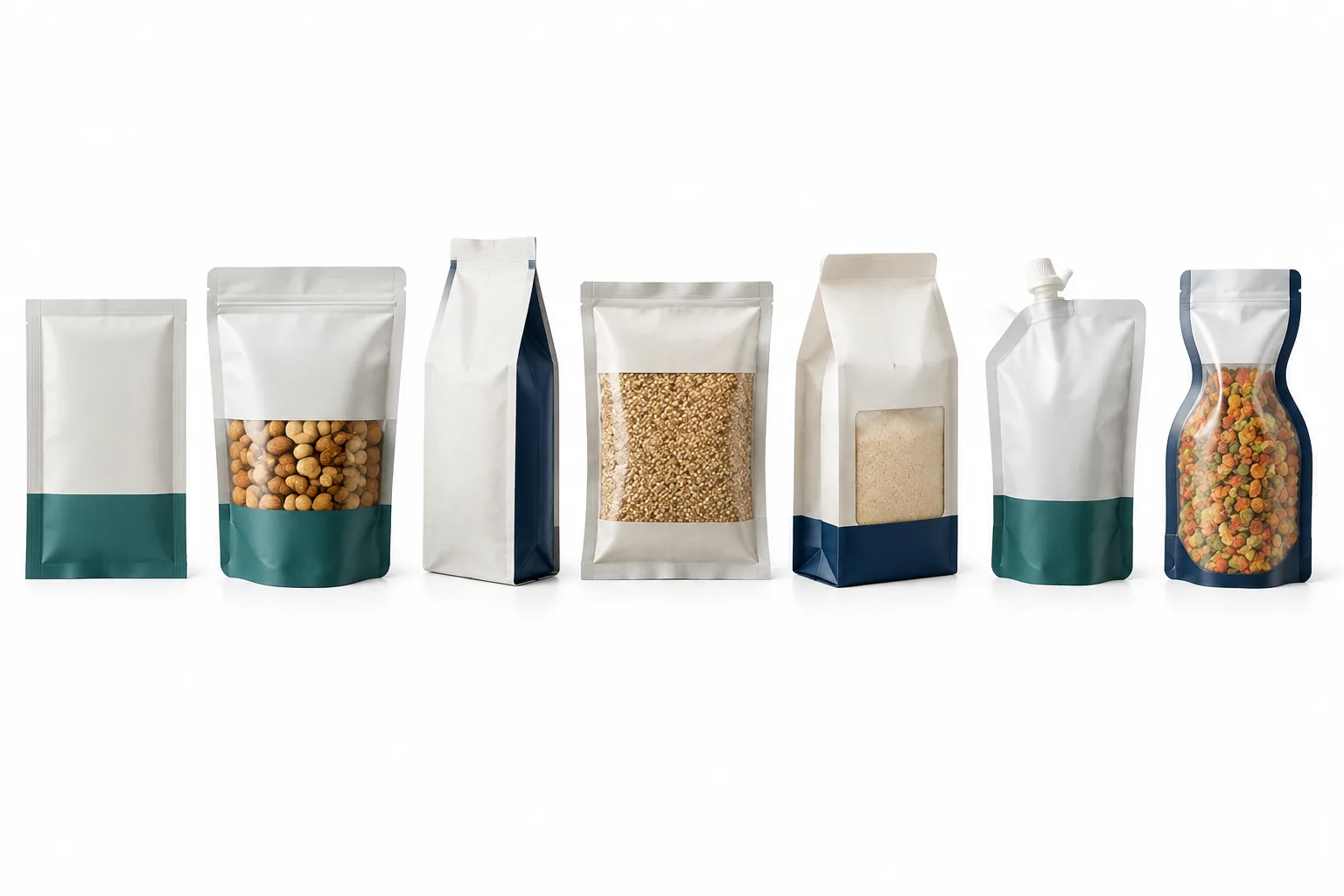
Pouch Filling for Snacks, Pet Food and Specialty Products
Pouch filling can improve flexible packaging output when feeding, dosing, sealing and downstream handling are matched to the product.
More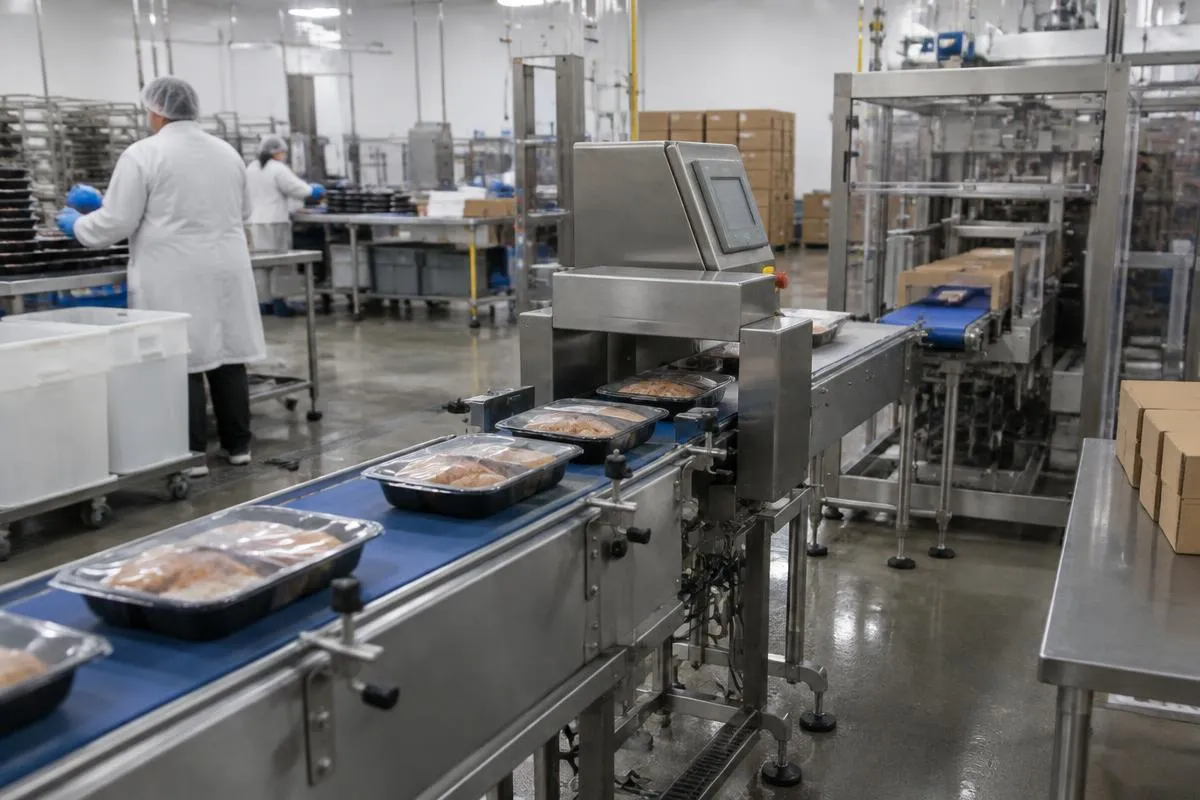
Complete Food Packaging Equipment Guide
A complete food packaging line connects product preparation, filling, sealing, inspection, case packing and palletizing into one workable process.
MoreFAQ
Frequently Asked Questions
Common questions about complete lines, integration, testing and support.
Still have questions? Call 321-393-3688 or send a message.
Ready to start the conversation?
Tell Pure about your product, package and timeline. You'll get a clear, coordinated plan.