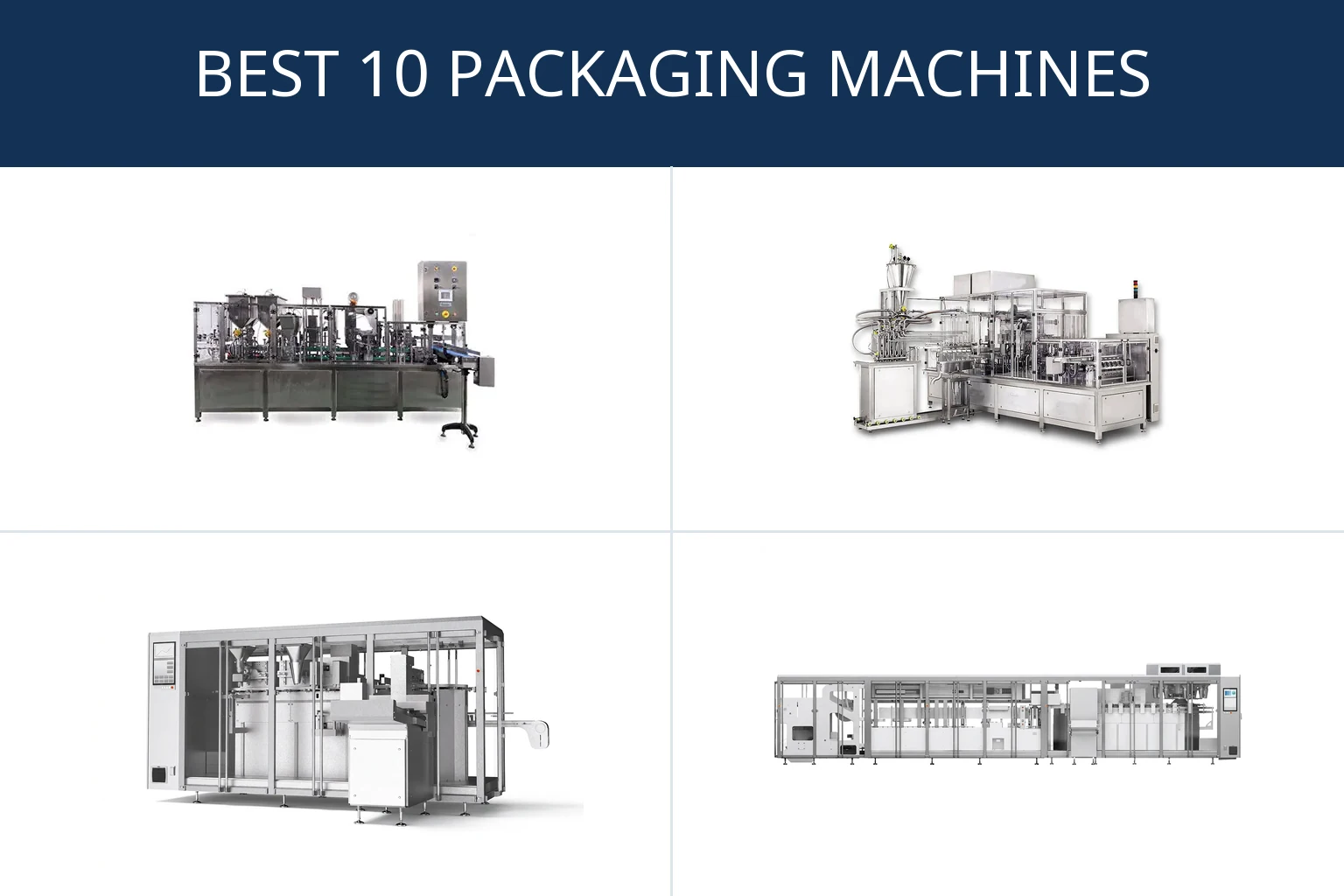
Food lines have to balance several goals
A food package must protect the product, look right on the shelf and move through production without creating sanitation or handling problems.
That balance is why equipment selection should include operations, quality, maintenance and sales needs early in the project.
Primary packaging defines much of the line
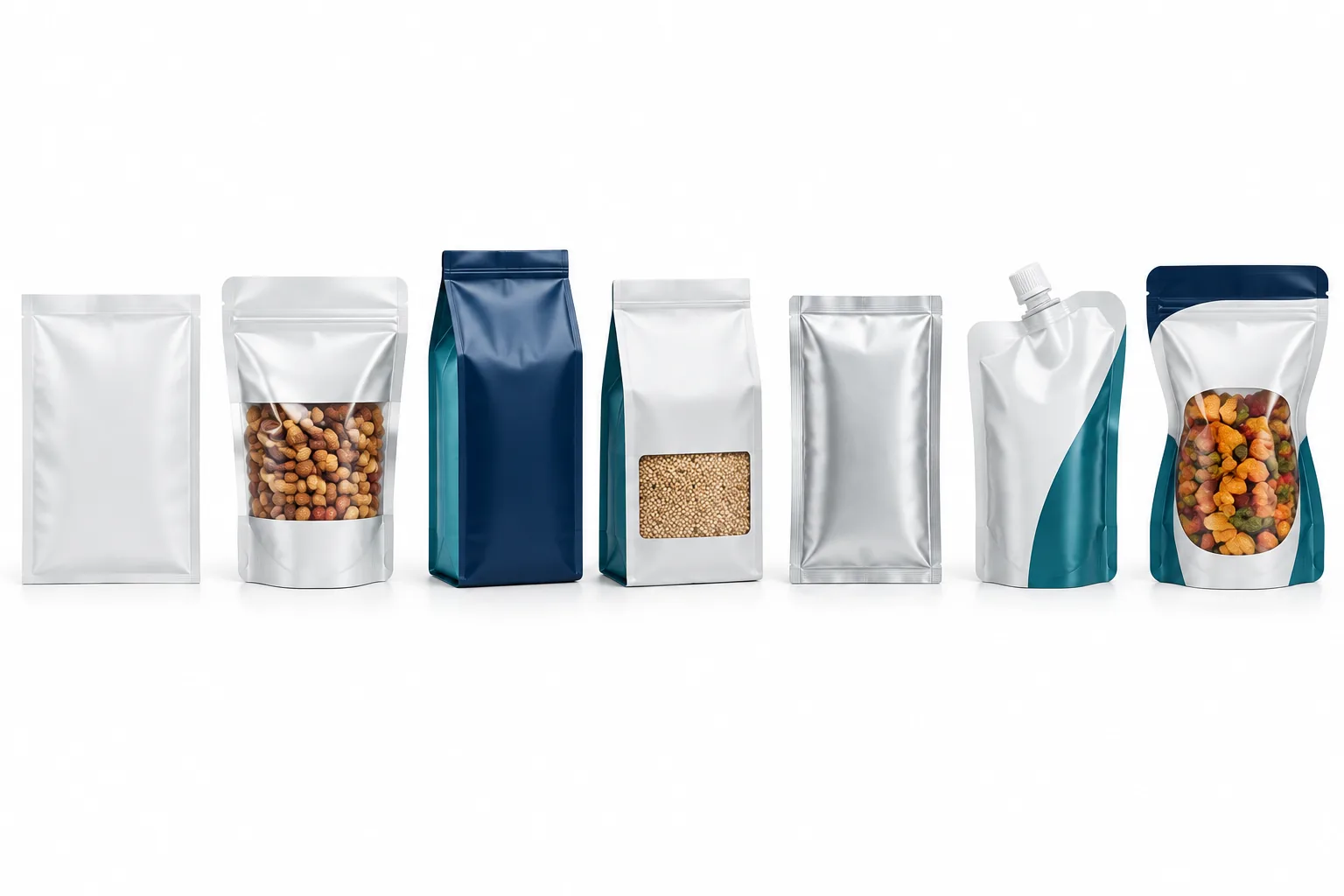
Cups, trays, pouches, jars, bottles, clamshells and bags each need different infeed, filling, sealing and inspection choices. The package format sets the rhythm for many downstream decisions.
Choosing the package and the equipment together helps avoid expensive changes later.
Inspection protects quality and confidence
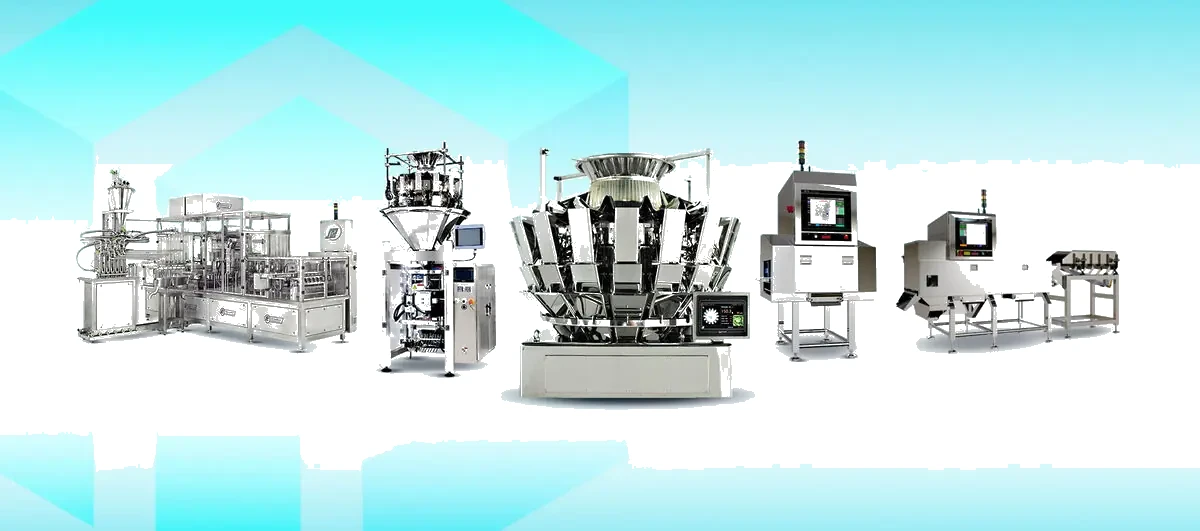
Checkweighers, X ray systems, metal detectors and vision inspection help confirm that finished packages meet expectations before they leave the line.
Reject handling and data visibility should be part of the design, not an afterthought.
End of line planning supports growth
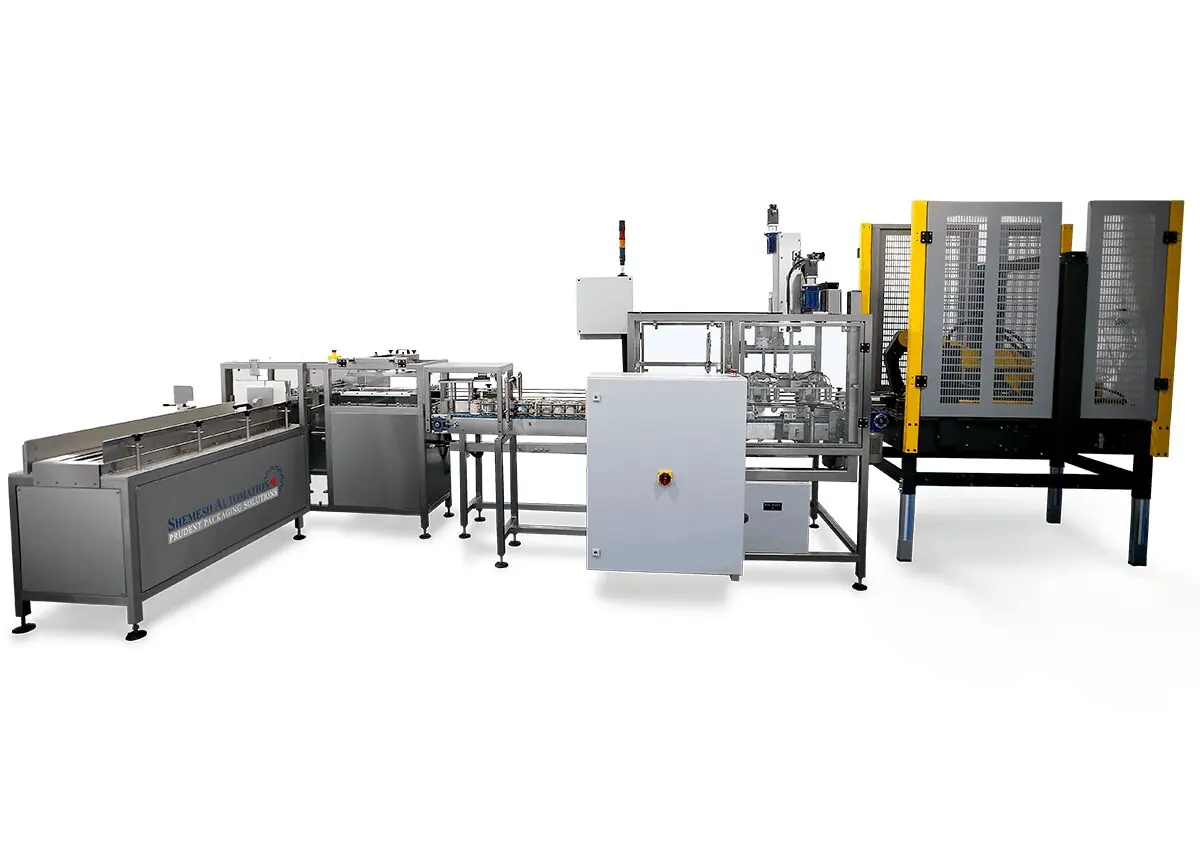
As volume increases, case packing and palletizing can become the point where manual labor limits output. Planning those sections early can keep the full line scalable.
Pure helps food manufacturers connect every section into a practical automation plan.