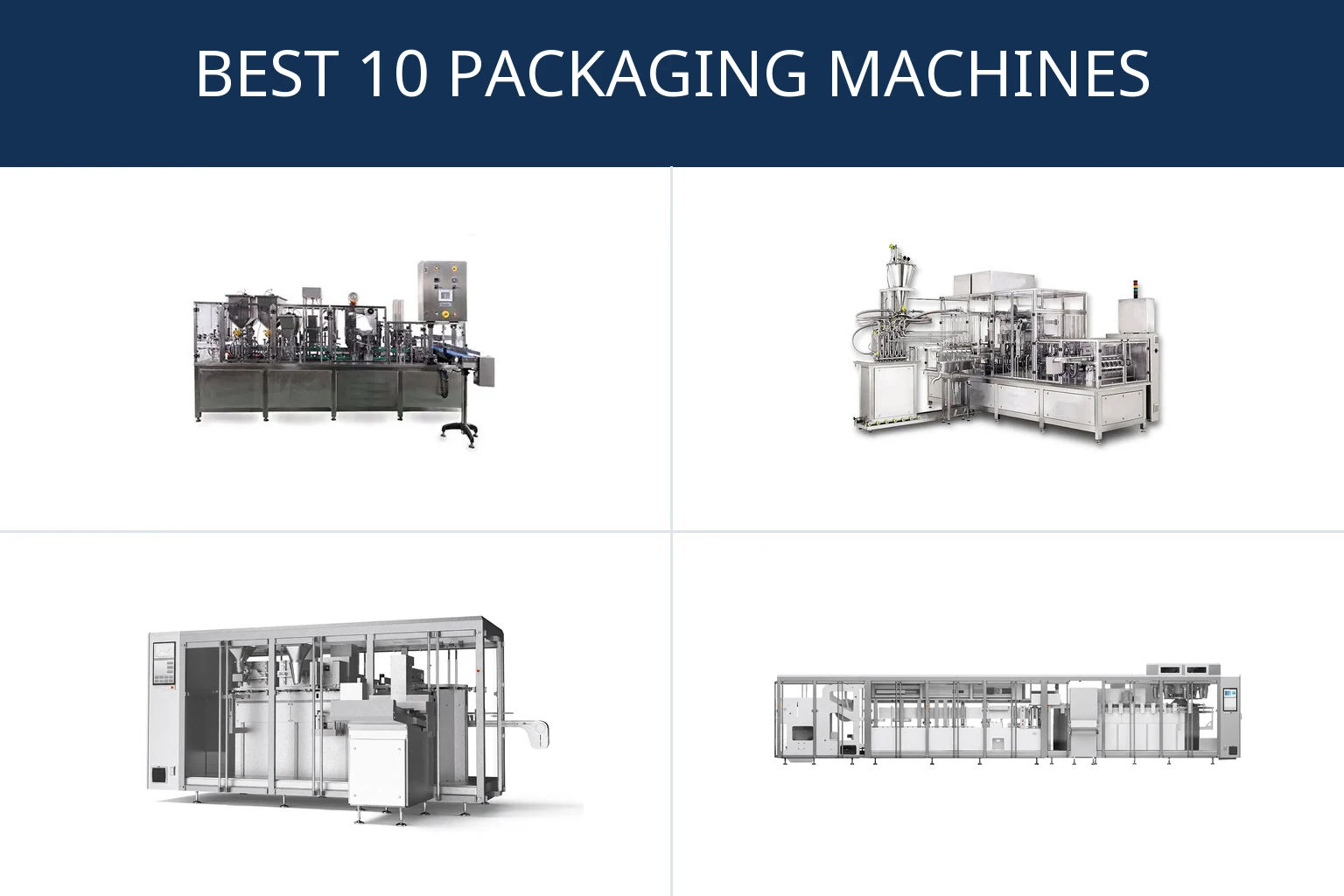
What a bucket and pail filling machine does
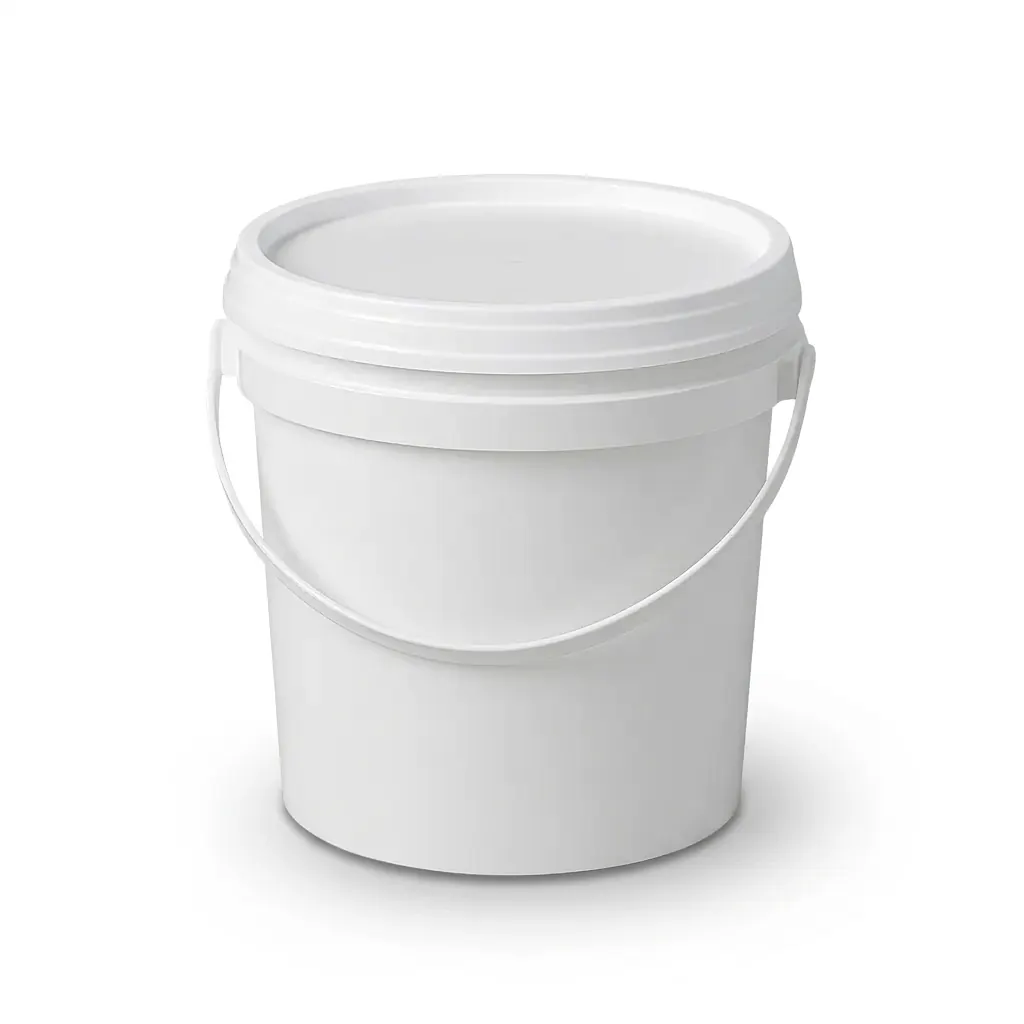
A bucket and pail line covers the whole primary cycle for a bulk container. Empty containers are separated and presented, each one is positioned under the fill head, product is dosed in, and the closure is applied and secured. Depending on the pack, that closure is a lid placed and pressed into the rim, a film seal across the opening, or a film seal followed by an overcap.
The same basic cycle serves foodservice sauces and dressings, bulk dairy and spreads, detergents and household liquids, and industrial bulk products. What changes between those jobs is how the container is handled, how the product is metered, and how the pack is closed.
Where automation earns its place
Most bucket and pail operations start as manual filling: containers are placed, filled by hand or with a simple valve, and capped by the crew. That arrangement works until output, fill consistency, or the physical effort of handling full containers becomes the limit.
Automation is usually justified by weight control and ergonomics before it is justified by speed. A machine that doses to a target weight and presses a lid the same way every cycle gives the plant a repeatable pack and removes the heaviest part of the job from the crew.
Where output does matter, container size and fill volume set the practical rate. State the target in containers per hour for the actual pack rather than a headline figure, because a small pail and a 4-gallon container are different jobs on the same machine.
How the line is arranged
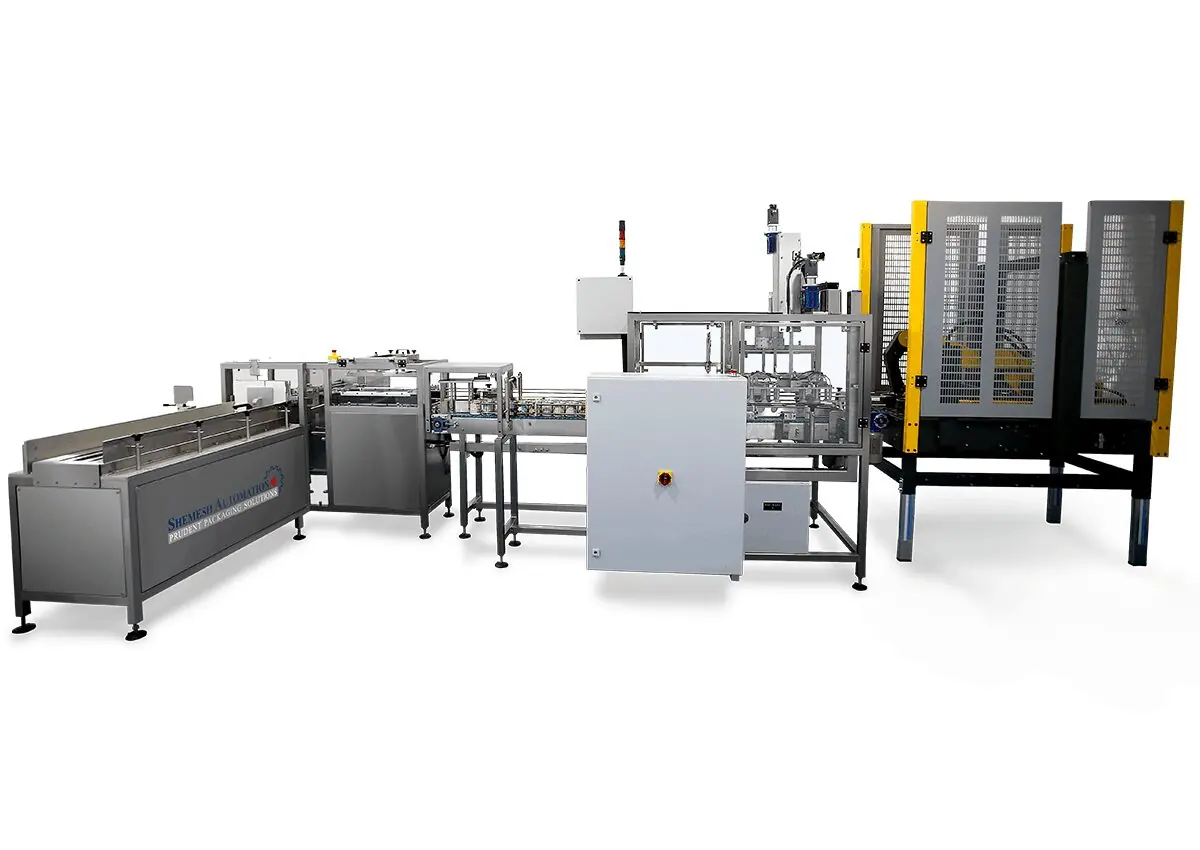
A typical automatic arrangement feeds or denests empty containers, routes them through one or more fill stations, then hands them to the closing section. Optional load-cell verification checks each fill against its target. Film sealing produces a tamper-evident closure, and an overcap can be applied automatically after the seal.
Supporting equipment is chosen around that core: an automated container feed, an orientation unit where lids or handles must present a particular way, labeling equipment downstream, and an exit conveyor or rotary table that passes finished packs to the next section. A secondary filler can be added where a second product or a second dose is needed.
Match the filling method to the product
Bucket and pail fills cover liquids, pastes, powders and products with particulates, and the product decides the metering approach. Pumpable products can be metered by volume or by pump. Products containing pieces need a handling method that does not crush or separate them. Powders need dust control and a hopper that does not bridge.
Net weighing measures each fill by container weight and suits products where volume is not stable. The bucket line listed in the catalog covers dosing up to 8 gallons and handles multiple container sizes, including 4-gallon pails, with changeover between formats.
What to check before you specify
Bucket and pail projects go wrong when the container or the closure is described loosely. Bring the actual packs to the conversation.
- The container sizes, lid types and rim profiles you run today, and which of them must changeover on the same machine.
- How the product behaves: viscosity, particulates, foaming, temperature and dust.
- The fill accuracy your quality and labeling requirements need, and whether weight verification belongs on the line.
- The closure you want: pressed lid, film seal, or film seal plus overcap.
- Cleaning access and changeover time between products, especially where allergens are involved.
- Floor space and utilities, plus how finished packs leave the machine toward labeling, coding and palletizing.
Confirm the pack before the machine
Bulk container filling is one of the formats where a product and pack trial earns its keep. The container, the lid, the product and the target fill together decide whether a given arrangement works, and that is only proven by running them.
Pure engineers, specifies, supplies and integrates bucket and pail filling systems for manufacturers in the United States and Canada, and reviews the line around them, including container feeding, weighing, labeling, coding and palletizing.