Start with the package your customer will hold
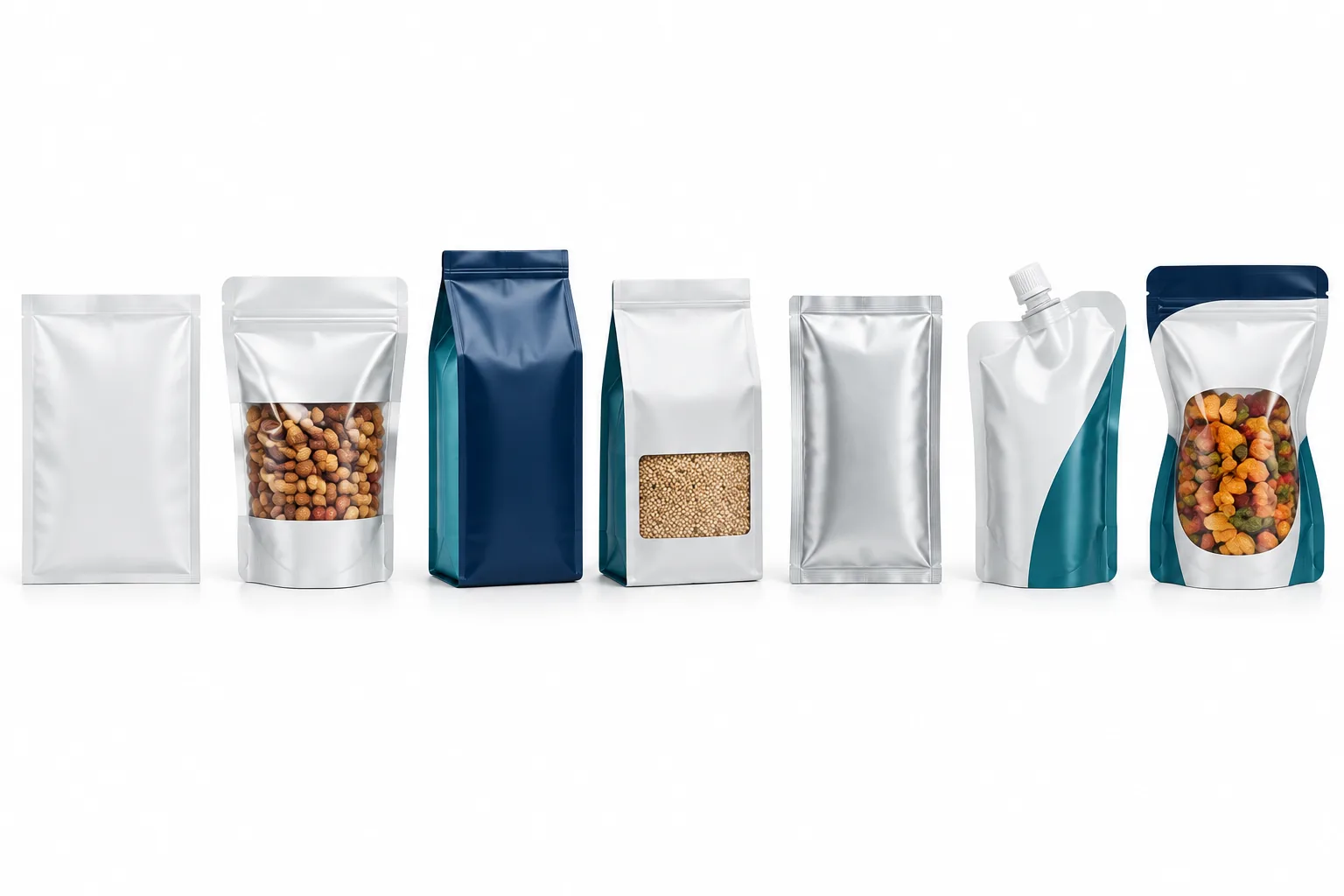
Flexible packaging decisions often begin with the machine, but the better starting point is the finished pouch. A stand up pouch with a zipper, a flat sachet, a spouted pack and a shaped retail pouch each bring different handling needs before filling ever begins.
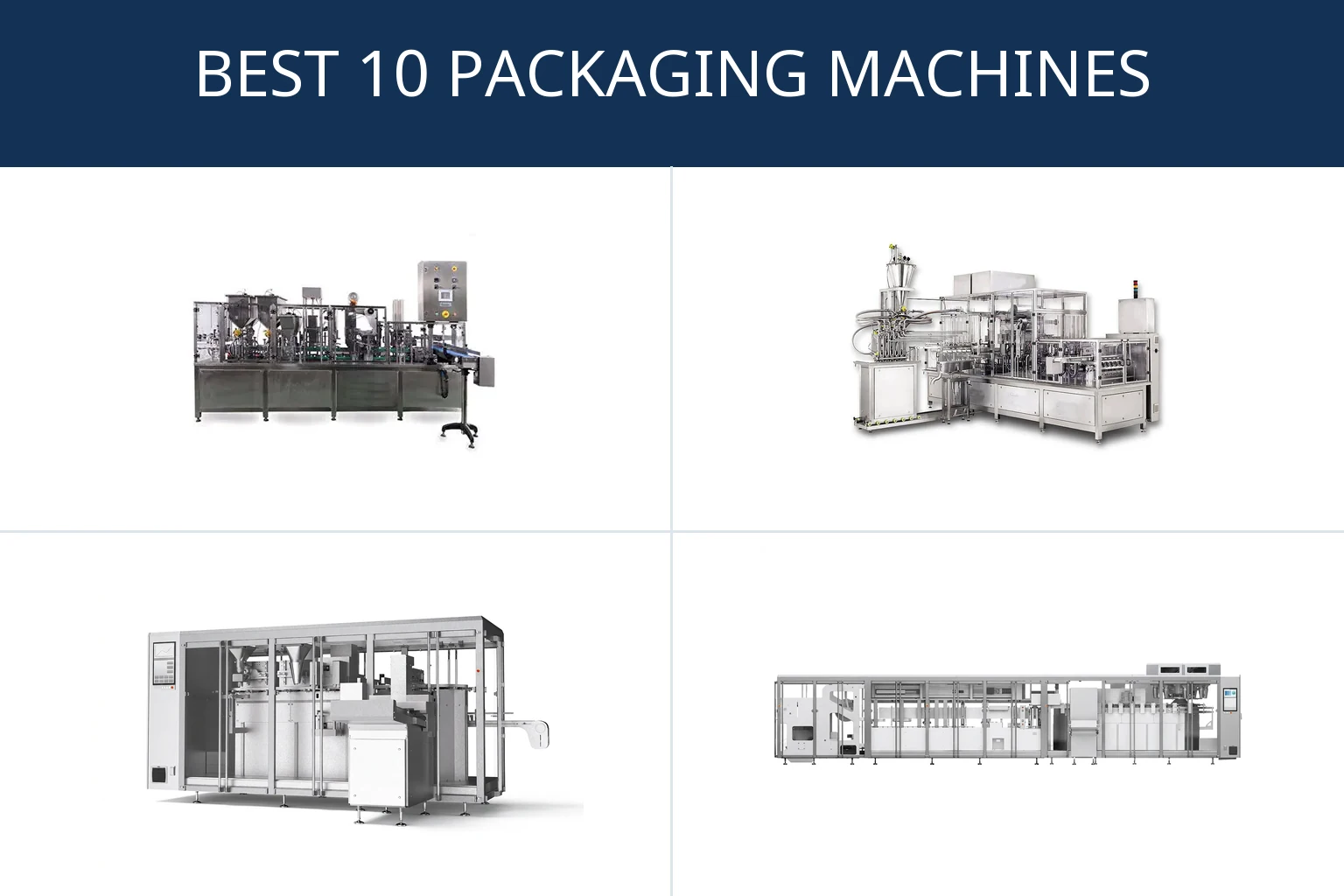
Premade pouch systems are a strong fit when the brand value of the package matters and the pouch is already made by a converter. Horizontal form fill seal can be the better path when film supply, pack geometry and production volume support forming the pouch inside the machine.
Product behavior decides more than brochure speed
Dry snacks, pet food, powders, sauces and liquids do not enter a pouch the same way. Flow, dust, foaming, particulates and fill temperature can change the right dosing method and the seal control needed at the end of the cycle.
This is why Pure treats speed as application dependent. A project should be tested around the real product, pouch material, target weight and sealing window rather than around a single published number.
Changeover is part of the cost calculation
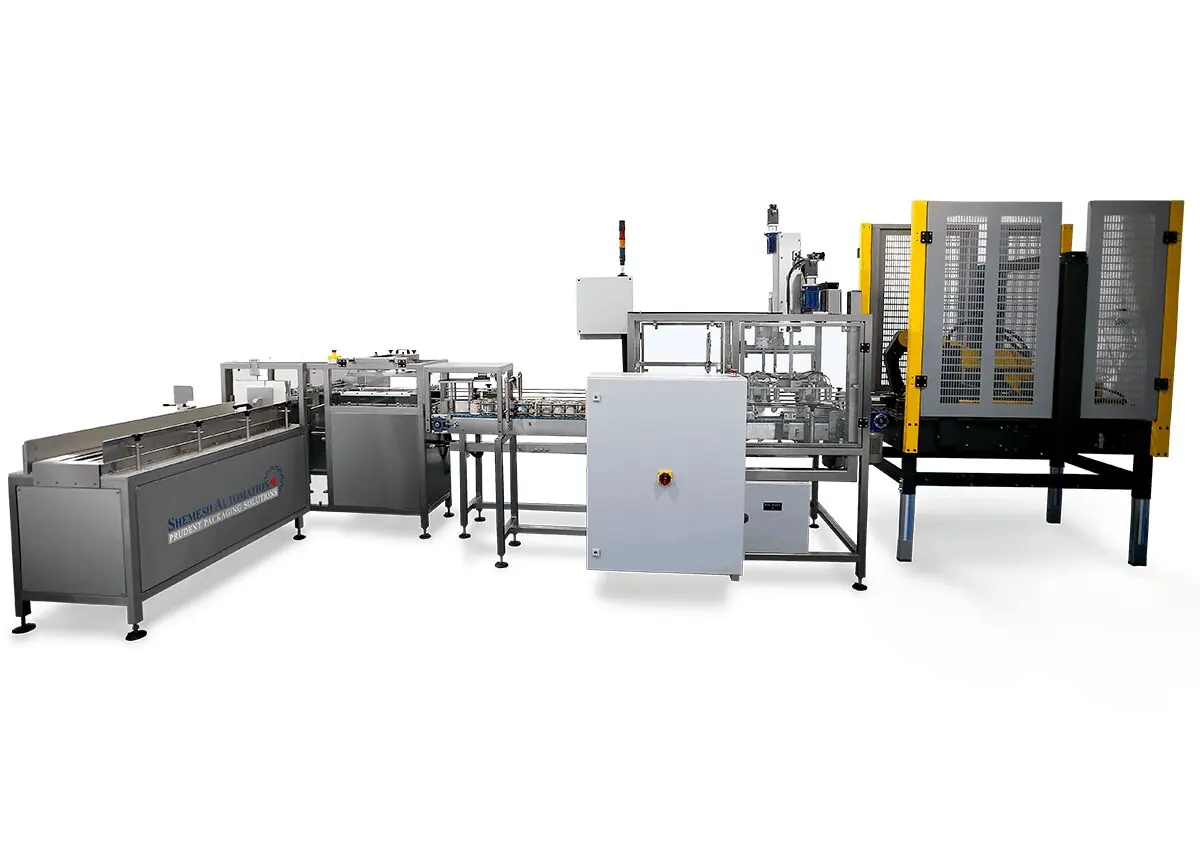
Plants with frequent SKU changes need to look closely at pouch loading, recipe control, tooling, filling hardware and operator access. A machine that runs well at one setup but takes too long to change can create hidden downtime during the week.
The right choice is usually the one that protects the whole schedule, not only the peak run rate during a test.
What to prepare before asking for a quote
Useful project details include pouch drawings, film or pouch samples, target fill weight, product samples, allergen or washdown needs, expected changeovers and downstream requirements such as checkweighing, labeling, cartoning or palletizing.
With those details in hand, Pure can help compare a premade pouch line, an HFFS line or a hybrid approach around the way the product will actually run.