What makes a packaging machine the best one to buy?
There is no single best packaging machine for every plant. A line that runs one cup size all week has a different job from a co-packer changing products twice a day. The useful questions are what goes into the package, how the package closes, how many saleable packs are needed per minute, and how much time the crew can spend cleaning and changing formats.
These ten choices come from equipment Pure Packaging Solutions supplies and integrates. The rates below are published configuration ranges, not a promise for every product. Fill weight, viscosity, inclusions, container quality, film, closure and the rest of the line all affect actual output.
1. Which machine is best for pastes and frequent cup-size changes?
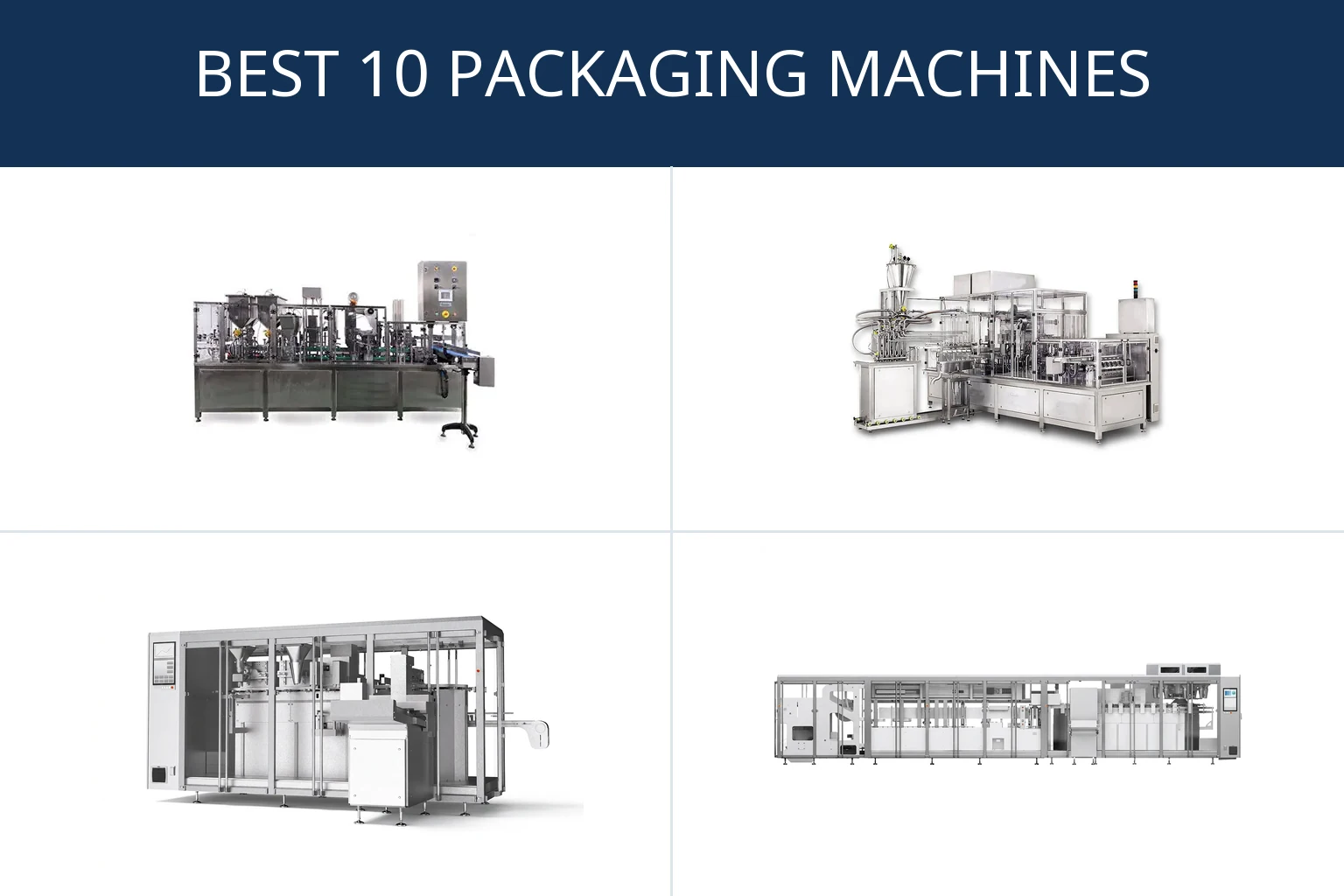
The Pneumatic Inline Filling and Sealing Machine is a strong first choice for yogurt, dips, spreads and other pastes packed in cups. The straight-line arrangement combines cup denesting, dosing and sealing, and change parts allow different cup sizes. A project with fruit pieces or several products can use dosing units chosen for the actual texture instead of forcing one filler to do everything.
The published range is 25 to 100 containers per minute, depending on configuration. Its straightforward operation and maintenance make it appealing when the team values access and frequent changeovers; clean-in-place is an available option, not a standard feature to assume. Ask to test the slowest-to-clean product and every cup size before committing to a changeover schedule.
2. What should replace a pneumatic cup line above 100 cups per minute?
For a higher-output cup program with several formats, consider the Inline Servo Filling and Sealing Machine. Servo-controlled indexing and dosing help coordinate denesting, filling, film or pre-cut lid sealing, and lidding across a modular line. It is a good fit when a plant needs multiple lanes, more than one filling component, or repeatable recipe-based format changes.
The site lists configurations in the 80 to 300 containers-per-minute range, but the upper end requires the right lane count, product and pack. Above 100 cups per minute, compare the actual run rate and changeover labor against a rotary alternative rather than buying solely on a brochure maximum. Clean-in-place can be specified for the filling section when the product warrants it.
3. Is a rotary filler the best choice for liquid cups?
The Rotary Filling and Sealing Machine is worth a close look for liquids, dairy desserts, sauces and dips when a compact station layout and steady production on a limited set of cup formats matter. Cups index around a turntable through filling, sealing and optional lidding. A liquid that splashes or foams still needs an appropriate nozzle and indexing trial; the rotary layout does not fix a poor filling method.
The published throughput for this rotary cup line is 30 to 120 units per minute, depending on lanes and application. If your target is 150 liquid cups per minute, do not assume this model can reach it: ask Pure to compare a suitable higher-output inline servo configuration and test the full line with your cups and liquid.
4. Which premade pouch machine fits larger bags at up to 60 per minute?
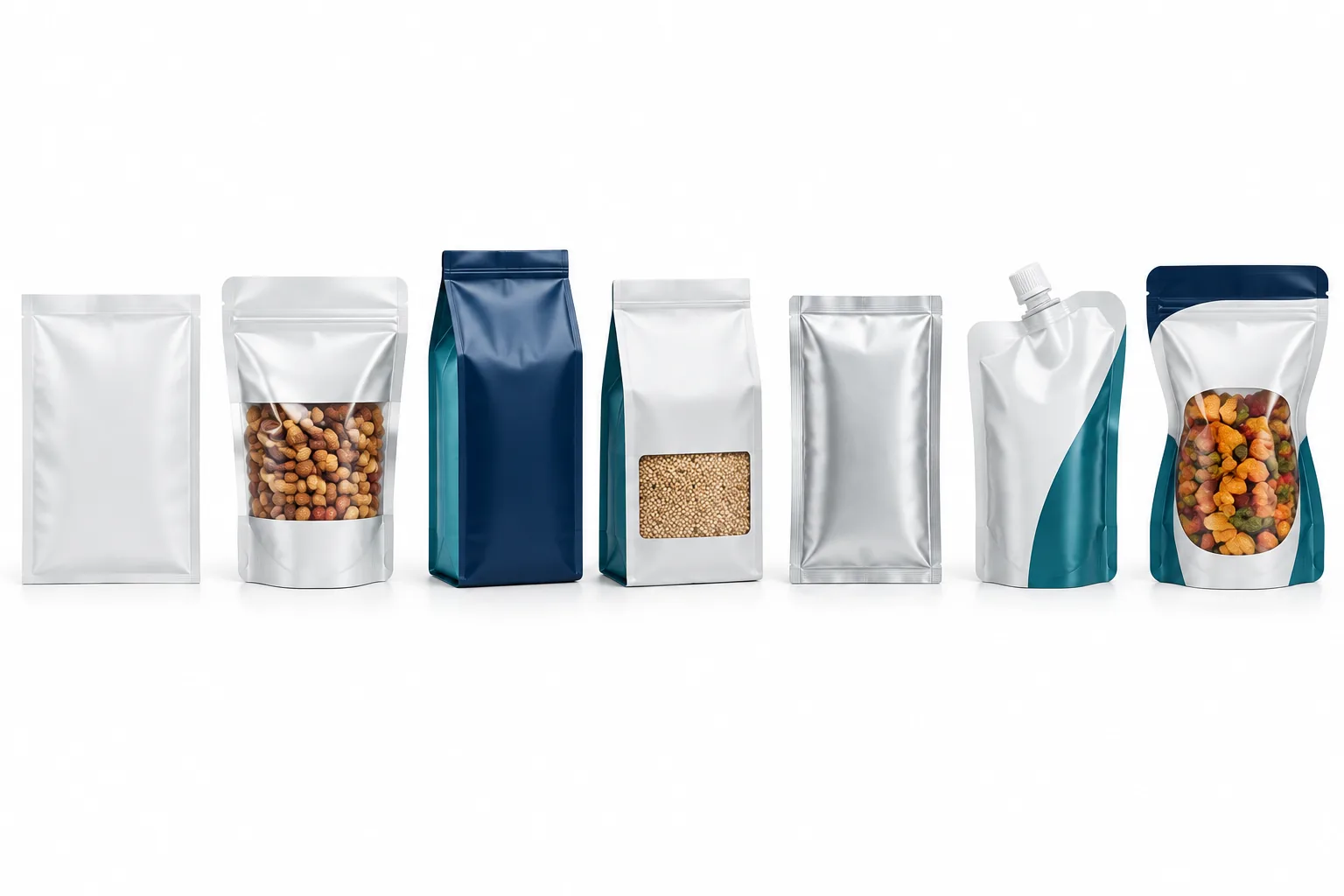
For larger premade packs, the Large-Format Pre-Made Pouch System, PPS-P-4300-N1, is a useful starting point. It takes already-formed pouches and concentrates the project on reliable bag opening, product dosing and seal quality rather than on making the bag. That can be the better decision when a brand needs a particular converted pouch, print finish or closure.
Its published range is 20 to 60 pouches per minute, subject to product properties. The trade-off is paying for converted pouches and managing their storage and transport. Before choosing it, check pouch opening and seal contamination with real product samples, especially with powders and products that settle slowly.
5. What premade pouch machine should I consider near 120 per minute?
The Compact Pre-Made Pouch Filling and Sealing System, PPS-P2-2100-N2, is a better comparison when the packs are smaller and the target moves into the 80 to 120 pouches-per-minute range. Its rotary cycle picks, opens, fills and seals premade pouches. Servo bag supply and recipe changeover help when the schedule includes several pouch sizes.
This is not a faster replacement for every large-pouch application: the published maximum pouch dimensions and product settling time may rule it out. If the plan calls for more than 100 pouches per minute every shift, compare the all-in cost of bought pouches with a form-fill alternative and check whether the dosing system can keep up.
6. When is form fill seal better than buying premade pouches?
For a repeatable high-volume pouch format, the High-Output Form-Fill Pouch System, PPS-F2-2100-N8, forms the pouch from rollstock, fills it and seals it in one continuous process. This removes the need to receive and store an already converted empty pouch. Film economics and freight may improve, but actual savings depend on film yield, scrap, pack design, purchased-pouch prices and logistics; calculate them for your own SKU mix.
Its published range is 120 to 180 pouches per minute, depending on the product and film. A claim of 400 pouches per minute is not documented for this machine on the site, so it should not be used as a buying assumption. Premade pouches may still win when a distinctive shape, spout, zipper or frequent short runs matter more than rollstock economics.
7. What is best for filling liquids into bottles and closing them?
The Rotary Bottle Filling Machine fits repeatable runs of beverages, dressings and other pourable products when filling and closure handling need to work as a coordinated section. Continuous rotary movement can keep the station layout compact, while the dosing technology is selected for the liquid's viscosity and its tendency to foam or drip.
Do not size a bottle line from the filler alone. Bottle stability, cap feeding, torque checks, labeling and accumulation can limit the real rate. Bring filled-product and empty-bottle samples, cap drawings and cleaning requirements to the review; a bottle format change is only quick if every connected station can change with it.
8. Which machine is best for ready meals and sealed trays?
The Tray Sealer is the sensible choice when the finished package is a rigid tray with film, including prepared meals, fresh foods and proteins. It can be configured around tray dimensions, film and a modified-atmosphere process where appropriate. The seal is only as good as the tray rim and product placement arriving at the station.
Evaluate denesting and loading along with the sealer. A machine that closes trays quickly but repeatedly receives contaminated rims will create rejects, not useful output. Ask for trials using the real tray, film and product, and confirm how the line will inspect the finished seal.
9. Which weighing machine should feed a snack or produce bagger?
A Multihead Scale is often the right companion for irregular pieces such as snacks, nuts, produce or pet food. Its controller compares combinations of hopper portions to reach a target weight, then discharges into a VFFS or premade pouch system. That can be more practical than expecting a single volumetric measure to behave consistently with products of uneven size.
The best scale is the one that matches product fragility, stickiness, target weight and the bagger's cycle. Ask to see real-product tests and check washdown access, product distribution and the available height above the line before specifying the number of heads.
10. What machine should I buy when packing is the bottleneck?
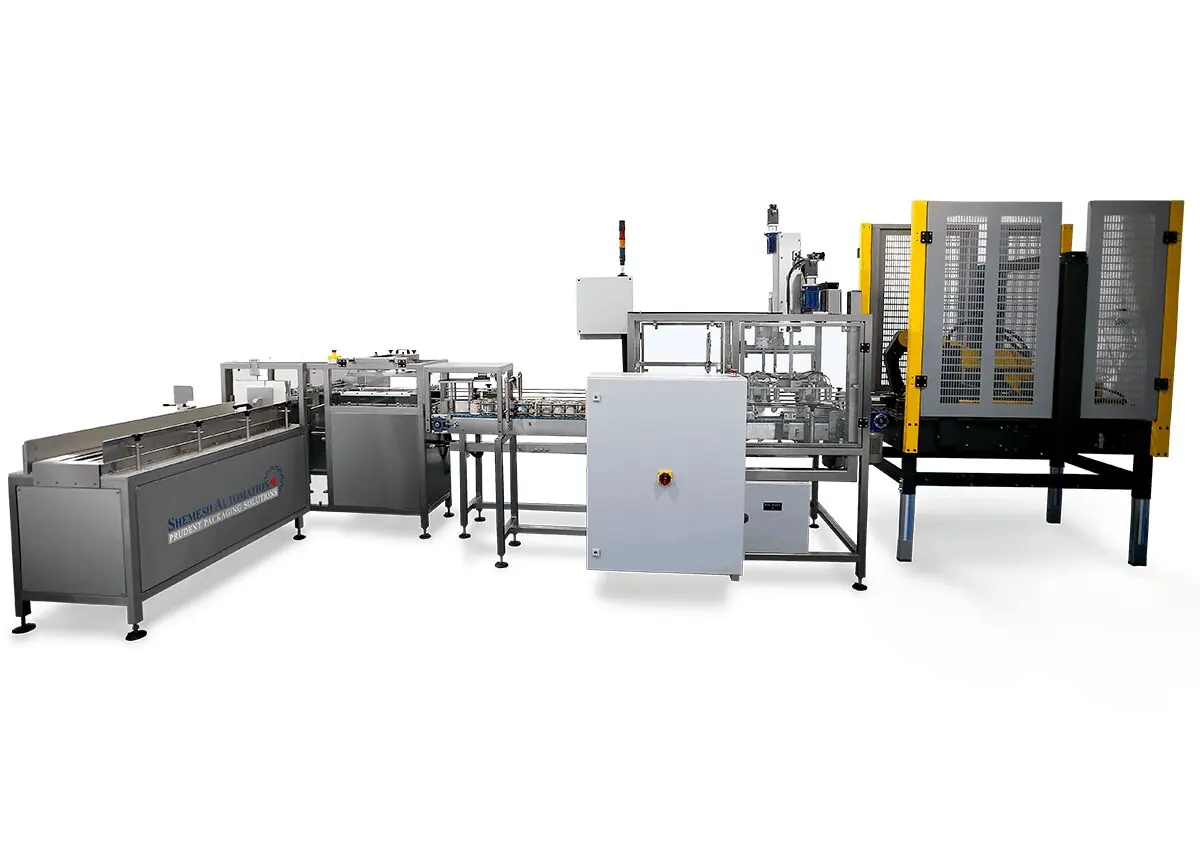
An Automatic Case Packing Machine can be the best purchase even when the filling equipment is already working well. It groups finished packs, forms or receives corrugated cases, loads them and hands them off for sealing. It is especially relevant when manual case loading creates a queue behind a cup, pouch or tray line.
Start with the real finished package and case pattern. A pouch, cup and tray need different gripping and grouping, and the case packer must accept the upstream rate without damaging packs. Compare the complete infeed, packing and outfeed section rather than an isolated machine cycle.
How do I choose among these ten machines?
For pastes in changing cup sizes at up to 100 per minute, start with pneumatic inline filling. For faster multi-format cup production, compare servo inline against rotary using your real liquid or paste. For premade pouches, consider the larger-format system up to 60 or the compact system in the 80 to 120 range. When a consistent pouch format and higher volume justify rollstock, price a form-fill system against the total cost of purchased pouches.
The next step is a short application review: share the product, samples of the package and closure, fill weight, target saleable packs per minute, format-change frequency, cleaning method and available space. Pure can then identify the configuration worth testing instead of pretending that one machine is best for everyone.