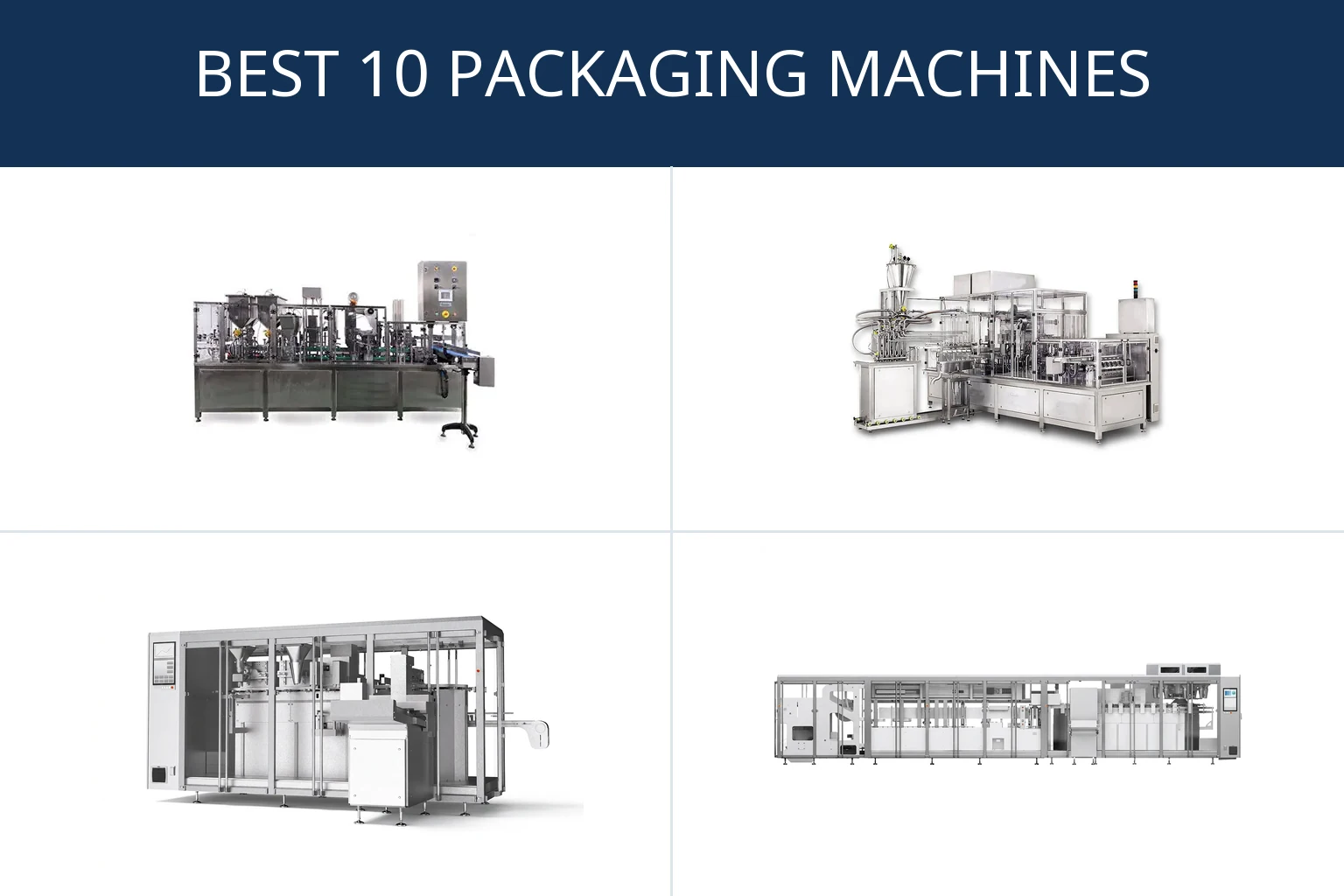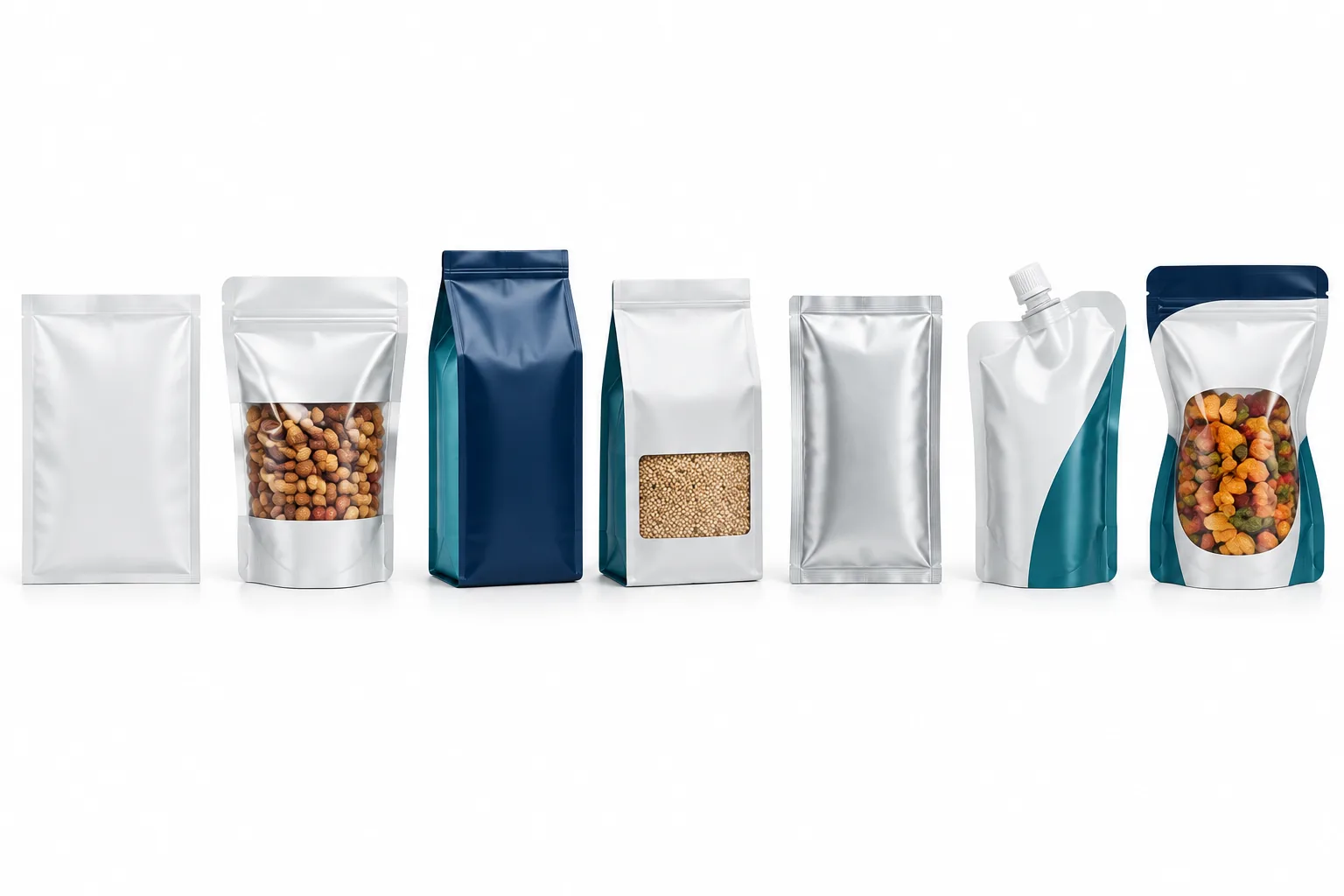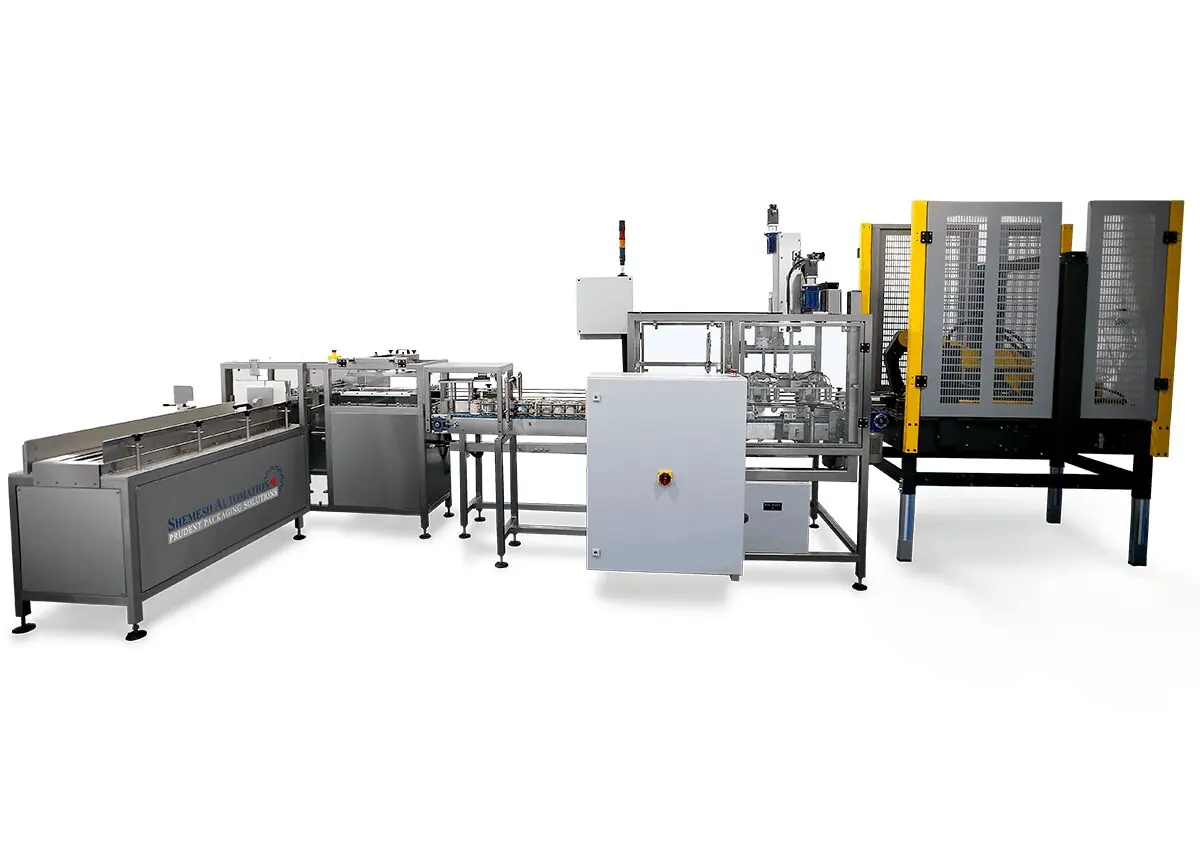
Cup filling is a product handling challenge
Yogurt, dips, sauces, desserts, spreads and particulates all behave differently in a filler. The right machine choice begins with how the product flows, settles and reacts after dosing.
A project with fruit pieces, foam, stringy texture or multiple components needs a different filling conversation than a smooth product with a narrow weight range.
The cup and lid system matters
Cup stiffness, rim quality, stack behavior and lid type affect denesting and sealing. Film seal, foil lid, snap lid and overcap arrangements each create different tooling and inspection needs.
Sample cups and lids are valuable because they show how the package behaves in motion, not only how it looks on a drawing.
Inline and rotary layouts solve different problems
Inline machines can be a strong fit for modular access, multi lane layouts and future expansion. Rotary machines can offer a compact path when the process fits the indexing style.
The best layout depends on sanitation, floor space, filling stations, sealing stations, output target and the way operators will run the line.
Ask for a line plan, not only a machine quote
A cup filler rarely works alone. Denesting, conveying, checkweighing, labeling, accumulation, case packing and palletizing all affect the final result.
Pure reviews those connections early so the filling machine fits the larger production plan.