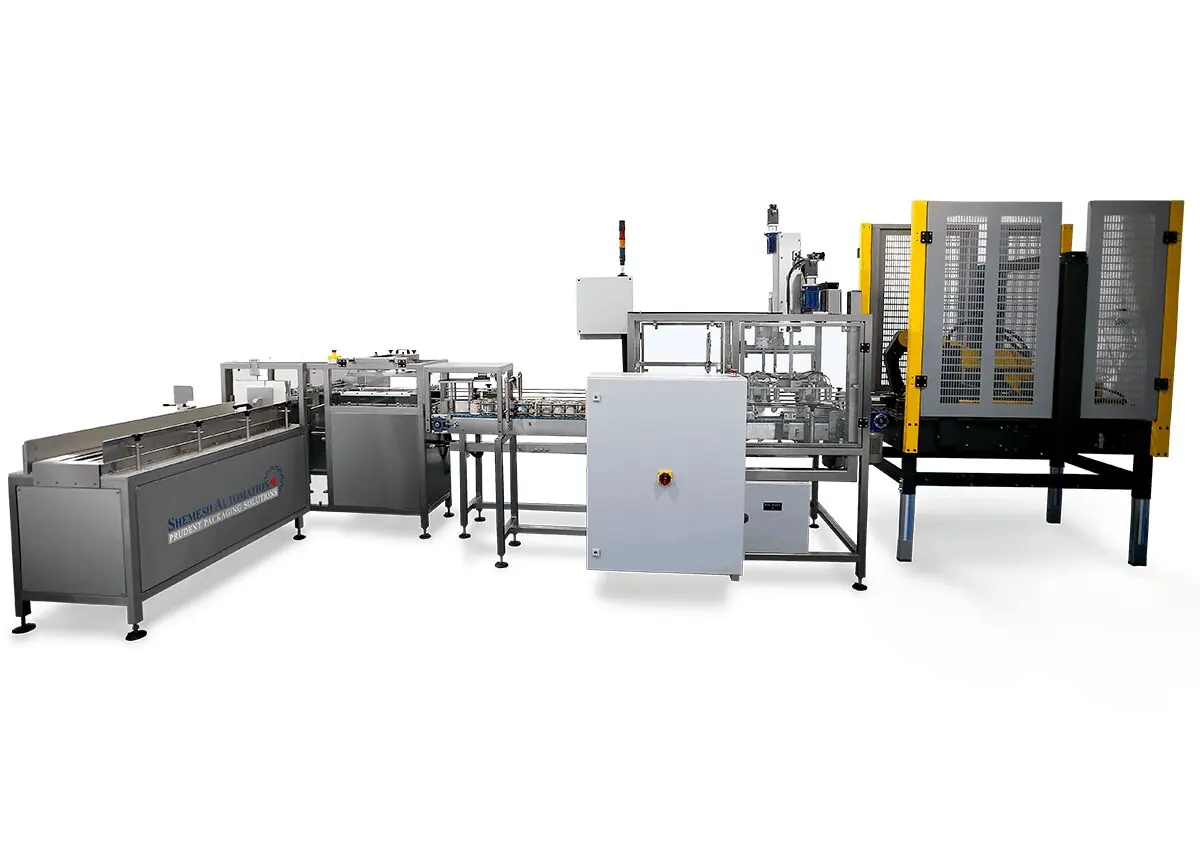
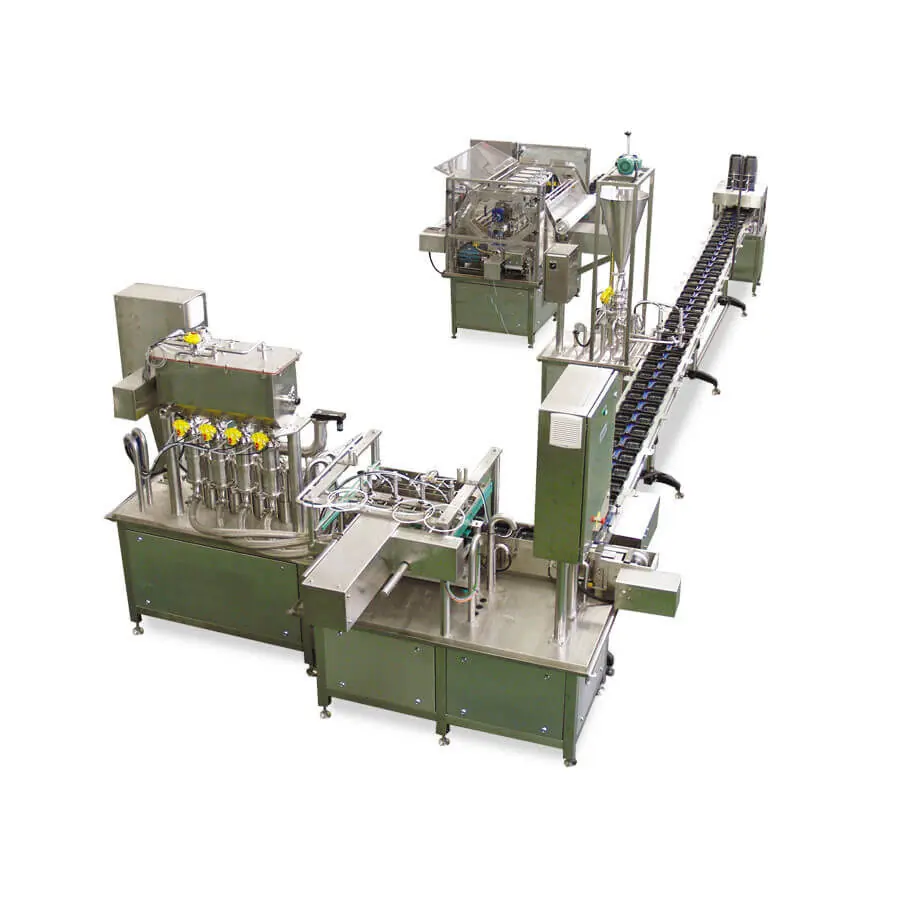
A tray sealer closes a larger process
The sealing station gets attention because it creates the finished package, but the line has already made many decisions before the tray reaches that point.
Denesting, loading, product placement and indexing determine whether the sealer receives a tray that is ready for a clean repeatable seal.
Tooling connects the tray to the film
Tray dimensions, rim design, compartment layout and film structure all affect the tooling. A small change in packaging material can change how the seal behaves under heat and pressure.
This is why samples and drawings are essential before a project is locked in.
MAP requires discipline around the package
Gas flushing, vacuum steps and seal control need a package that supports the process. Product on the rim, inconsistent tray loading or poor film handling can weaken the result.
The line should make it easy for operators to keep those areas clean and visible.
Downstream equipment should not be an afterthought
After sealing, trays often need labels, sleeves, inspection, case packing or palletizing. The discharge of the tray sealer should be planned with those steps in mind.
Pure designs tray sealing sections as part of a complete packaging line so the transition out of the sealer is as controlled as the seal itself.