1. Define the Process Boundary and the Real Requirement
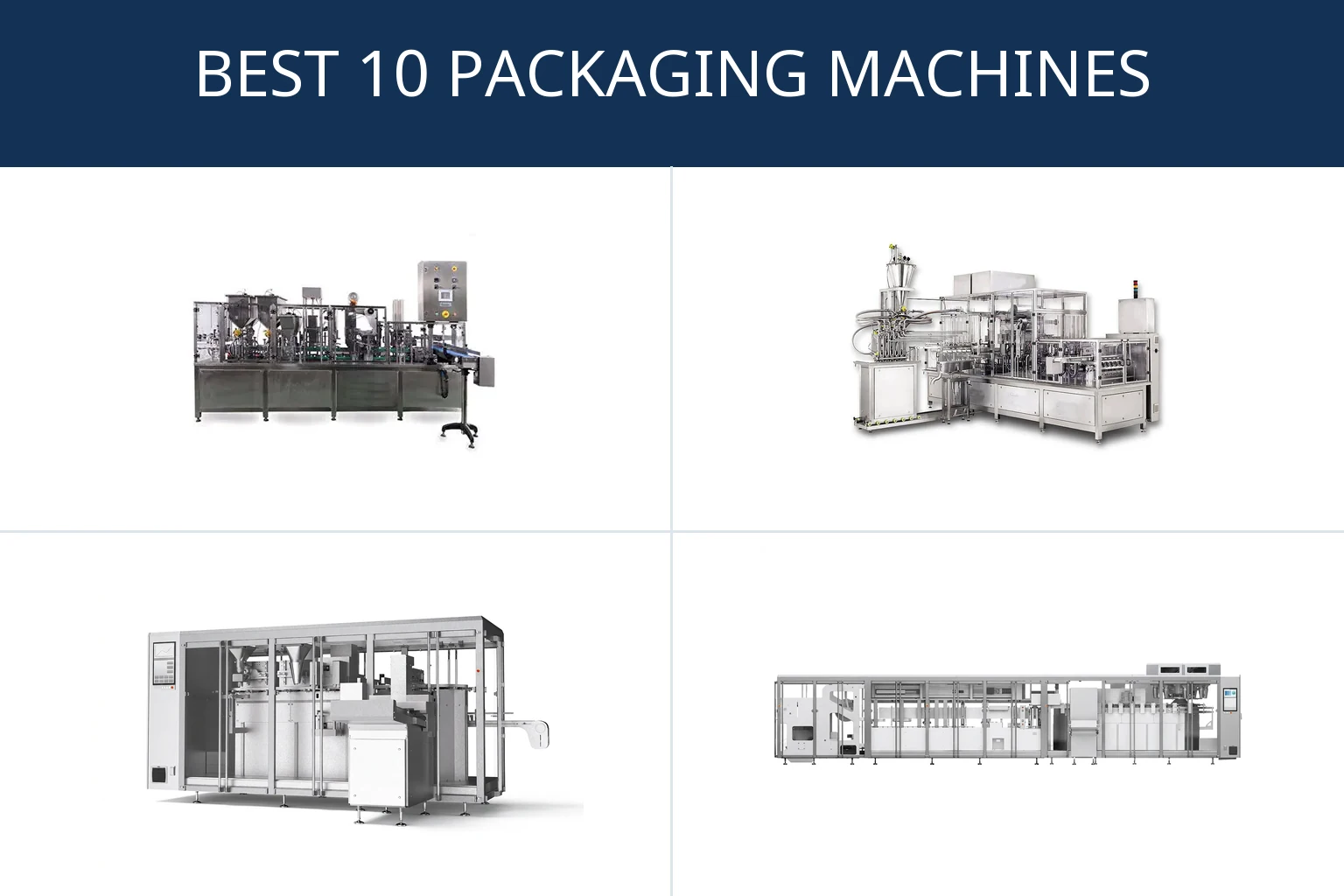
Before comparing front line systems, agree on what the project includes. Depending on the application, the scope may cover product feeding, container handling, filling, closing or transfers between these operations. Draw the process from the incoming product and packaging materials to the next accepted handoff. Mark who owns each conveyor, sensor, reject device and control signal. Gaps in scope often become problems during installation, particularly where an existing machine meets new equipment.
Build the operating requirement around saleable output, not a machine's quoted cycle rate. Document the product mix, batch sizes, available production time, cleaning requirements and changeover frequency. Identify what currently limits output and verify it on the floor. A new filler will not solve inconsistent container delivery or a closing operation that repeatedly stops. Include operators and maintenance technicians in this review. They usually know which small disturbances consume the shift.
2. Characterize the Product and Package Together
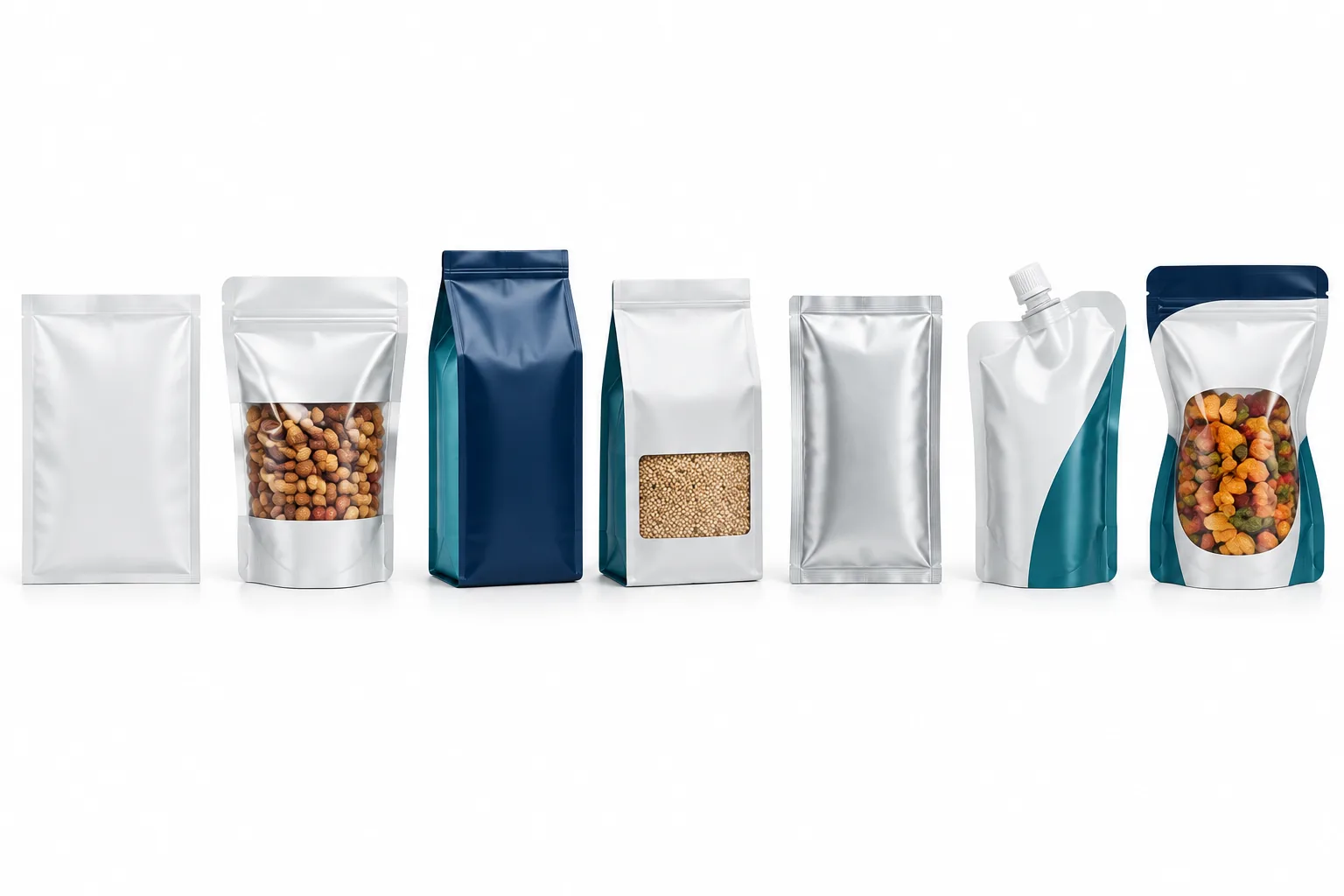
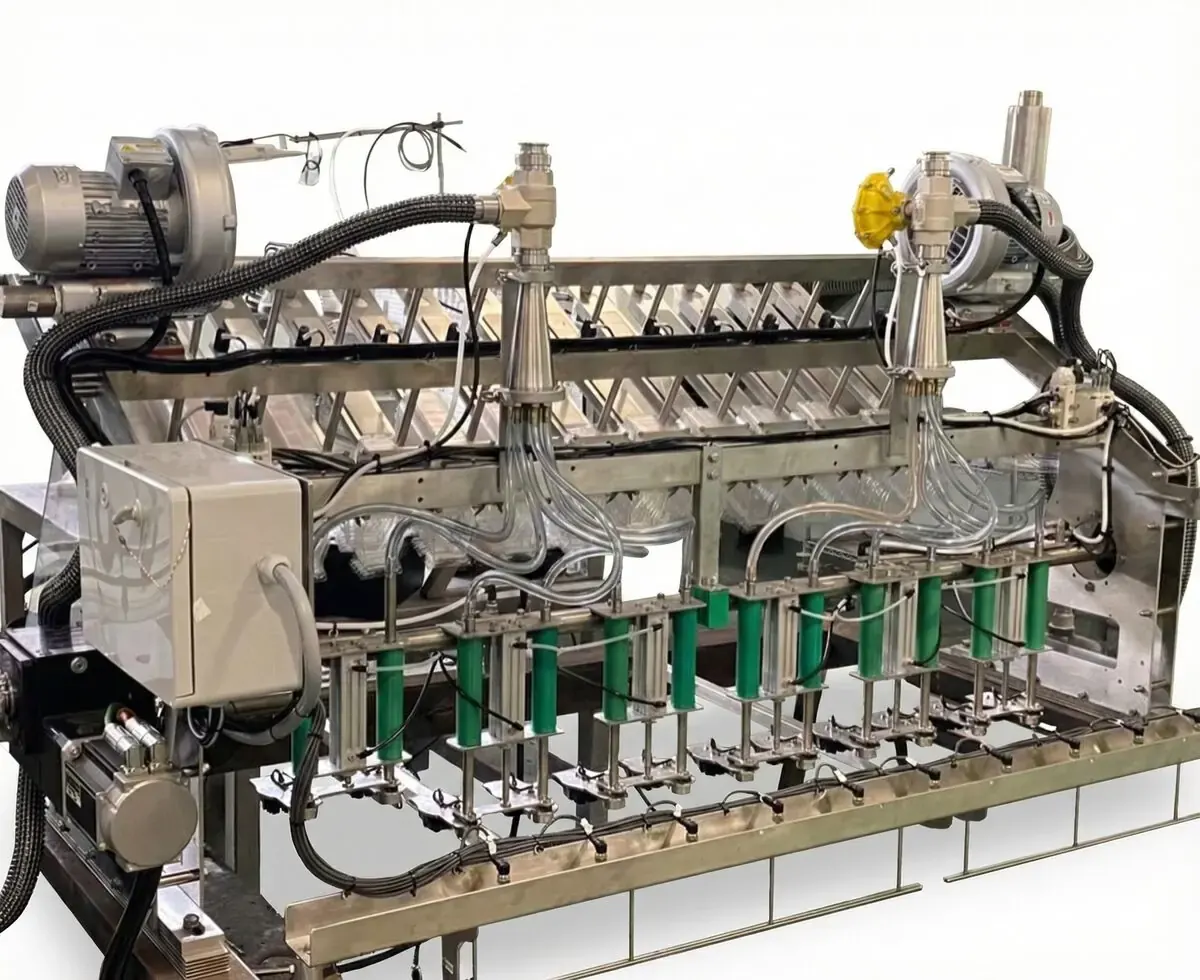
The product and its package form one handling problem. For liquids and creams, evaluate how temperature, viscosity, foaming and suspended ingredients affect delivery and filling. For discrete products, consider orientation, fragility, surface friction and variation in shape. Then examine the container or package for stability, dimensional variation and sensitivity to contact. A lightweight bottle may behave well when full but become difficult to guide while empty. Nominal dimensions alone will not explain that behavior.
Provide representative samples, including acceptable variation from normal production and packaging suppliers. Ask equipment providers to identify which characteristics could require tooling changes, different handling methods or additional controls. Define the applicable hygiene and quality requirements with your internal specialists. Food allergen changeovers, dairy cleaning practices and pharmaceutical documentation needs should not be treated as interchangeable. Where product contact is involved, review material compatibility, accessibility, drainage and the intended cleaning method before approving the equipment layout.
3. Engineer the Transfers, Not Just the Machines
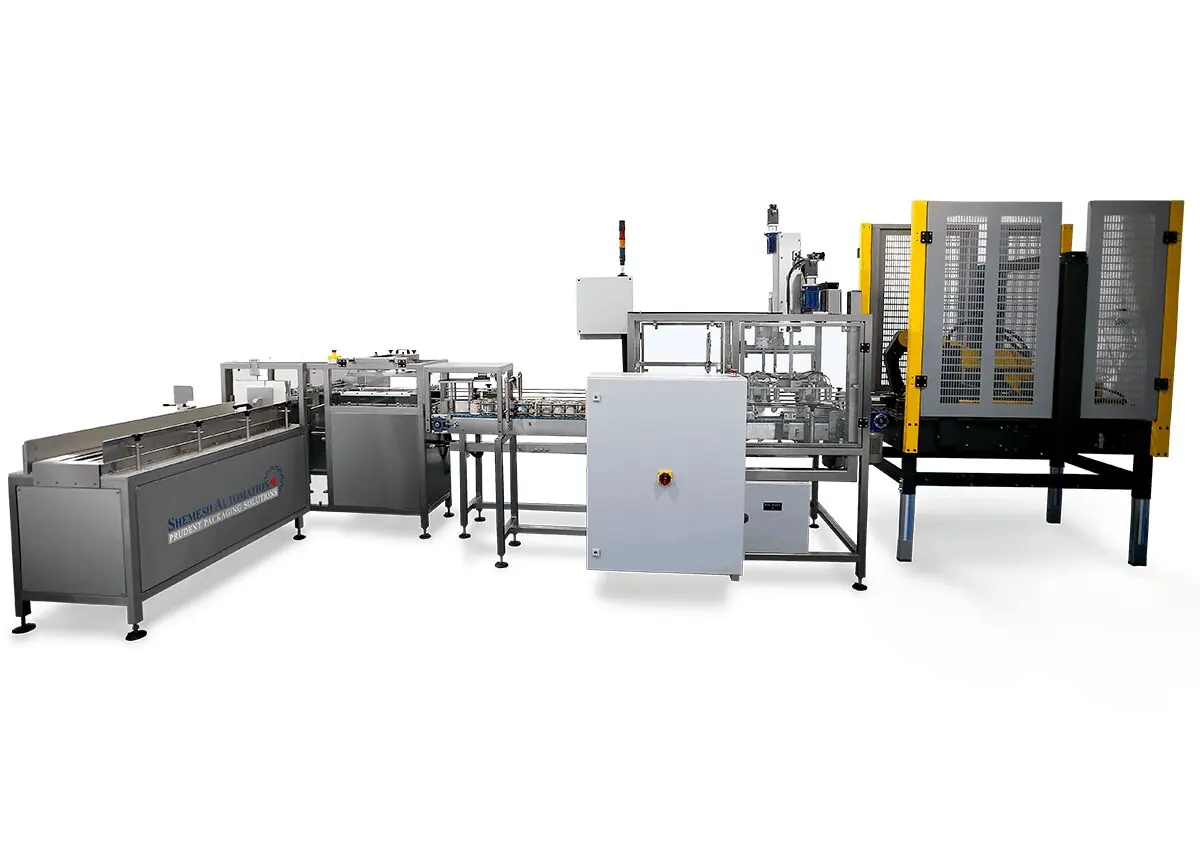
Watch the handoffs closely. Product can tip, bridge, scuff or lose spacing when it crosses a conveyor gap or enters a machine at the wrong angle. Review transfer elevations, guide adjustments, conveyor behavior and the space required for operators to clear a disturbance safely. Check the layout against actual building conditions, including columns, drains, utility drops and maintenance access. A compact arrangement is not useful if routine service requires moving another machine.
Agree on how connected equipment will respond to starvation, blockage, faults and restart commands. Define when upstream equipment should pause and what conditions permit it to resume. Accumulation can absorb brief interruptions, but its suitability depends on product stability, allowable hold time and the risk of damage or contamination. It should not conceal a persistent imbalance. Review emergency stops, guarding and safe access as an integrated system, with responsibilities clearly assigned across equipment suppliers and the plant.
4. Make Acceptance Testing Look Like Production
Write the acceptance plan before placing the order. Specify which products and packaging formats will be tested, what acceptable output means and how rejects, stoppages and operator interventions will be recorded. Establish application specific criteria for package quality and sustained operation. A brief run with carefully selected materials may demonstrate machine motion, but it does not establish how the system will behave through normal variation.
Include changeovers, replenishment, controlled interruptions and restart sequences in the test plan. Use representative operators where practical and observe tasks rather than relying only on elapsed time. Can they reach adjustment points, verify settings and remove residual product without awkward workarounds? Record unresolved items with an owner and a closure method. Separate checks that can be completed at the supplier's facility from those requiring installed utilities, upstream processes and actual plant conditions.
5. Plan for Ownership After Startup
Before commissioning, assign responsibility for recipes, tooling storage, preventive maintenance and operator training. Establish a spare parts strategy based on failure consequences and replacement availability. Document baseline settings and explain which adjustments operators may make. During early production, review repeated stops by cause rather than treating every interruption as an isolated event. Fix unstable feeding or poor transfers before compensating with more operator attention.
A useful project brief brings together product samples, package drawings, the proposed layout, utilities, cleaning expectations and acceptance criteria. It also identifies assumptions that still need testing. For a starting point, review the [Front Line Systems page](/solutions#front-line-systems) from Pure Packaging Solutions, where you can explore the solution area and request a quote. Bring the operating problem and its constraints to that discussion, not just a target production rate.