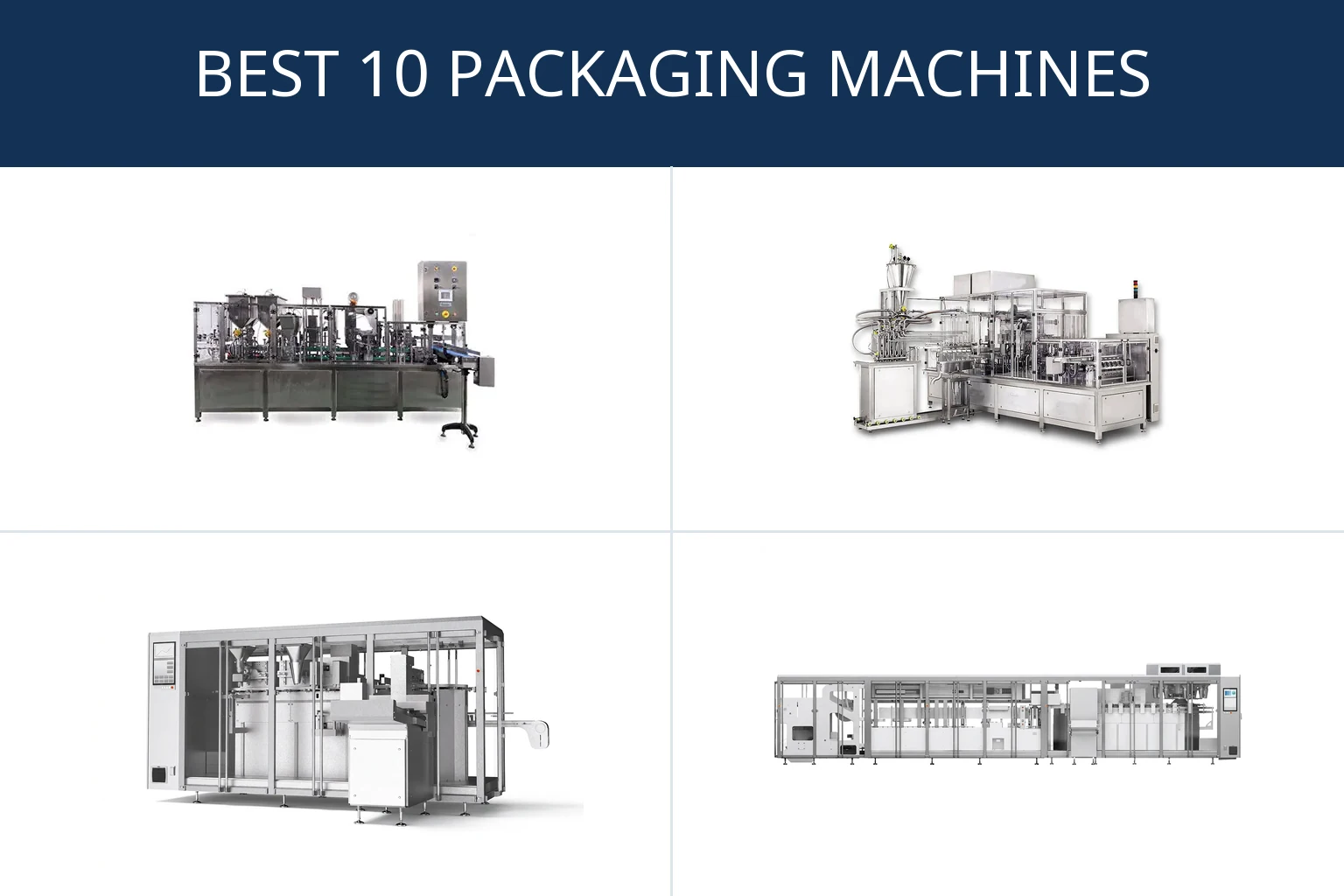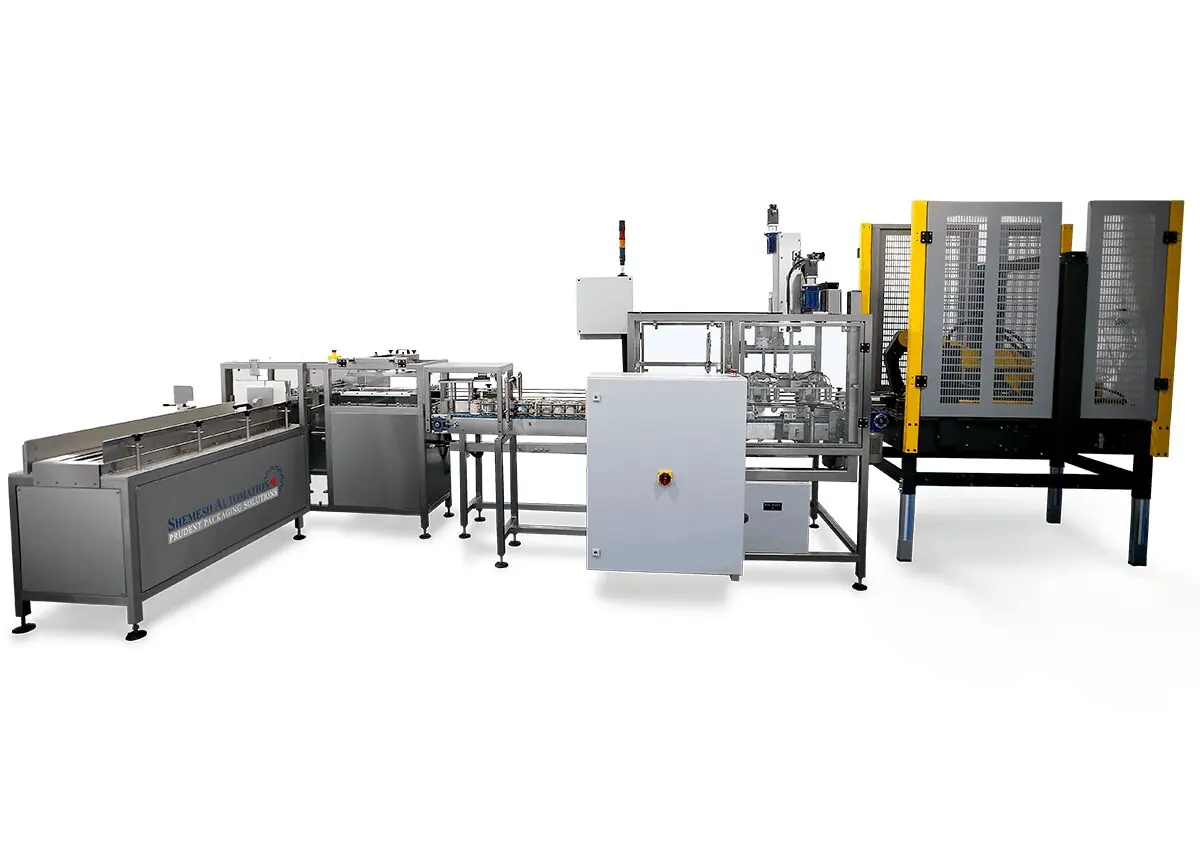
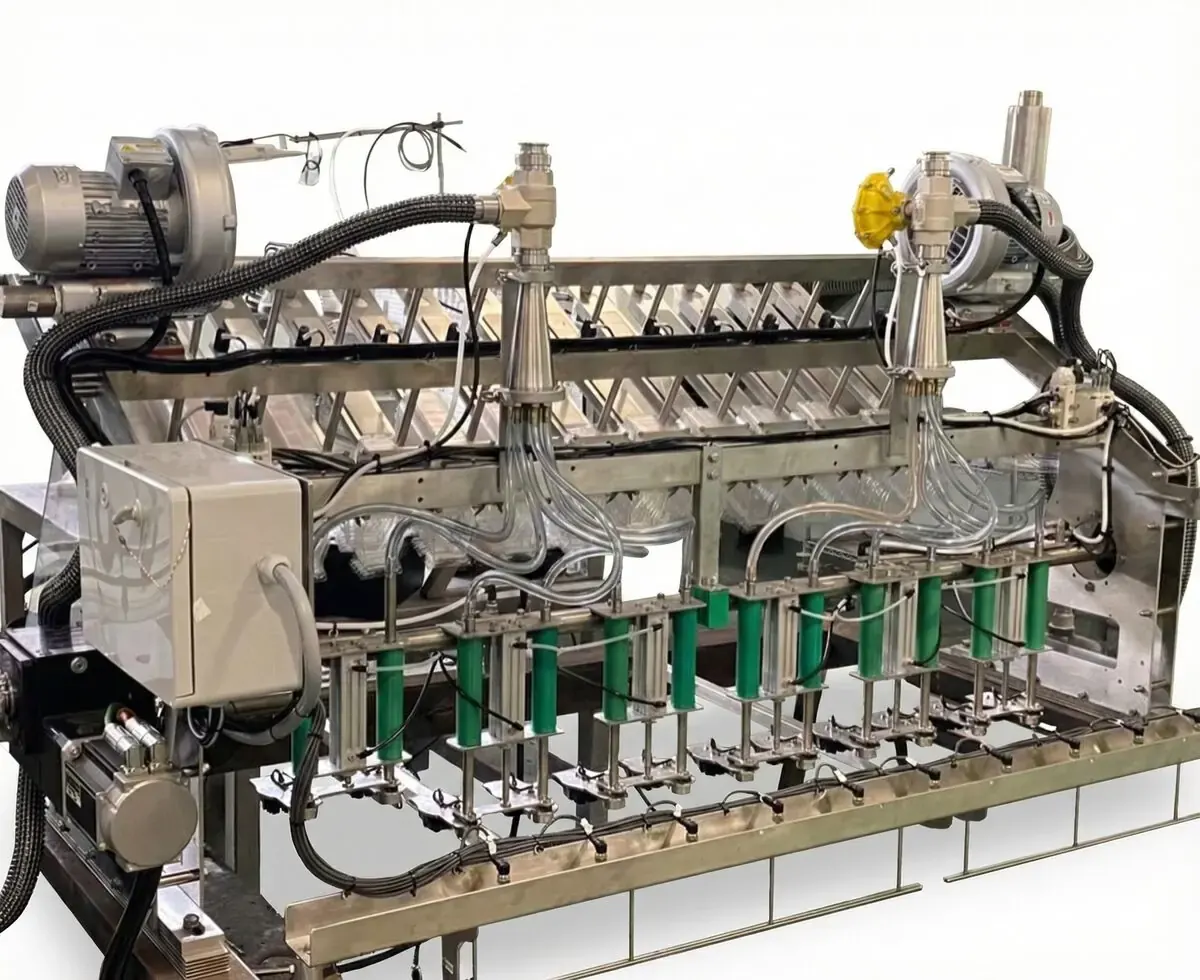
The first touch affects every later step
If cups, trays or clamshells are not separated cleanly, the filling or sealing machine starts with instability. That can lead to jams, misalignment or empty positions.
A denesting unit is often a quiet part of the line until it causes a stop.
Container quality changes the design
Nested containers can stick together because of material, static, rim shape or stack pressure. The denesting approach must match the actual container, not only the drawing.
Samples are especially important when containers come from multiple suppliers.
Changeover should be visible and repeatable
Plants with several container sizes need clear change points, accessible adjustments and stable settings. Denesting changeover should not rely on guesswork.
Good design helps operators return to a proven setup quickly.
Feed control protects the main machine
The goal is a steady handoff into filling, loading or sealing. That means the denester, conveyor and machine index need to work together.
Pure plans denesting as part of front line automation so the rest of the line receives a reliable start.