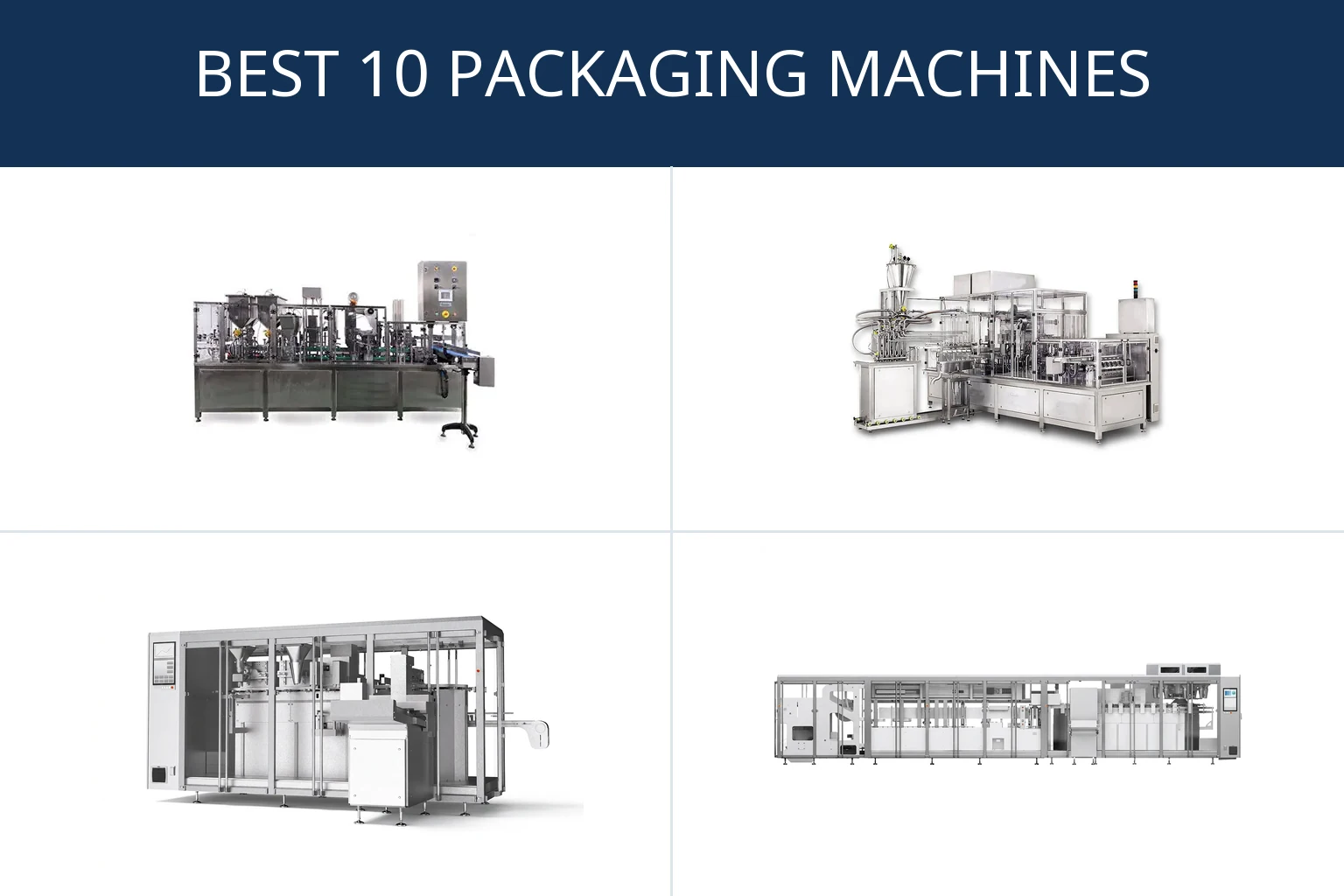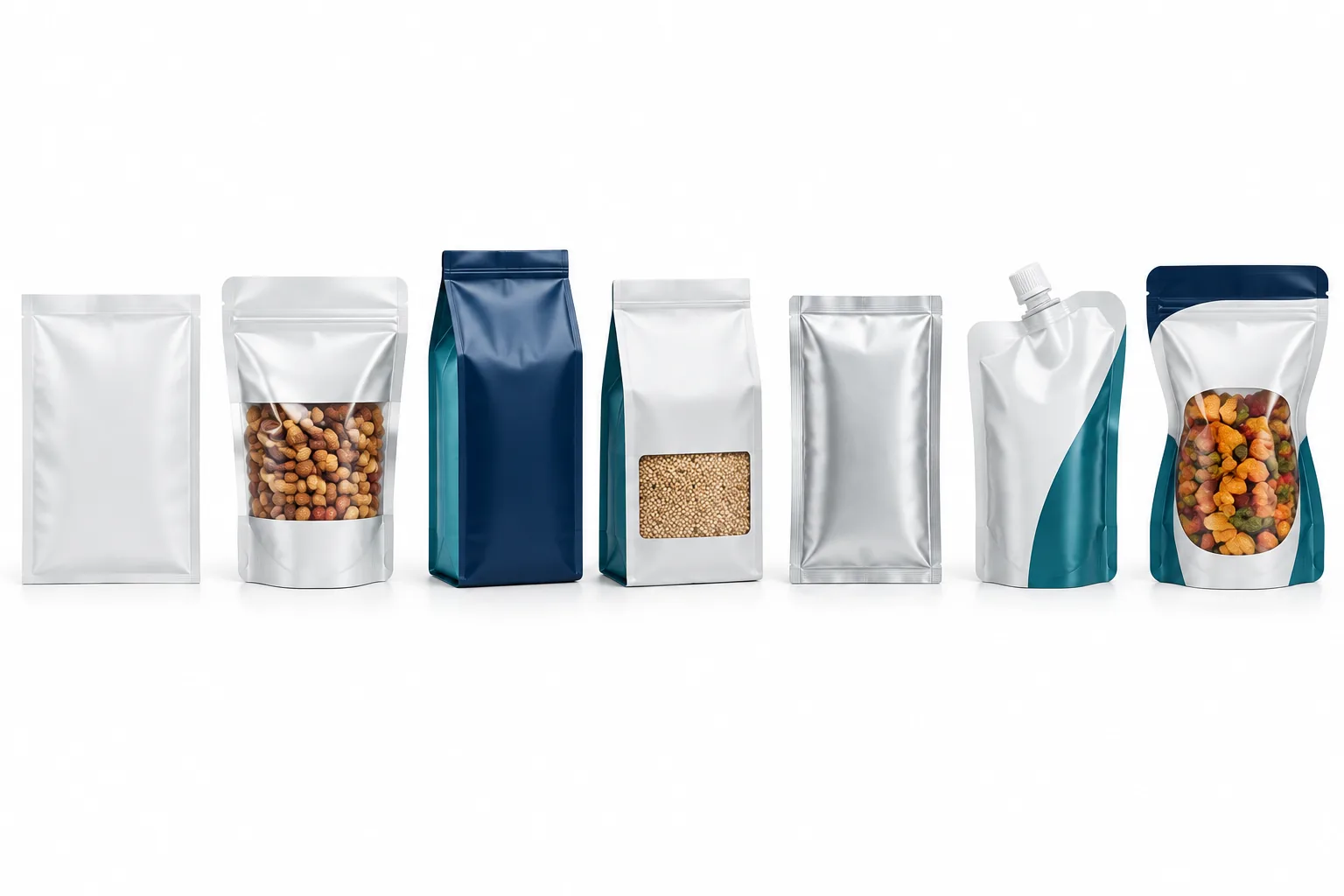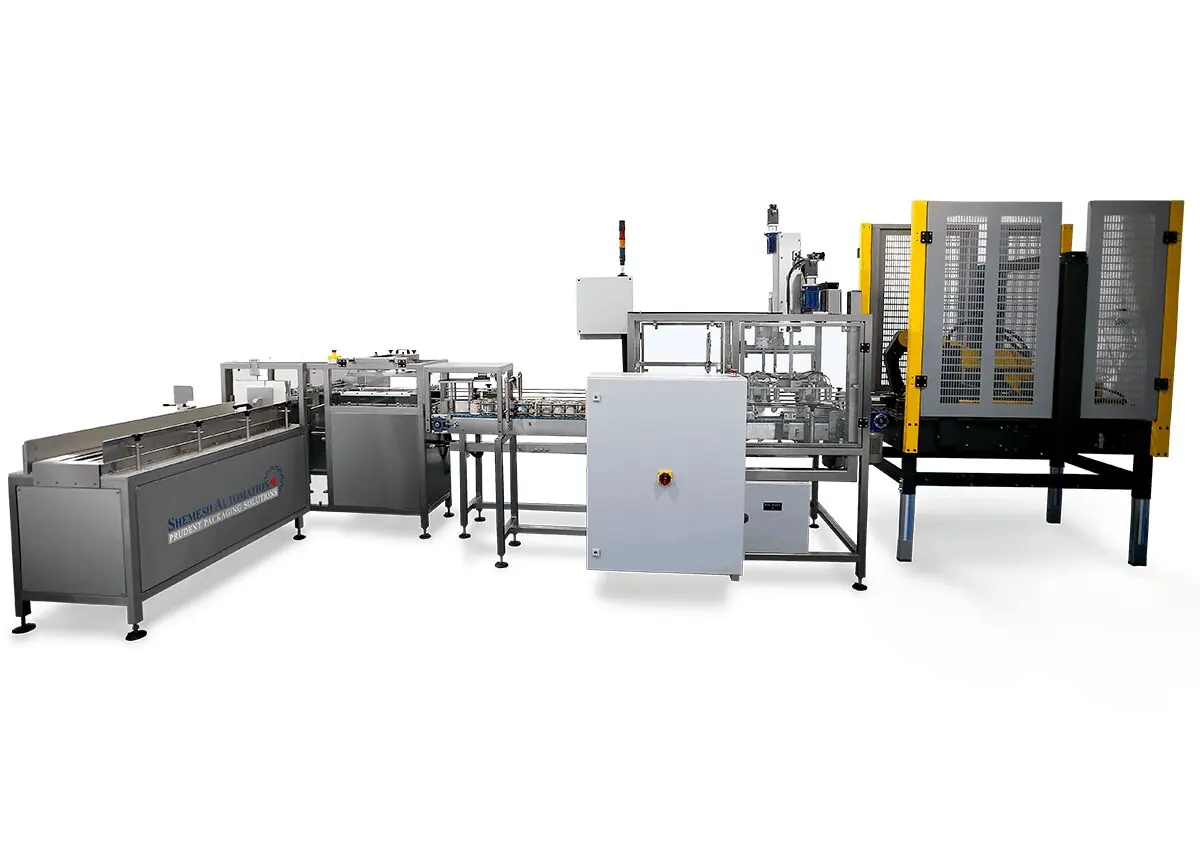
Start with the product and the finished pack
Which filling method fits each product and container? Start with what flows into the pack, what holds it and how often either changes. A paste in several cup sizes presents a different selection problem from a liquid going into one rigid container all day. Define product consistency, particulates, fill quantity, container geometry and closure before comparing equipment.
These five options are not interchangeable answers to the same problem. Some choices concern the cup-line layout; others concern how the dose is measured or delivered. Performance depends on product, format and configuration. Use the questions below to narrow the field, then test the proposed combination rather than selecting from a machine name alone.
When does pneumatic inline cup filling fit?
For pastes and frequent cup-size changes, pneumatic inline cup filling belongs on the shortlist. The important comparison is dosing and cleanup for each product, not simply whether the filler can move a paste. Ask: Does the product release cleanly into the cup, or does it string, mound or leave residue near the sealing area? Test the actual consistency and filling temperature. A successful trial with one paste does not establish suitability for a stickier or less uniform recipe.
What could make it the wrong fit? If higher output across multiple cup formats is the main driver, compare an inline servo arrangement too. For frequent changes, request a walkthrough covering cup handling, dose adjustment and the closure setup, not just the filler setting. Ask which product-contact areas need access during cleaning and how recipe changes will be checked. Include downstream sealing in the trial so an acceptable dose does not conceal a contaminated cup rim.
When should you consider inline servo cup filling?
For higher-output cup applications and multiple formats, inline servo cup filling is a relevant option. Choose lane count and sealing method for the actual pack. Ask: What output is required for each cup size, and can cup supply, product supply and downstream handling support the proposed configuration? Do not select lane count in isolation. A filling arrangement only makes sense when the rest of the line can feed it and clear finished packs consistently.
When might another arrangement fit better? Frequent short batches warrant a close comparison of changeover and cleaning work; steady production may also justify evaluating rotary cup filling. Ask how every proposed cup and lid combination will be handled, what changes between formats and how operators verify the setup. Confirm access for cleaning across the selected lanes. Require a trial with the intended sealing materials, because filling performance alone cannot confirm the finished pack.
When is rotary cup filling a sensible choice?
Rotary cup filling suits steady runs of liquid or other cup products when a compact rotary layout fits the format mix. Ask: Are the regular cup formats compatible with the proposed arrangement, and does the layout fit the available production area? Evaluate more than the equipment footprint. Operators still need workable routes for replenishing materials, removing finished packs and reaching areas that require cleaning or adjustment.
When may it not fit? A compact layout is not enough justification if the planned format mix creates awkward changeovers. Compare pneumatic inline cup filling for paste applications with frequent cup-size changes, or inline servo cup filling where higher output and multiple formats drive the decision. Ask for the changeover sequence between your most different cups. Confirm product dosing, closure requirements and the connections to upstream supply and downstream packing for each proposed format.
Which liquids should be evaluated for piston filling?
Liquid piston filling is an option for thin to viscous liquids, with dosing matched to particulates when present. Ask: How does the product behave at its actual filling temperature, and how much does that behavior vary between batches? For products containing pieces, provide representative samples and describe their size, concentration and fragility. A test with only the liquid portion cannot establish whether the complete product will dose acceptably.
When should you compare another method? For liquids in rigid containers, consider net-weight filling when measuring each dose by container weight is useful. With piston filling, ask how dose changes are made, how dispensing matches the container opening and how drips or splashes will be evaluated. Review the cleaning procedure for the complete product path, especially after particulate products. Include container positioning and transfer to closing equipment in the proposed line review.
When does net-weight filling fit rigid containers?
Net-weight filling is worth considering for liquids in rigid containers when measuring each dose by container weight is useful. Ask: Is weight the appropriate basis for controlling this fill, and how will the empty container weight be accounted for? Define the required fill acceptance criteria before evaluating the proposal. Compare piston filling using the same liquid, container and acceptance criteria rather than assuming either method will always perform better.
What could rule it out? If the pack is not a rigid container, this listed application does not establish suitability. Even with rigid packs, confirm how each container is supported, weighed and transferred. Ask how changes in container size and target fill are handled, how cleaning reaches the liquid-contact path and how surrounding line activity is addressed in the weighing arrangement. Trial the product as supplied, including any foaming or inconsistent flow that could affect the filling process.
What should your final selection checklist include?
Before committing, confirm: representative products and filling temperatures; particulate characteristics; every container and closure; fill acceptance criteria; required output by format; batch sizes and changeover frequency; cleaning requirements; and upstream and downstream interfaces. Request a documented changeover walkthrough and identify what the operator must adjust, replace, clean and verify.
Pure Packaging Solutions engineers, specifies, supplies and integrates packaging equipment in the United States and Canada. A product and pack trial is needed to confirm suitability. Use actual product, containers and closure materials, and agree on acceptance criteria beforehand. The best choice is the one that meets those criteria within your real production mix, not a universal winner.