1. What production problem are you actually buying your way out of?
Start at the line, not with a request for machine pricing. Watch several production runs, including startup, replenishment and recovery after a stop. Identify whether output is constrained by manual handling, inconsistent product presentation, frequent adjustments or insufficient capacity at one operation. Automating the most visible task does not necessarily improve finished, saleable output.
Write a short operating requirement that names the problem and the desired outcome. For example, reducing repetitive case loading is different from increasing line throughput. Record current staffing by task, typical stoppage causes, scrap sources and the production schedule. Separate observations from assumptions so suppliers know what they must demonstrate rather than merely accommodate in a proposal.
2. Which products and packages will expose the limits?
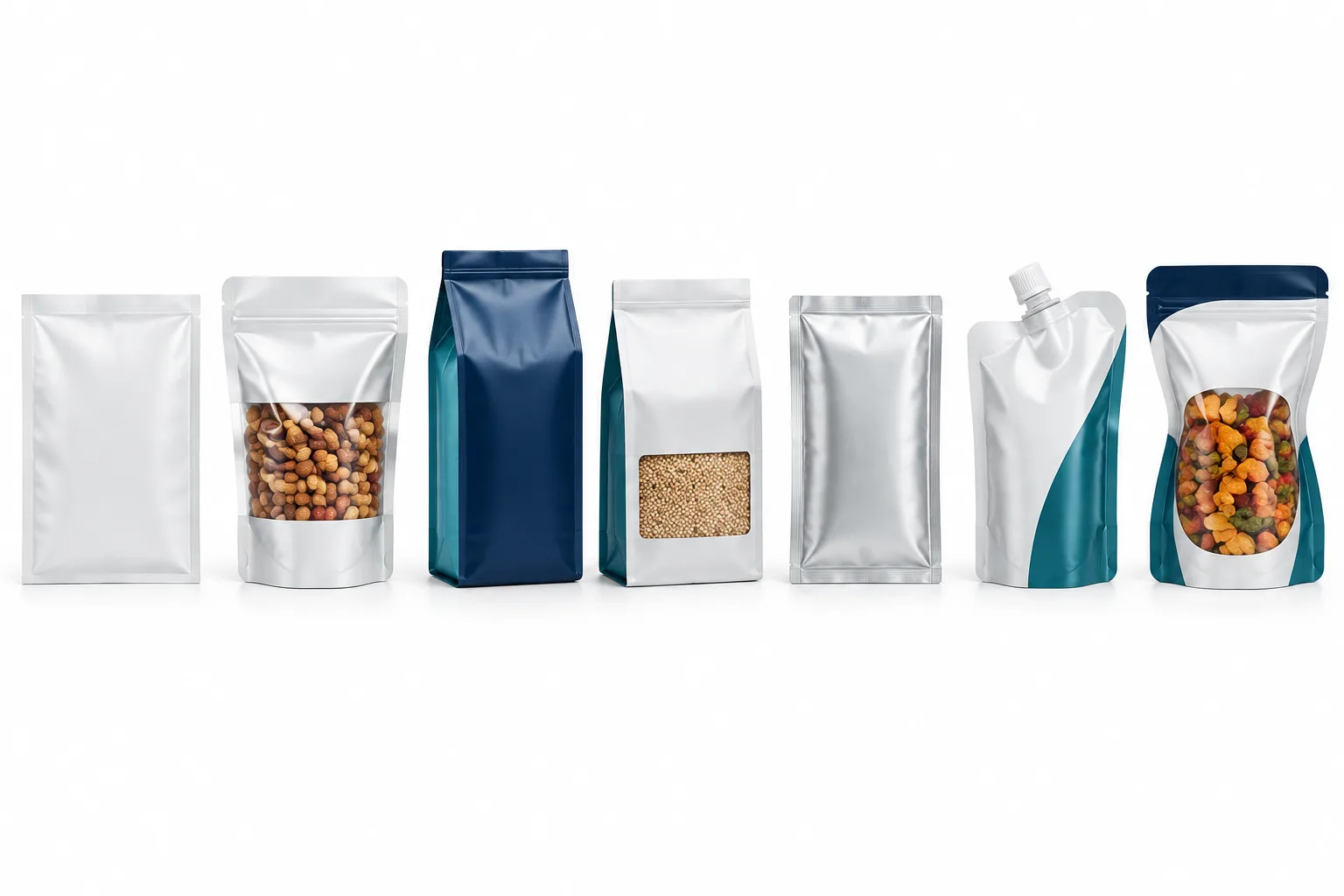
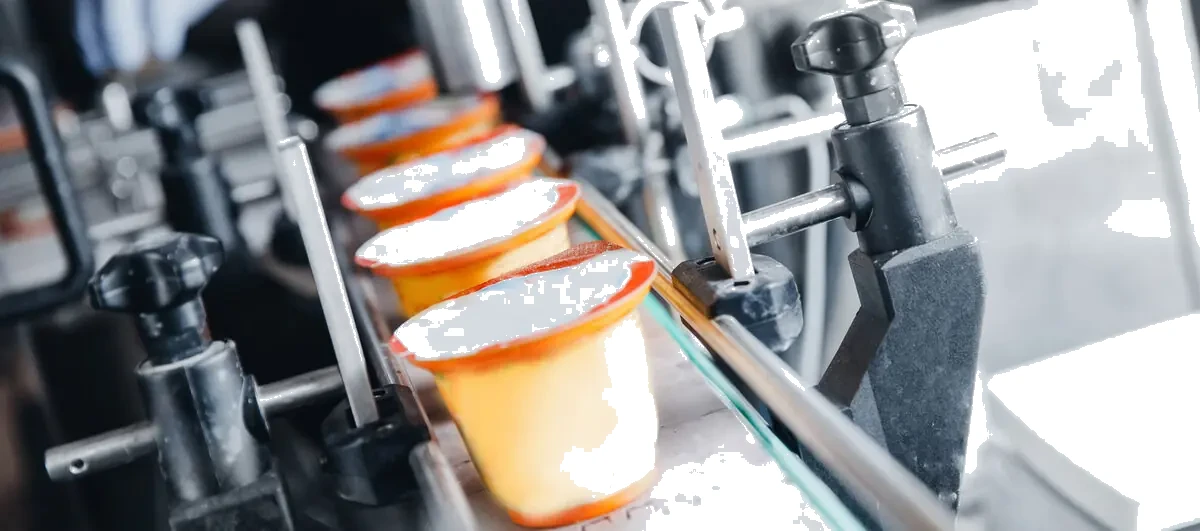
Build an application matrix before comparing equipment. Include package dimensions, filled weight, material, closure style, label requirements and relevant product behavior. Flexible pouches, unstable bottles and cartons with variable stiffness create different handling problems. For food and dairy applications, temperature and condensation can affect gripping and conveying. Personal care products may introduce slippery surfaces or containers that mark easily.
Choose trial samples that represent difficult conditions, not just the easiest SKU. Supply actual production materials where possible, including realistic variation between lots. Ask suppliers to document sample condition and any adjustments made during testing. If pharmaceutical or other controlled applications require traceability, inspection records or validation support, define those deliverables before quotations are compared.
3. Will the proposed machine work as part of your line?
A machine’s standalone capability is only part of the decision. Review how product enters, accumulates and transfers to the next operation. Establish what happens when upstream equipment stops, downstream equipment backs up or an inspection device rejects a package. Buffering can absorb short interruptions, but it cannot correct a persistent capacity imbalance.
Walk the proposed layout with operations, maintenance, sanitation and safety personnel. Check replenishment access, guard opening space, removal routes for major components and utility connections under operating demand. Identify who owns conveyor transitions, control interfaces and line restart logic. For installations in the United States or Canada, have qualified personnel confirm applicable electrical, machinery safety and site requirements. Do not assume that a supplier’s standard design resolves every local obligation.
4. Can your team run, clean and change it without workarounds?
Evaluate routine work as carefully as automatic operation. Ask an operator to follow a proposed changeover sequence, including emptying the machine, exchanging parts, selecting recipes and verifying the first acceptable packages. Tool access, adjustment references and error prevention matter more than a demonstration performed by someone who knows every setting.
Match cleanability to the actual sanitation procedure. Determine which surfaces contact product, where debris or liquid can collect and which components require removal. Maintenance should also review wear parts, lubrication access, troubleshooting information and spare parts availability. Include training, installation labor, format tooling and expected consumables in the ownership comparison, not just the purchase price.
5. What must be answered before you release the purchase order?
Buyer’s review checklist
Use these questions in a joint review with the supplier and the plant team. Assign an owner to each unresolved item and put agreed answers into the purchase documents.
- Which products, packaging materials and operating conditions are included in the guaranteed scope, and which are excluded?
- What trial evidence shows acceptable package quality and sustained operation with representative materials?
- Who supplies and commissions each conveyor, utility connection, inspection interface and controls connection?
- How will operators demonstrate changeover, cleaning, replenishment and safe recovery from common faults?
- What documentation, training, spare parts and remote support provisions must be available before handover?
- What factory and site acceptance criteria apply, and how will unresolved deficiencies be corrected and retested?
6. What will count as acceptance on your production floor?
Define acceptance while there is still time to change the design. Agree on test materials, operating conditions, duration, staffing assumptions and acceptable package quality. Specify how stops, rejects and interventions will be recorded. Include representative changeovers and fault recovery, not simply a continuous run with one favorable format.
Factory testing should uncover design and setup issues before shipment. Site testing must also address real utilities, connected equipment and plant procedures. Reserve production materials and staff time for both. If you are preparing an inquiry, visit the Pure Packaging Solutions Packaging Automation page at /solutions to request a quote, with your application matrix and acceptance priorities attached.