The tray format carries the product story
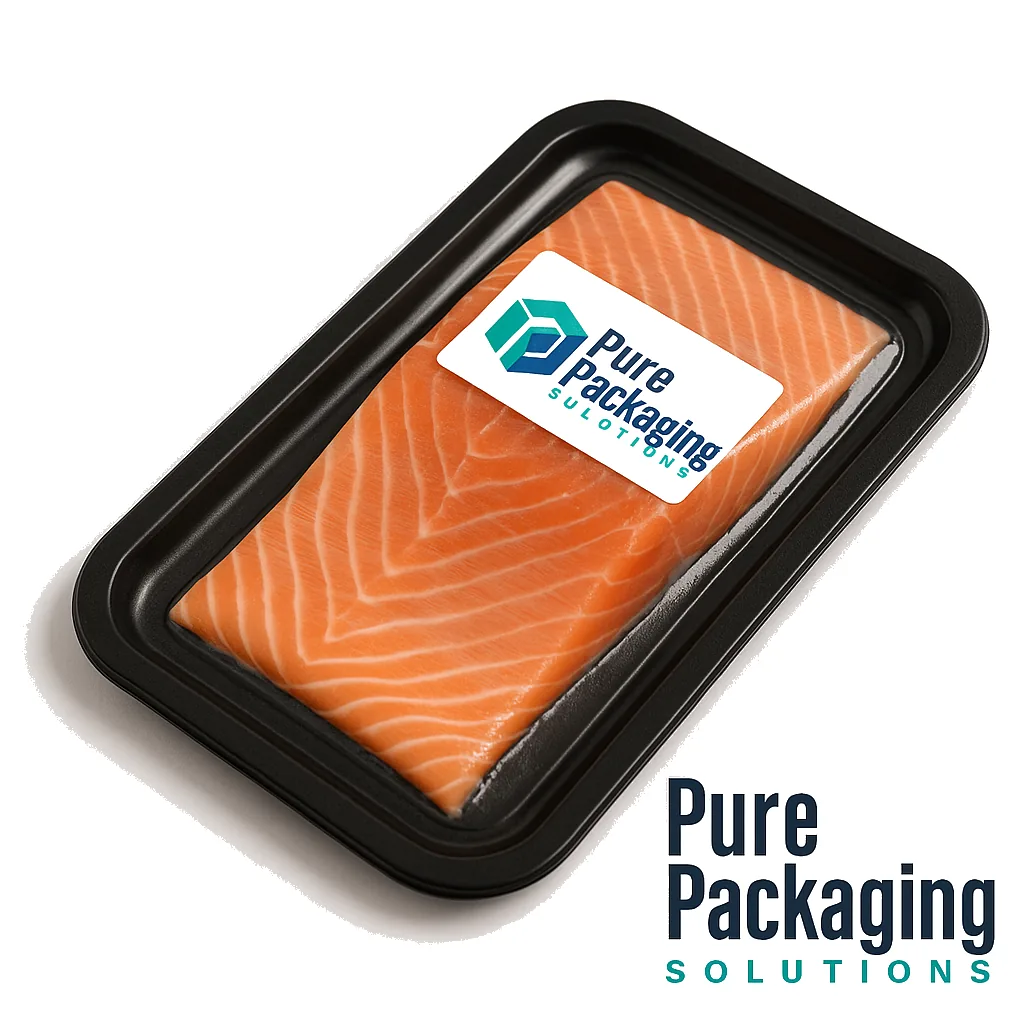
Ready meals, fresh proteins, produce and prepared foods rely on the tray to protect appearance and control the buying experience. The tray shape, film type and seal profile need to be chosen together.
A good tray sealing project starts with the product, not the machine footprint. Product height, liquid migration, tray rigidity and shelf presentation all influence tooling and handling.
MAP performance depends on the complete process
Modified atmosphere packaging can help protect quality when the product, film, tray and gas mix are aligned. If any one of those pieces is wrong, the equipment cannot solve the entire shelf life problem by itself.
That makes upstream loading, seal cleanliness and downstream inspection important parts of the same conversation.
Automation choices should protect seal quality
Tray denesting, product loading and indexing must be stable enough to keep the tray in the right position before sealing. Small tray movement can become a larger quality issue at production speed.
The right sealer layout gives operators access for cleaning and changeover while keeping the critical seal area controlled.
Plan inspection from the beginning
Leak checks, label placement, coding, checkweighing and X ray inspection are easier to integrate when they are planned before the sealer is installed.
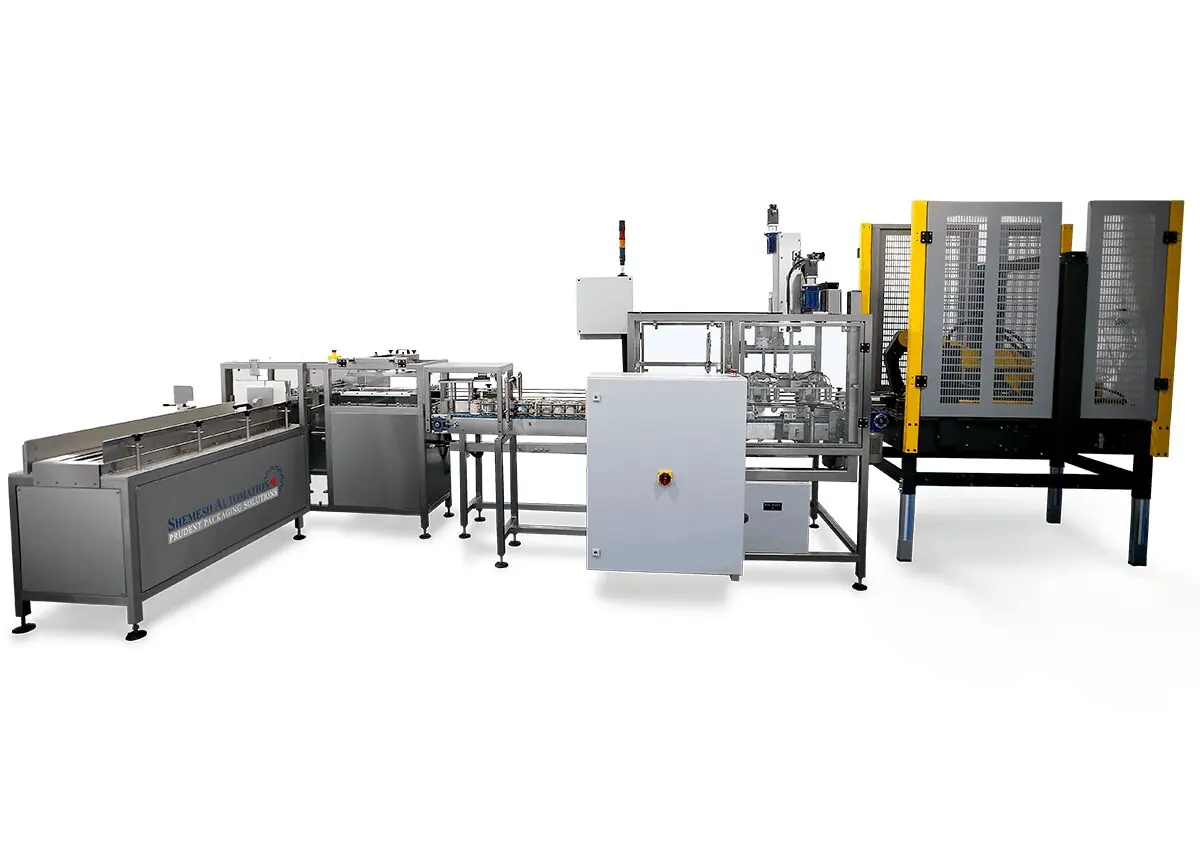
Pure helps define the full tray line so the finished package leaves the cell ready for case packing or palletizing.