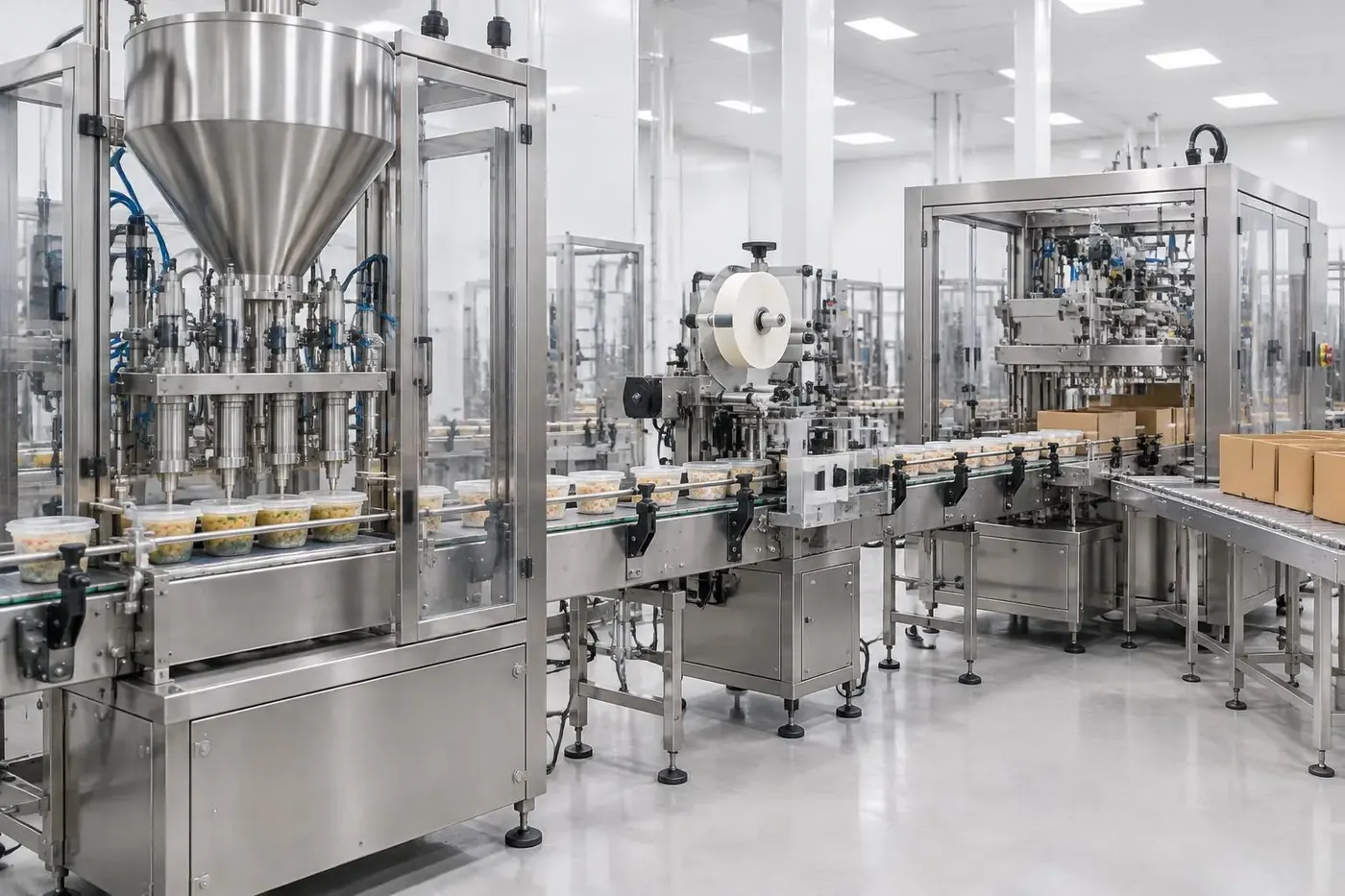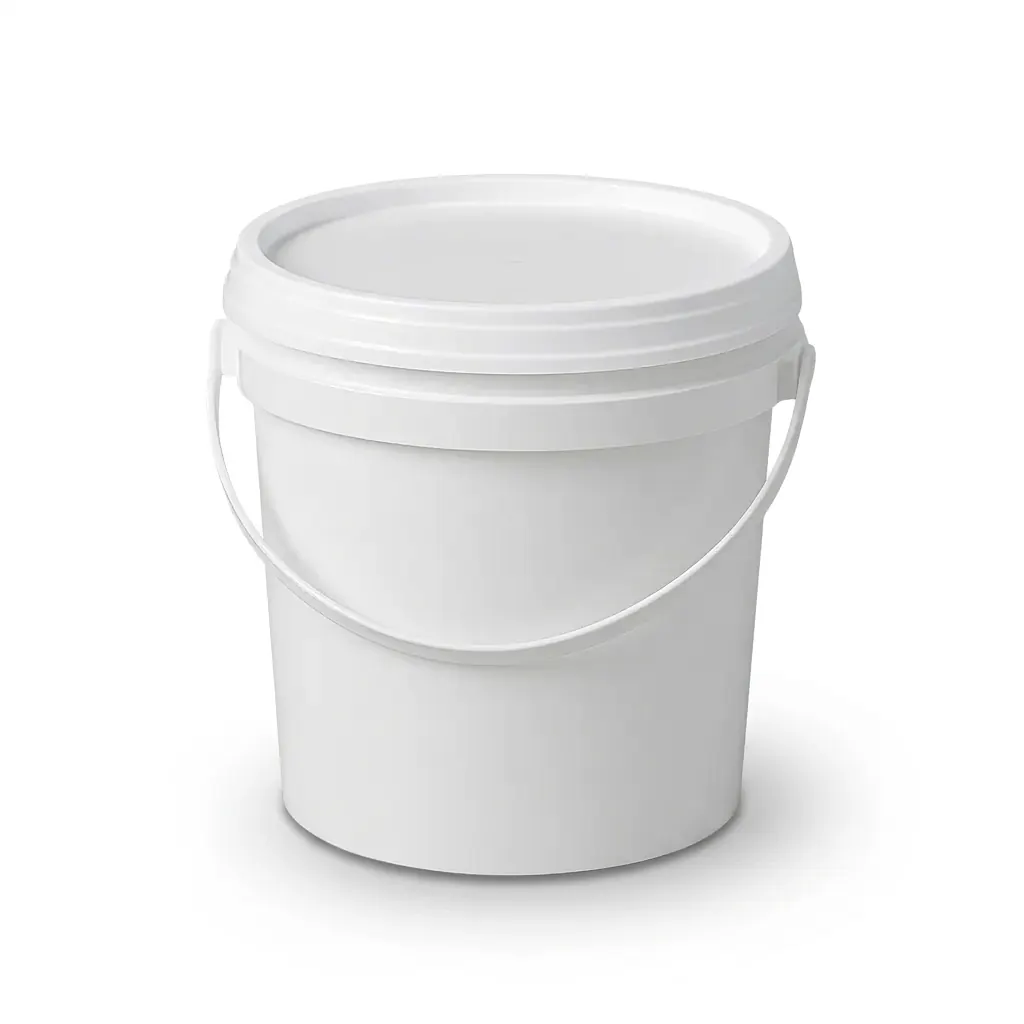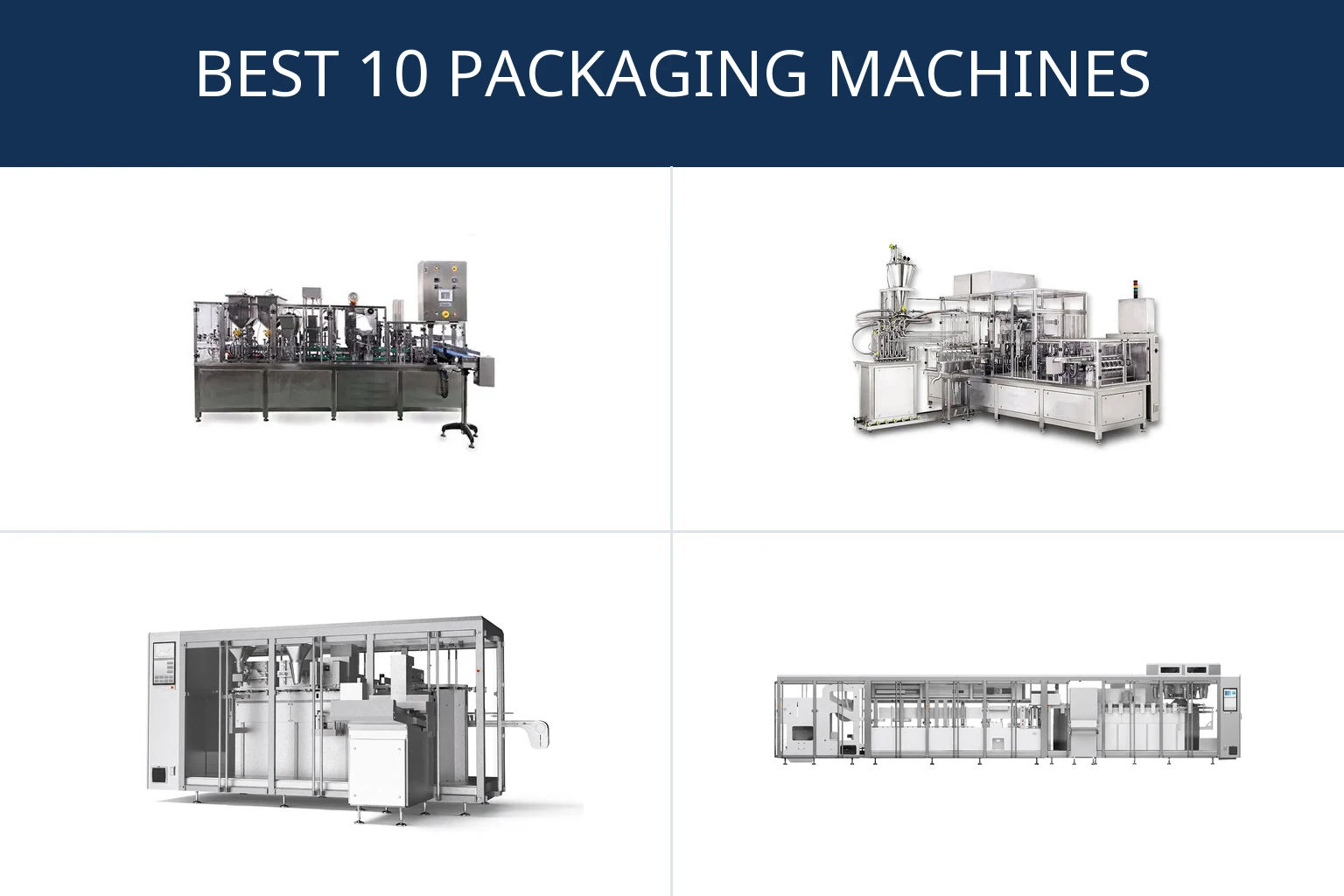
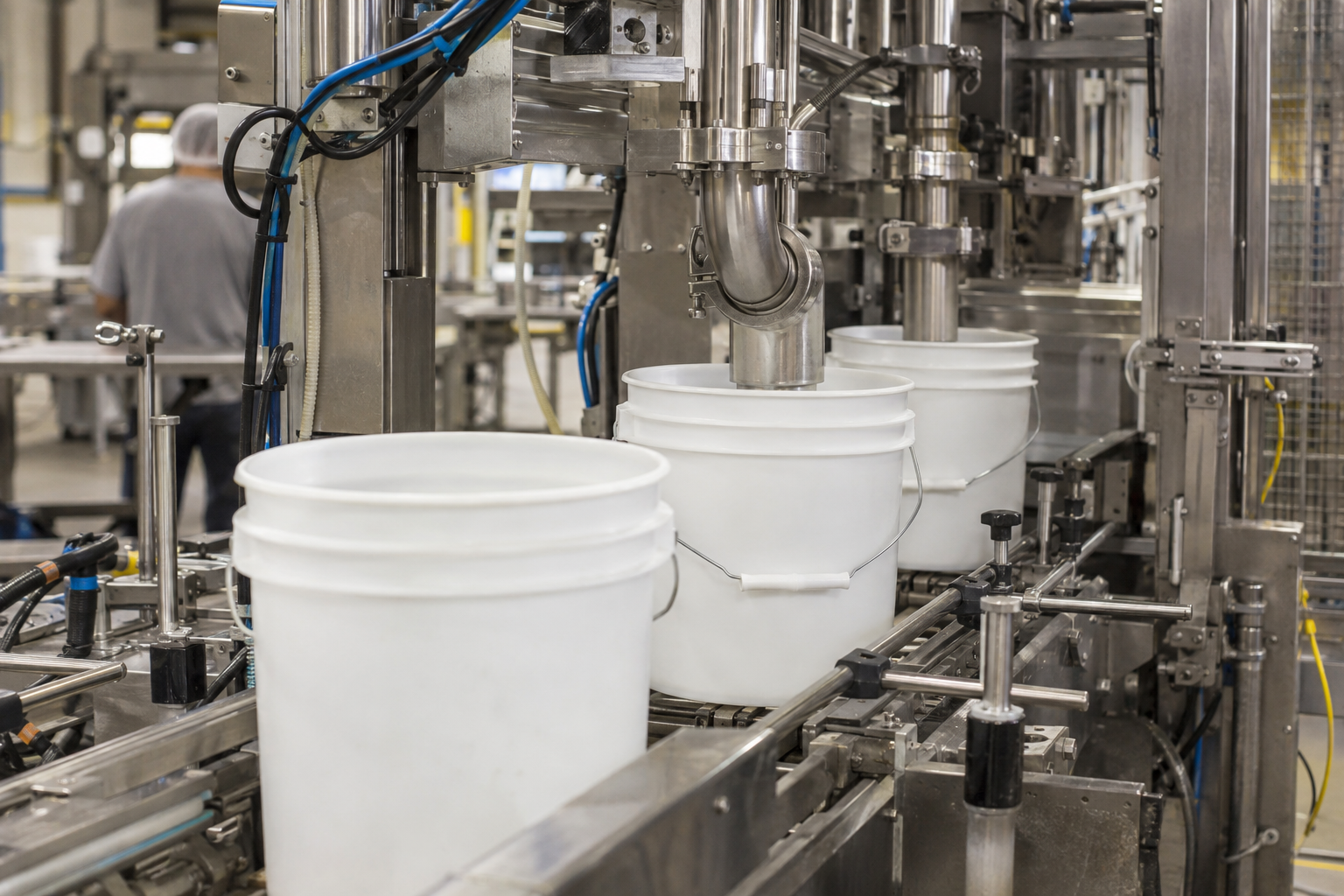
Where should you start when selecting a bucket and pail filling line?
Start with what must leave the line: a defined quantity of your product in a specific container, with the required seal and lid. Then work backward through dosing, container handling and closure. These four equipment categories address different jobs, so they are not always direct substitutes. Performance depends on the product, pack format and configuration, not simply the equipment category.
Q: When does a bucket and pail filling machine fit the application?
A: It fits when foodservice or bulk packaging needs container handling, bulk filling, lid placing and lid pressing in a coordinated process. Optional weight verification is worth discussing when you need a check on filled-pack weight. Ask what is weighed, how the container tare is accounted for and what happens after an out-of-tolerance result. Verification should not be confused with the dosing method or assumed to include automatic correction. Bring representative pails and lids, because closure fit and container stability need evaluation with the actual packaging.
Q: When might this approach be insufficient or unnecessarily broad? A: A lid-placing and pressing process does not, by itself, establish a foil-sealing step. Conversely, a site that only needs a separate sealing operation may not need the full handling and filling scope. Ask which adjustments or parts are required between container sizes, how product-contact areas are accessed for cleaning and how containers enter and leave the line. Define the upstream product supply and downstream handling responsibilities, including what happens when either side stops.
Q: When should liquid piston filling be considered for the dosing step?
A: Consider it for thin to viscous liquids, with dosing matched to any particulates present. It addresses the product-metering question rather than the complete bucket handling and closure sequence. Describe the product at its actual filling temperature, not just by its recipe name. Does it flow freely, change consistency during a batch or contain pieces that must remain intact? Ask how the proposed dosing arrangement will accommodate those conditions. A smooth liquid and a sauce containing pieces should not be treated as equivalent applications without a trial.
Q: What could rule it out, and what should changeover cover? A: If trials cannot establish acceptable dosing and product integrity across your operating conditions, reconsider the dosing approach rather than forcing the product to fit it. Ask how the product path is emptied, accessed and cleaned between recipes, especially when allergens are involved. For format changes, confirm how the dose is set and checked and how the filling position matches the container. Integration discussions should cover product supply, container readiness and the controls needed to coordinate dosing with the rest of the line.
Q: When is a canister sealer relevant to a bucket or bulk-container project?
A: Consider this application when the pack calls for foil laminate sealed onto a canister or container by conduction before capping. That is a different closure task from simply placing and pressing a lid. Do not assume every pail is suitable because it is a container. Ask whether the proposed container rim and foil laminate are compatible with the sealing process, and define how seal acceptance will be assessed. The discussion should start with actual packaging samples and the required finished closure, not a general request for a sealed pack.
Q: When might it not fit, and how does it affect the line? A: It may not fit if the pack does not require foil laminate or if the selected materials cannot produce an acceptable seal in trials. Filling, sealing and capping must be considered as separate process steps with a clear handoff between them. Ask how splashes or residue on the rim will be prevented or addressed, what changes between container diameters and how sealing surfaces are accessed for cleaning. Confirm where capping occurs and how interruptions between these operations are managed.
Q: When should a semi automatic sealer be compared with an integrated line?
A: Consider it when evaluating a separate sealing operation for trays, cups, containers, jars or buckets. Its stated scope is one to four packs per cycle, which is not a production rate. Actual output depends on the product, format, configuration and work sequence around the sealer. Ask which of your packs can be accommodated and what determines the number handled per cycle. This option deserves a look when sealing is the immediate requirement, but it should not be treated as a substitute for product filling, container handling or lid pressing.
Q: What could make it a poor match? A: A process needing tightly coordinated flow may be poorly served if the proposed operating arrangement cannot keep pace with adjacent tasks. Establish who loads, starts the cycle and removes packs rather than assuming the division of work. Ask what tooling or adjustments each format requires, how contact surfaces are cleaned and where filled containers wait before sealing. Compare the complete work sequence with an integrated arrangement, including space for staging and inspection. The better choice is the one that suits the actual operation, not the one with the most automation.
Final selection checklist: What should you confirm before committing?
Confirm these items: product consistency and filling temperature; particulate characteristics; fill quantity and acceptance limits; container, lid and foil samples where applicable; required closure sequence; cleaning and allergen procedures; format-change requirements; operator tasks; available space and utilities; and upstream and downstream interfaces. Set a required output for evaluation, but do not infer achievable performance from a machine category or packs-per-cycle figure.
Pure Packaging Solutions engineers, specifies, supplies and integrates packaging equipment in the United States and Canada. Before final selection, a product and pack trial is needed to confirm suitability. Agree on acceptance criteria first, then evaluate dosing, handling and closure quality under representative conditions, including the products and formats most likely to expose limitations.