1. Start With the Pouch and Product Together
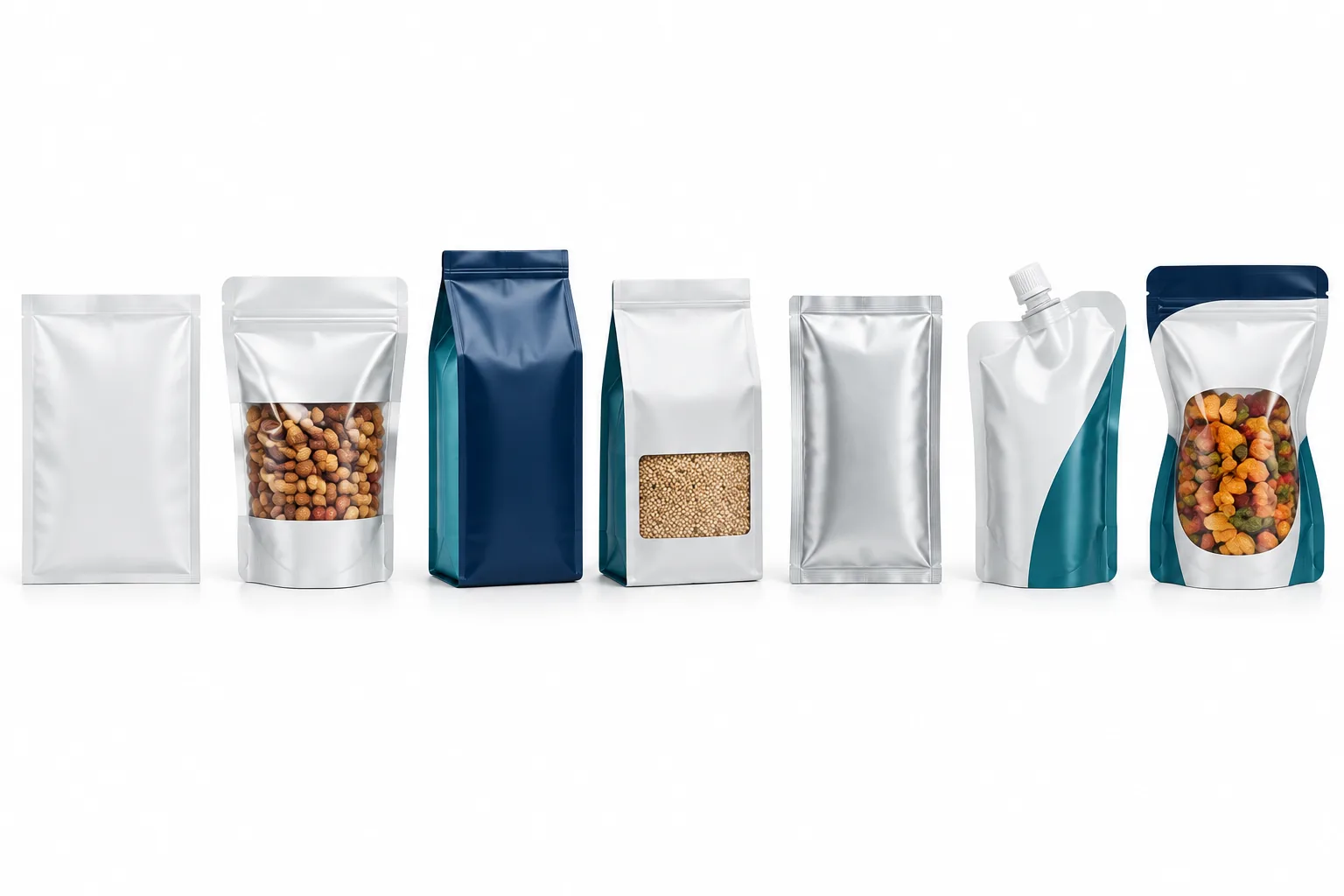
A premade pouch machine has to pick up, open, support, fill and seal a flexible package that may behave differently from one material lot to another. Before comparing equipment, define the actual pouch construction, dimensions, closure features and intended fill range. Include representative samples, not just a drawing. Zippers, gussets, surface finishes and laminate stiffness can affect how consistently a pouch feeds and opens.
Then describe the product as it behaves on the production floor. A powder may become less free flowing after storage. A viscous personal care product may change with temperature, while a food containing particulates may bridge or separate during transfer. Document these conditions and supply representative trial material. The evaluation should establish whether the pouch and filling method work together under normal variation, not simply whether one clean sample can be filled.
2. Protect the Seal Area During Filling
Filling accuracy matters, but so does where the product goes. Dust, splashes, strings of viscous material and trapped particles can contaminate the seal area. Review nozzle position, cutoff behavior, pouch support and the available space above the product. Where suitable, dust control, settling or a different filling sequence may help. These measures need trials because an adjustment that improves cleanliness can also affect cycle time or product presentation.
Define the seal acceptance criteria before the trial. Visual appearance alone does not establish package integrity. Select inspection and testing methods appropriate to the laminate, contents, distribution conditions and quality requirements. Establish a sealing process window using the pouch supplier's guidance and equipment trials, including temperature, pressure and dwell considerations. For food, dairy and pharmaceutical applications, involve quality personnel early so the test plan supports the site's applicable controls and validation requirements.
3. Evaluate the Whole Line, Including Stops
A pouch machine cannot maintain consistent production if the filler is starved or finished packages have nowhere to go. Map the interfaces with product supply, conveyors, inspection equipment and secondary packaging. Identify who controls each transfer and what happens when any device stops. Confirm the required utilities at the installation point, including their condition during periods when other plant equipment is also drawing from the supply.
Pay particular attention to stop and restart behavior. Ask how the system detects an unopened pouch, prevents filling without a correctly positioned package and handles partially processed pouches. Determine how rejects are identified and removed without reentering acceptable production. For heated, chilled or otherwise sensitive products, review the consequences of extended holds. A machine demonstration should include controlled interruptions, not only a continuous run with everything working correctly.
4. Make Changeovers and Cleaning Part of the Design
Build a product and pouch matrix before deciding which formats belong on one system. Group applications by pouch geometry, filling method, cleaning needs and closure requirements. Some differences can be managed through recipes and adjustments; others may require change parts or separate product contact assemblies. Ask operators and maintenance personnel to review access, lifting tasks, adjustment points and the storage of removed parts. Their observations often reveal work that a layout drawing misses.
Cleaning requirements must match the product hazards and the plant's sanitation program. Dry powders, dairy products and personal care formulations do not necessarily suit the same cleaning approach. Review product contact surfaces, disassembly, drainage where relevant, and protection of components during cleaning. Establish how cleaning effectiveness will be verified. Record the complete changeover sequence, including clearance, cleaning, setup and first acceptable production, rather than treating mechanical adjustment as the entire changeover.
5. Turn Trials Into Clear Acceptance Requirements
Write the acceptance plan around the operating risks identified above. Specify the pouch formats, representative products, fill conditions, test methods and responsibilities. Include challenging combinations within the intended operating range, along with replenishment, changeovers and recovery from faults. Agree on how output and downtime will be recorded and how package quality will be assessed. Any trial limitation, such as substitute product or unavailable pouch material, should remain visible as an unresolved risk.
Use the results to finalize operator training, preventive maintenance, spare parts and startup support. Keep approved settings and troubleshooting guidance accessible at the line, with a controlled process for changes. Manufacturers in the United States and Canada can visit the [Premade Pouch Packaging page](/solutions#premade-pouch-packaging) at Pure Packaging Solutions and request a quote with their pouch samples, product characteristics and acceptance requirements. A well defined application makes that discussion more useful and the eventual equipment decision easier to defend.