Growth changes the weak point of the line
A team can often hand pack cases while volumes are modest. As orders grow, the same step may become the point where staffing, fatigue and inconsistent rhythm limit the entire line.
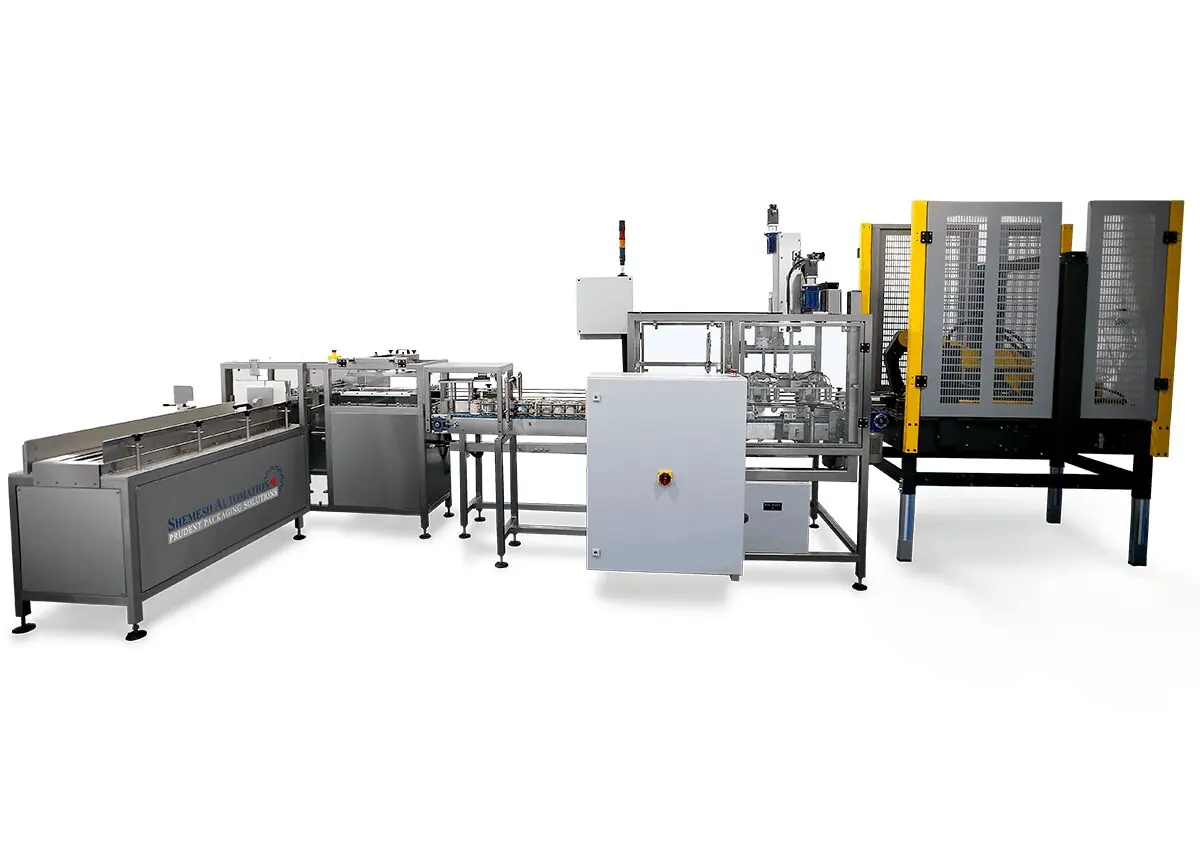
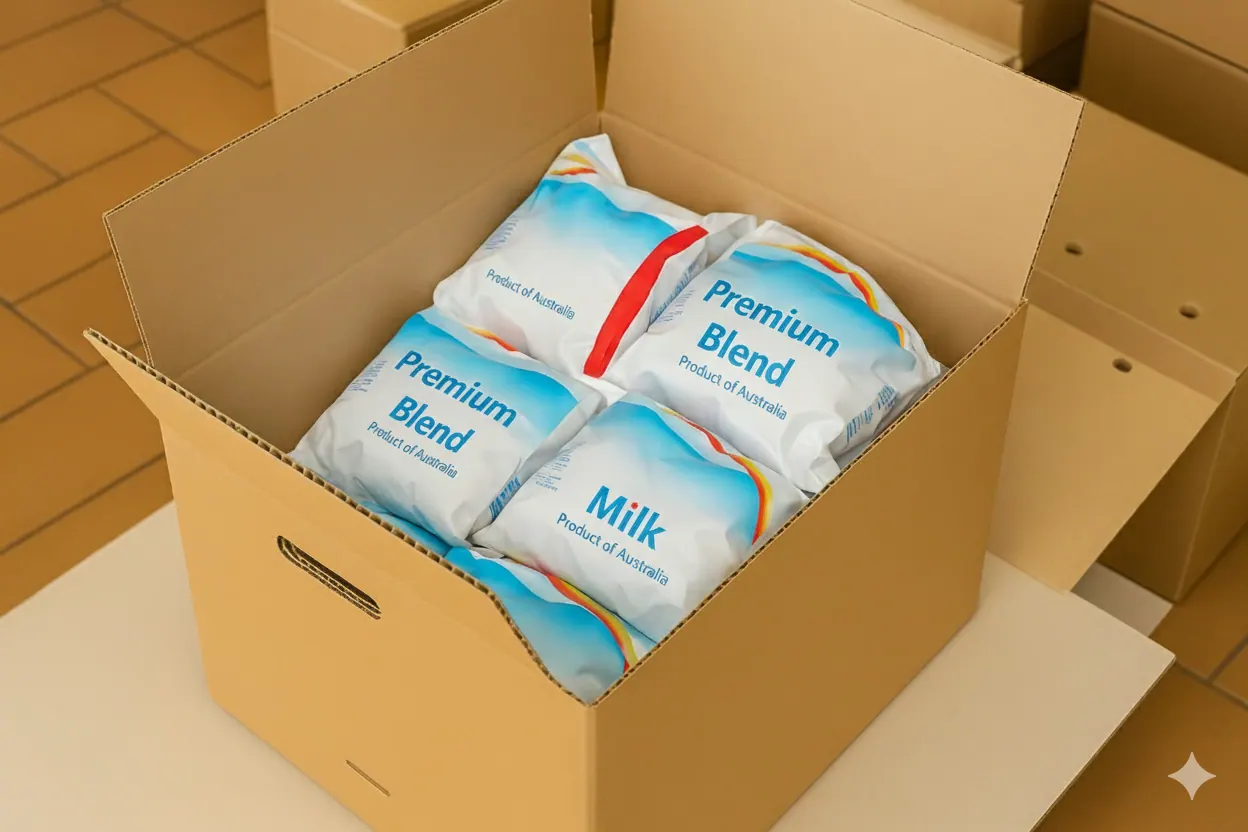
Case packing automation gives the plant a more predictable way to move finished packs into shipping cases.
It helps protect people and product
Repeated case loading can be hard on operators, especially when packs are heavy, awkward or fast moving. Automation can reduce repetitive reaching and make the work around the line more controlled.
It can also reduce rough handling of finished packages when the grouping and loading motion is matched to the pack.
SKU variety should be planned early
Many growing food producers add flavors, pack counts, display cases and club formats. Those changes affect collation, case size, labels, prints and pallet patterns.
A good end of line plan leaves room for the variety the brand expects next, not only the one format running today.
Start with a focused savings model
Labor savings, reduced rework, less overtime and steadier throughput can all support the case for automation. The most useful estimate uses the plant's own shifts, rates and output goals.
That practical estimate can guide whether a mechanical packer, robotic loader or staged upgrade makes the most sense.