Start With the Product and Case, Not the Machine
Before comparing case packers, build a product and case matrix. Include container dimensions, filled weight, pack pattern, case style and the condition of the product when it reaches the packer. A bottle arriving wet from a filling area presents a different handling problem from the same bottle tested dry on a supplier's floor.
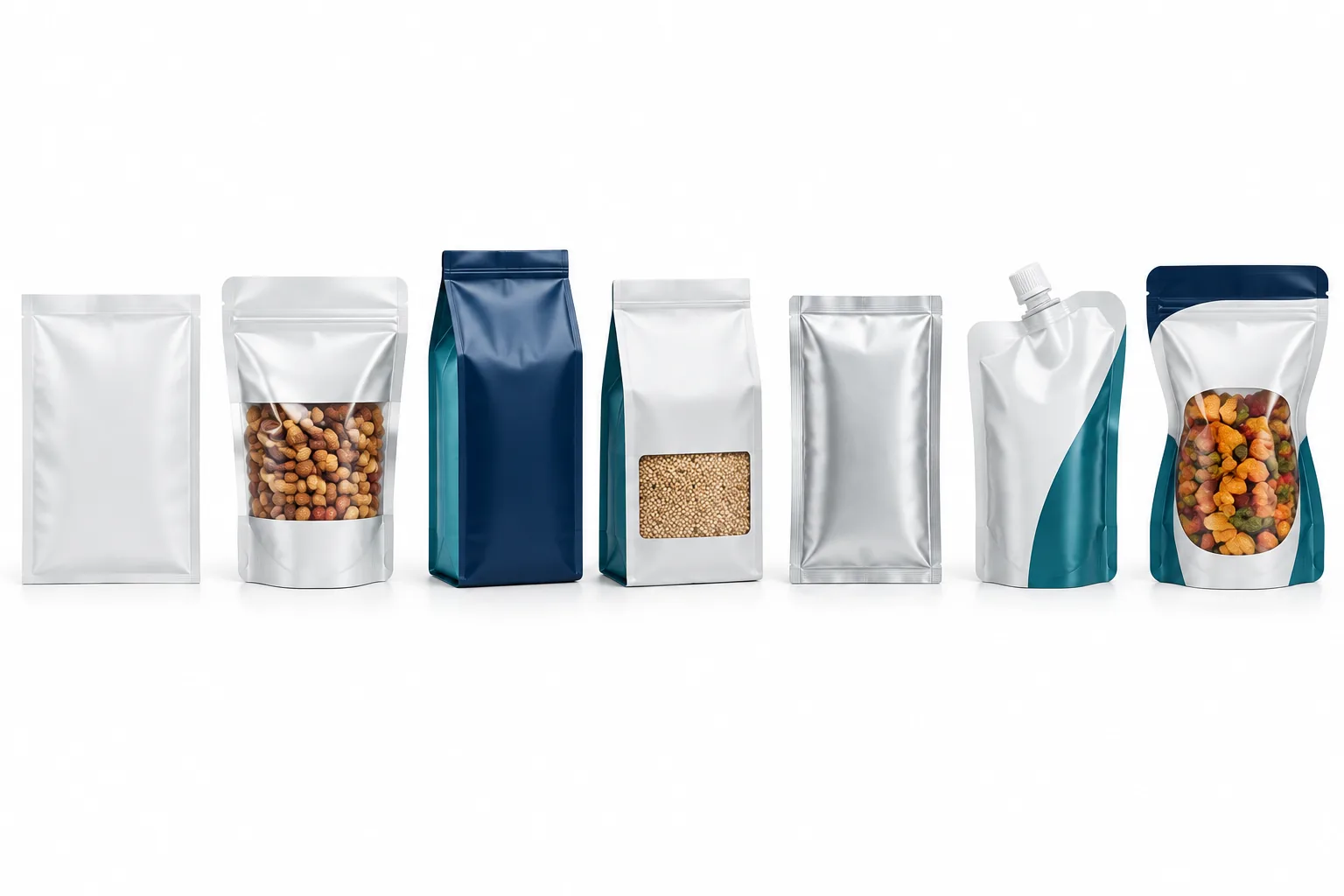
Identify the combinations most likely to cause trouble. These may include tall containers with narrow bases, flexible pouches that settle unevenly, cartons with easily marked surfaces or cases with limited loading clearance. Supply representative materials for evaluation, including samples that reflect normal variation rather than only ideal production.
Check the package as a complete assembly. Dividers, inserts, closures and label positions can affect how products are gripped, grouped and released. If a proposed loading method requires a packaging change, involve packaging development and quality early. A machine should not be selected around a case design that has not been approved.
Match the Loading Method to Handling Risks
Top loading, side loading, drop packing and robotic handling each solve different problems. Start with product orientation and allowable contact, then consider flexibility and layout. The right approach depends on whether the package tolerates compression, sliding, gripping or a controlled drop, and whether the required case pattern can be formed reliably.
Ask the supplier to explain the entire handling sequence. Where does the product stop? How is the group formed? What keeps containers stable during transfer? For vacuum tooling, assess the available pickup surface and the effects of moisture or surface variation. For mechanical gripping, examine contact pressure and clearance around closures and labels.
Watch the release into the case, not just the pickup. A successful transfer can still leave tilted containers, trapped pouch seals or damaged cartons. Trials should include inspection after packing and, where relevant, after downstream handling. Damage that becomes visible later is still a loading concern.
Engineer the Interfaces and Recovery Sequence
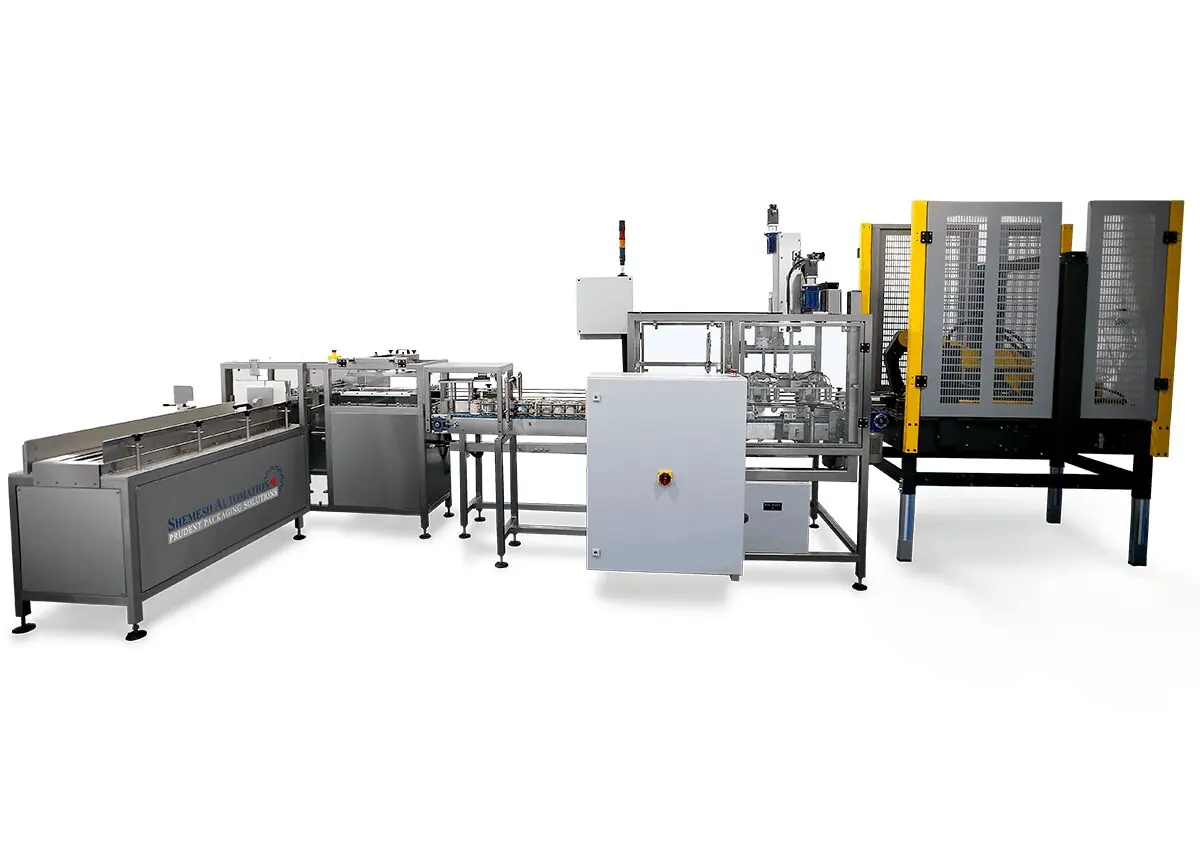
Treat the case packer as part of a line rather than an isolated asset. Map product arrival, case supply, discharge and reject paths. Confirm conveyor elevations, transfer gaps, accumulation space and access for material replenishment. Include the case erector, sealer and downstream equipment when reviewing the layout.
Define how adjacent machines communicate ready, blocked, starved and fault conditions. Accumulation should absorb an agreed interruption without creating excessive product pressure or hiding persistent problems upstream. Its useful capacity depends on product stability and conveyor behavior, not simply the available floor area.
Walk through recovery scenarios with operations and controls personnel. Consider a missing product, an incomplete group, a malformed case and a stop during loading. Establish what happens to uncertain packs and how the operator resumes production safely. For pharmaceutical applications or other controlled processes, confirm any required reject verification and reconciliation with the site's quality team.
Design Changeovers and Access for the Actual Crew
A changeover is more than selecting a recipe. List every physical adjustment, change part, tooling swap and inspection required between formats. Distinguish settings that can be stored from adjustments that still depend on operator judgment. Clearly identified parts and repeatable locating features reduce opportunities for incorrect assembly.
Review the work with the people who will perform it. Can they reach adjustment points without awkward lifting? Is there room to remove tooling and store it without damage? Include cleaning access, inspection of wear components and safe jam clearance. Maintenance access should not depend on moving neighboring equipment.
Set cleaning requirements according to the application. Dairy and food environments may require attention to moisture, drainage and residue collection, while personal care products may introduce leakage or fragrance concerns. Agree on cleaning methods and compatible materials before finalizing the machine design, rather than assuming one construction approach suits every area.
Make Acceptance Testing Reflect Production
Write acceptance criteria before placing the order. Define representative formats, material condition, run duration, staffing assumptions and acceptable pack quality. Include changeovers and fault recovery alongside continuous operation. State how stops will be recorded so equipment faults can be distinguished from material shortages or upstream interruptions.
Use factory testing to resolve handling and controls issues, then verify the installed system under site conditions. Keep an open issue list with owners and closure requirements. For help scoping an application, review the [Case Packing Systems page](/solutions#case-packing-systems) from Pure Packaging Solutions and request a quote with your product matrix, case drawings and line constraints.