1. Start With the Product at the Filling Nozzle
A cup filler handles the product that reaches its nozzle, not the product described on a formulation sheet. Temperature, viscosity, entrained air and particle distribution can change during transfer and holding. Before evaluating equipment, document the conditions expected during normal production, startup and extended stops. Include every intended formulation, particularly products with pieces, foaming behavior, stringing or a tendency to separate.
Use those conditions to evaluate the dosing method and product path. A smooth lotion, cultured dairy product and chunky food may need different pump arrangements, valve geometries and nozzle actions. Ask how the proposed system controls dripping and product tails, because material on the cup rim can become a sealing problem. Trials should examine fill consistency throughout the run, not just a few cups after an operator has adjusted the settings.
Define the fill acceptance criteria clearly. Net contents, headspace and appearance are separate requirements. When a volumetric system is checked by weight, account for density changes rather than assuming a stable relationship. Also examine the remaining product in the hopper and piping at batch end, especially when product value or frequent formulation changes make recovery important.
2. Treat the Cup and Lid as Process Components
Cup handling depends on geometry and material consistency. Flange stiffness, nesting behavior and dimensional variation influence denesting, support and transfer. Obtain production representative cups from the intended suppliers, rather than relying solely on ideal samples. Confirm how the equipment detects a missing cup or double cup, and whether an affected position is prevented from filling.
Evaluate the complete sealing combination: cup flange, lid material, sealant layer, tooling and product conditions. Heat, contact time and pressure interact, but increasing one setting does not automatically correct an incompatible material or uneven flange support. Include packaging suppliers in trials and establish a usable operating window. A setting that works only under ideal conditions leaves little margin for routine variation.
Decide how seal performance will be verified. Visual inspection can identify wrinkles or displaced lids, but it does not establish package integrity by itself. Select tests suited to the product and distribution environment, with documented sampling and acceptance criteria. Where peelability matters, evaluate opening behavior alongside integrity. For pharmaceutical applications, involve quality personnel early to define applicable validation and package integrity requirements.
3. Make Cleaning and Changeover Part of the Specification
Sanitation requirements should shape the machine configuration before purchase. Map all product contact surfaces, including valves, seals, hoses and hopper connections. Identify what is cleaned in place, what must be removed and what requires manual inspection. Do not assume that a general claim of washdown suitability establishes compatibility with your cleaning chemicals, temperatures or methods.
Have the people who perform sanitation review access and disassembly. They should be able to explain how each component is removed, cleaned, inspected and reassembled without creating inaccessible residue traps or assembly errors. Allergen changes, fragrance carryover and microbiological risks call for different controls. Cleaning verification should reflect the application rather than a generic equipment checklist.
For format changes, list the parts and adjustments associated with cup size, lid type and fill volume. Separate recipe settings from physical tooling changes. Ask how incorrect parts or settings are detected, and how the first acceptable package is confirmed. A useful changeover trial includes material clearance, reassembly and quality release, not merely the time needed to exchange tooling.
4. Check the Interfaces Around the Machine
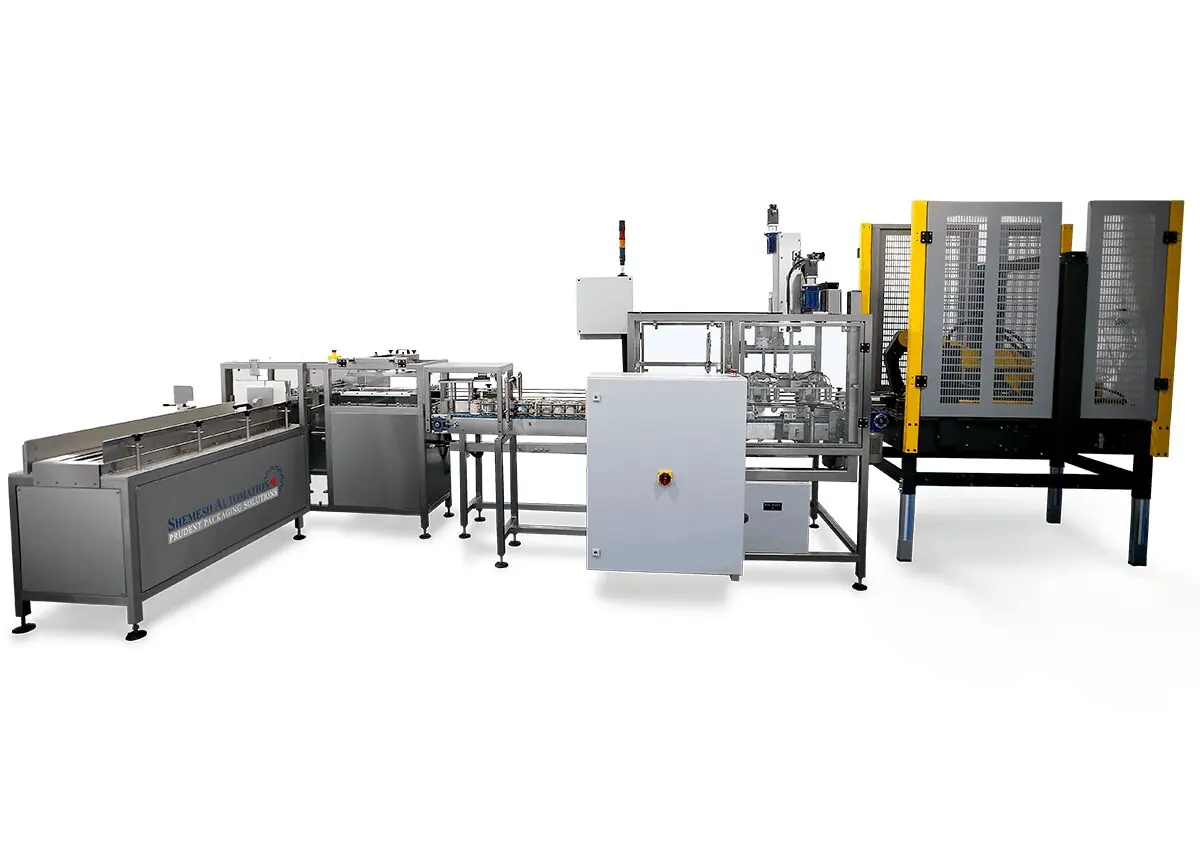
A filling and sealing machine cannot compensate indefinitely for an unstable product supply or a blocked discharge conveyor. Review upstream delivery, hopper replenishment and downstream accumulation together. Establish what happens when product supply falls, packaging runs out or downstream equipment stops. Restart behavior deserves particular attention because interrupted cycles can leave cups in different processing states.
Review utility requirements against actual plant conditions. Electrical service, compressed air quality, drainage and any heating or cooling services must suit the proposed configuration. Include maintenance access, material loading and waste removal in the layout. A machine that fits the floor space may still be difficult to operate if lid replenishment or tooling removal conflicts with adjacent equipment.
5. Build Acceptance Testing Around Real Production
Convert the application requirements into a written acceptance plan before equipment approval. Test representative products and packaging, include challenging combinations, and agree on how fill performance, seal quality and rejects will be assessed. Exercise missing material conditions, controlled stops and restarts. Confirm that operators can identify faults and recover safely without relying on undocumented adjustments.
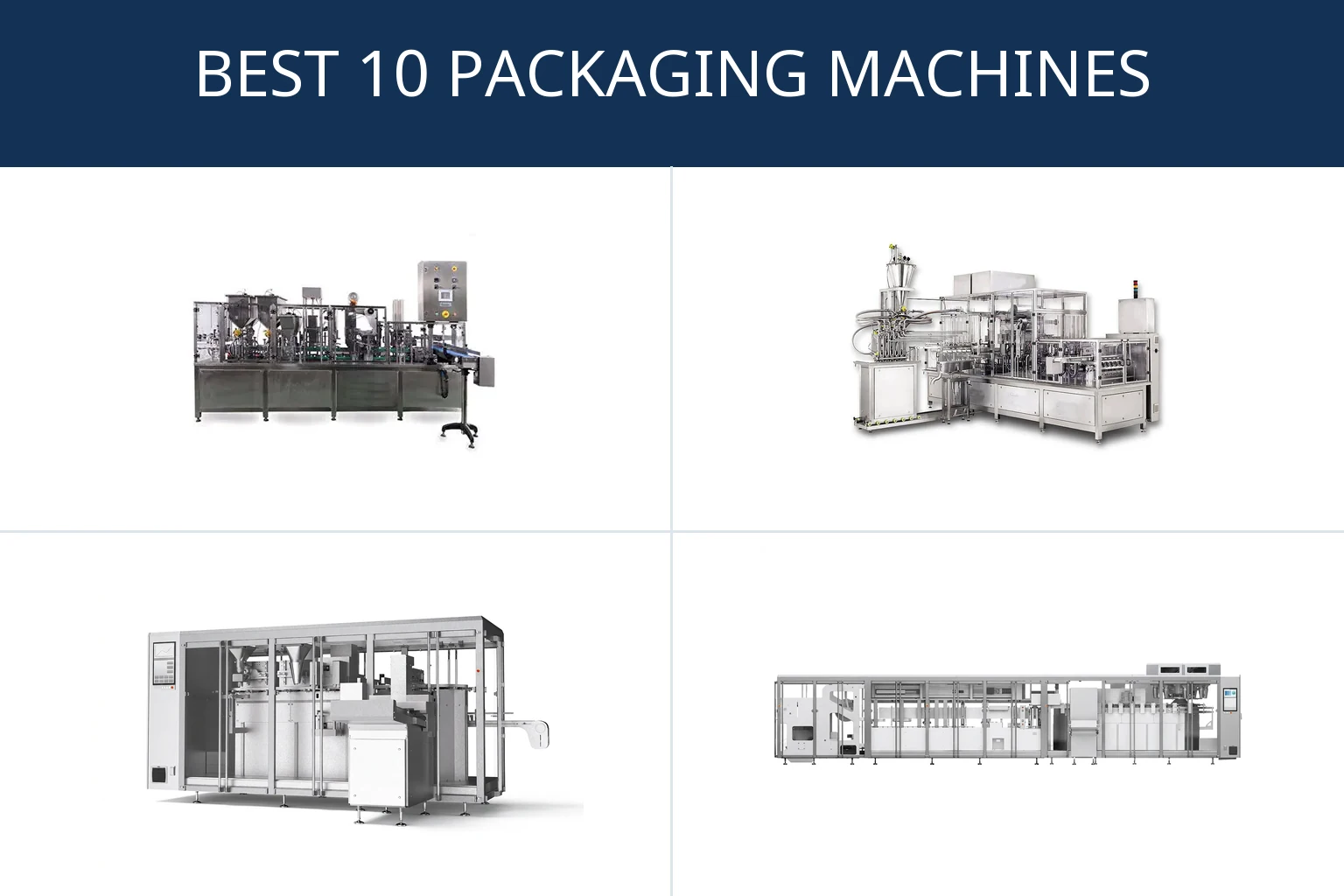
Use the same requirements to guide supplier discussions and installation planning. Pure Packaging Solutions provides a [Cup Filling and Sealing page](/solutions#cup-filling-sealing) and the option to request a quote. Bring product conditions, package drawings, cleaning requirements and acceptance criteria to that conversation. Those details provide a stronger basis for equipment selection than an output target alone.