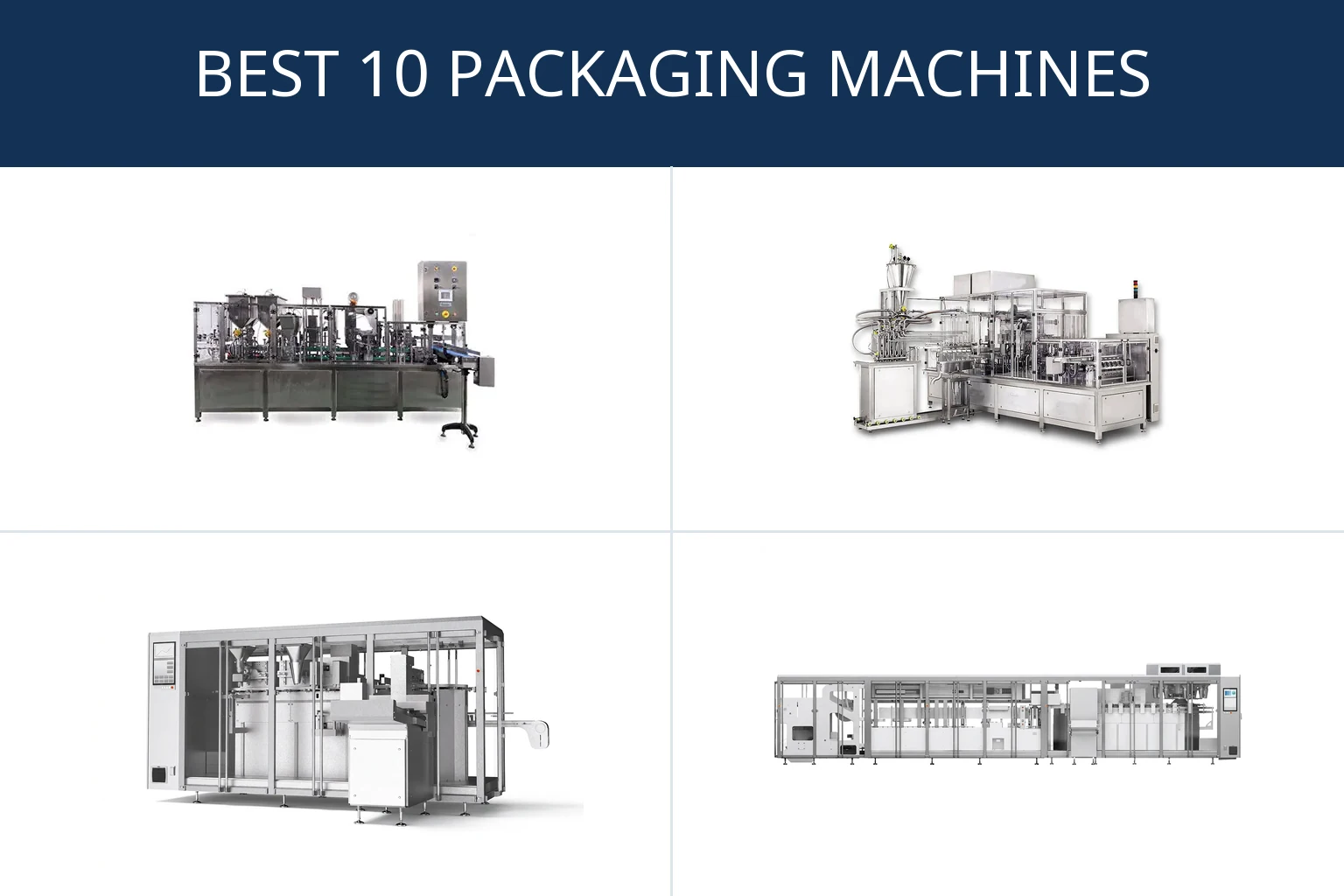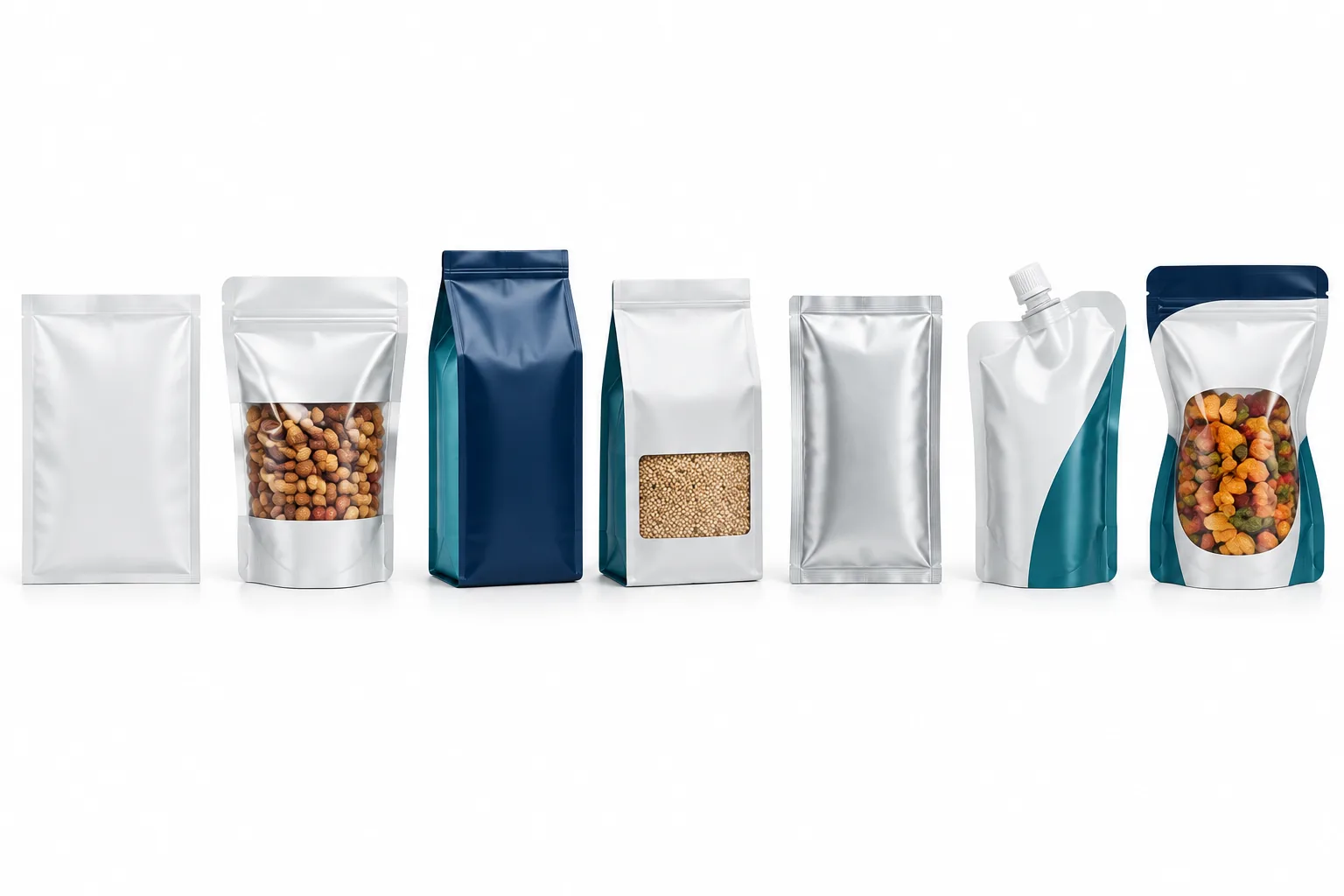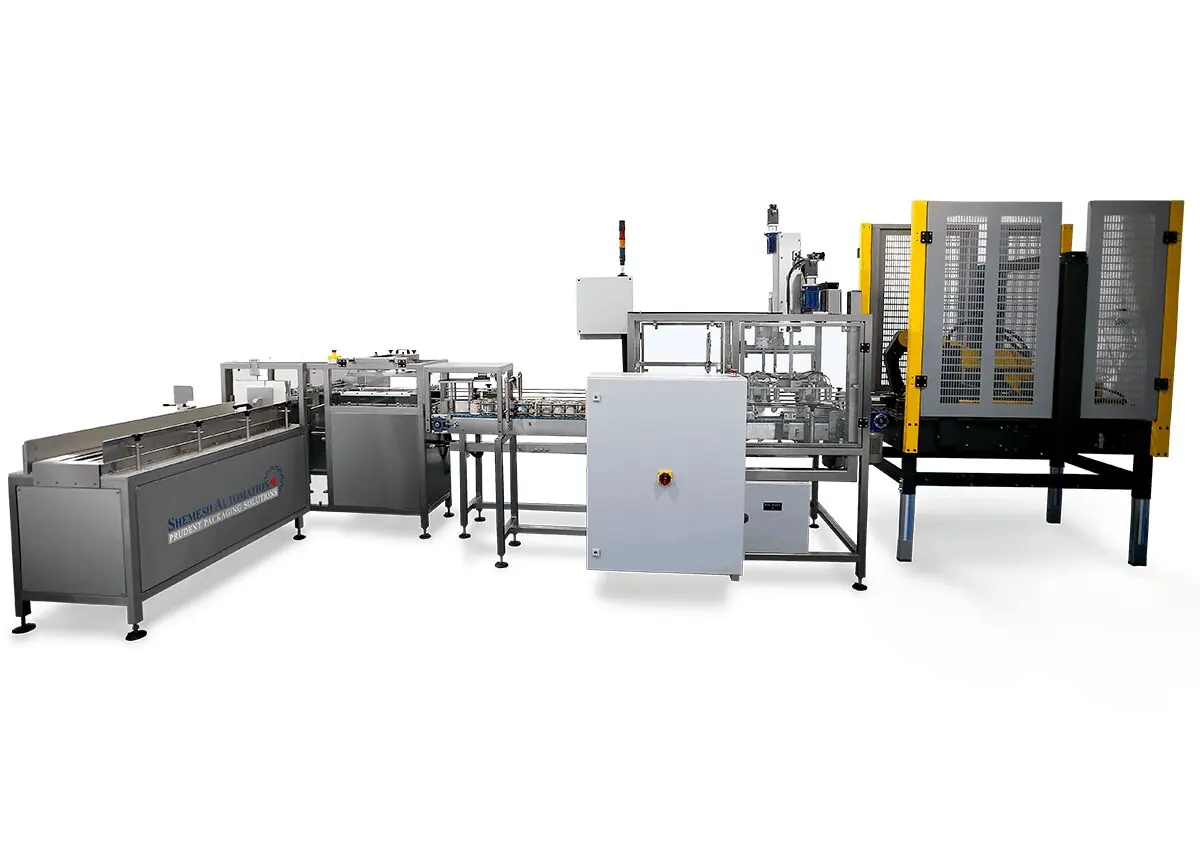
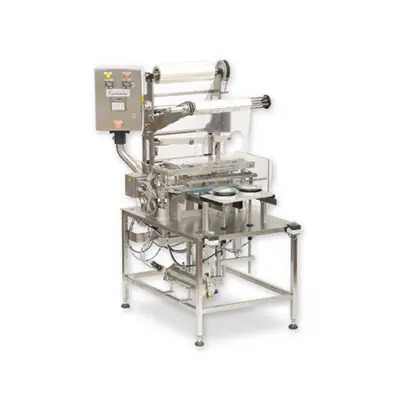
Filling is about control of the product
A filling machine has one main job: place the right amount of product into the package without damaging the product or slowing the line. How it does that depends on what is being filled.
Water thin liquids, thick sauces, powders, granules and products with pieces each need a different review.
Common methods solve different problems
Piston, pump, auger, volumetric and weight based filling can all be useful. The correct method depends on accuracy target, product flow, cleanability, container opening and speed.
For some products, the feed system before the filler is just as important as the filler itself.
The package changes the filling design
A jar, pouch, tray, bottle, cup and bucket all present the filling point differently. The machine has to handle the opening, headspace, splash risk and product cutoff for that package.
Those details affect nozzle design, motion, guarding and downstream cleanup.
Testing keeps the decision grounded
Real product samples show whether a concept will foam, drip, bridge, smear or separate. That information is difficult to learn from a data sheet alone.
Pure uses application details to match filling technology to the finished package and complete line plan.