Which packaging task should we automate first?
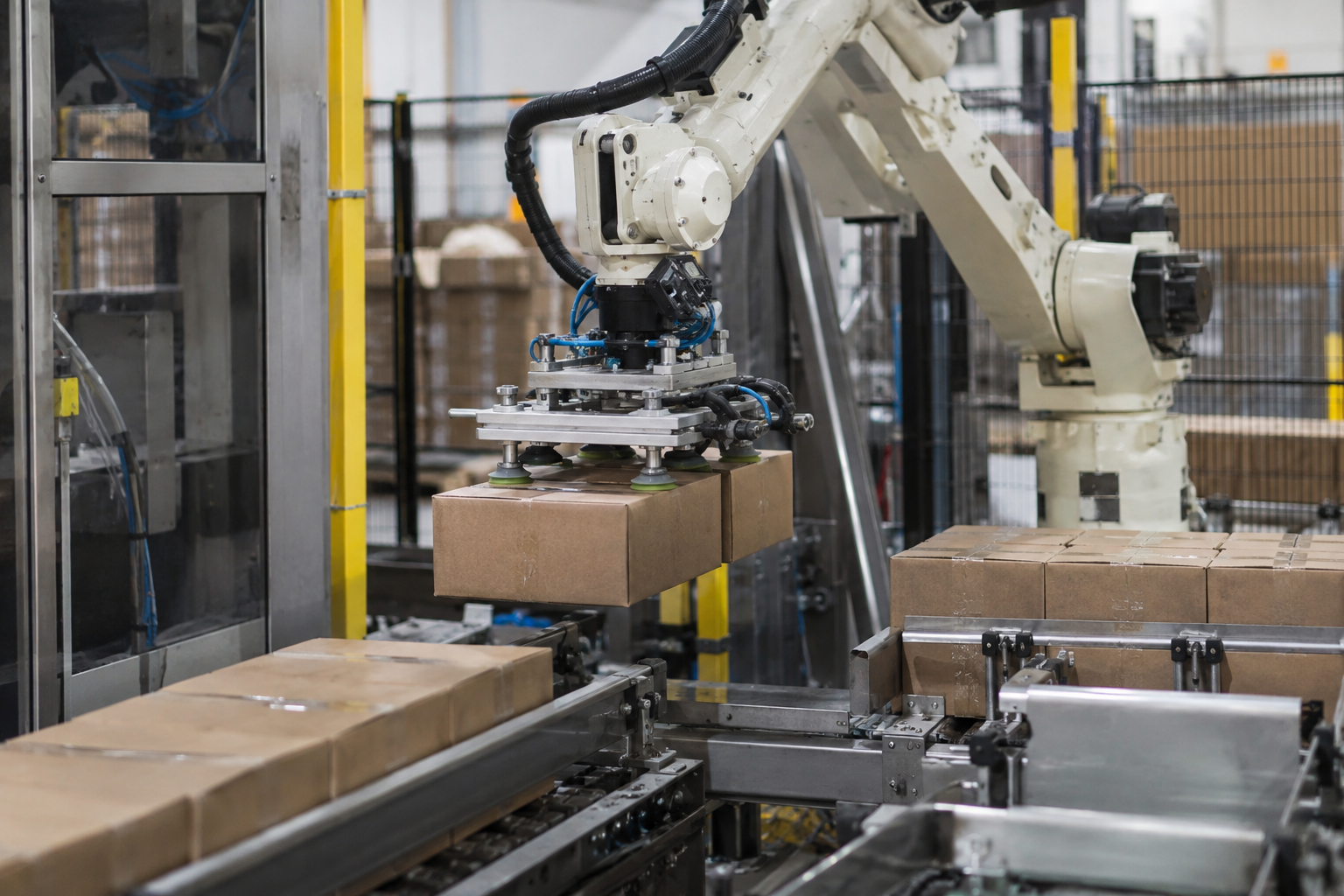
Start with the operation that creates the most persistent production constraint, not the task that looks easiest for a robot. Observe complete shifts and record where products accumulate, operators intervene and upstream equipment stops. Case loading, product collation and palletizing solve different problems. Write the requirement around the outcome, such as maintaining case supply or eliminating repetitive manual transfers, before selecting a robot configuration.
Define the system boundary early. Identify who supplies infeed control, case handling, inspection, rejection and discharge equipment. Include the normal product mix and expected changeovers, rather than designing around one convenient package. The caveat is that automating a station that is not the real constraint may reduce manual handling without increasing finished output. Separate those objectives in the justification.
How do we know the robot will handle our actual products?
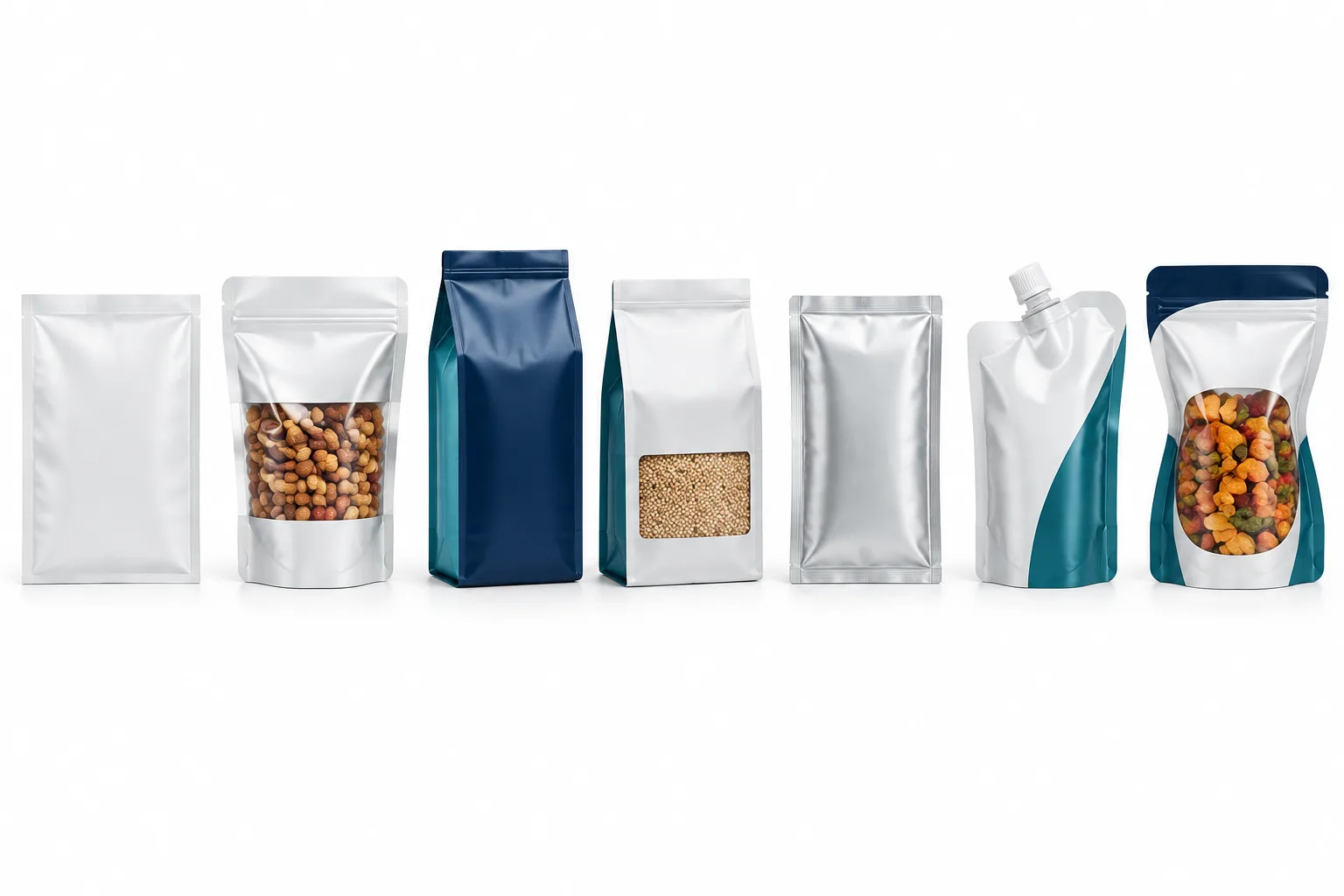
Prove the handling method with representative production samples. Provide filled packages, not only empty containers or drawings. Include examples that reflect expected variation in film, carton stiffness, closure position, temperature and surface condition. Ask the integrator to demonstrate pickup, acceleration, placement and release. A successful static lift does not establish that a package will remain stable throughout the motion.
Evaluate the end effector alongside the product presentation. Vacuum performance, mechanical gripping and support features depend on accessible surfaces and allowable contact forces. Check for marking, deformation, seal damage and inconsistent release, then examine how operators will clean and change tooling. The dependency is sample quality: testing pristine samples alone can miss difficulties caused by condensation, flexible bags or cases that arrive slightly out of square.
What needs to happen when upstream or downstream equipment stops?
Specify line behavior before programming begins. The robot, conveyors, case equipment and downstream stations need agreed signals for ready, running, blocked, starved and faulted conditions. Define which controller owns each transfer and how product presence is confirmed. Also decide what happens to a partially filled case or a product held by the robot when the sequence is interrupted.
Plan accumulation around the interruptions operators actually encounter, including replenishment, inspection holds and brief equipment faults. Review restart sequences with production personnel so recovery does not require improvised product removal or unexplained resets. The caveat is that buffering only absorbs temporary mismatches. It cannot compensate for a downstream process whose sustained capacity is below the line requirement. Controls coordination and capacity planning must be reviewed together.
Can one cell support our cleaning and changeover routines?
Build cleaning and changeover requirements into the layout, tooling and utility design. Document cleaning chemicals, methods, access needs and areas where residue can collect. Review the complete installation, including conveyors, sensors, cable routing and end effectors. For dairy or food applications, distinguish product contact requirements from secondary packaging needs. For pharmaceutical applications, involve quality personnel in defining applicable documentation and verification requirements.
During design reviews, walk through a complete format change: clear remaining product, exchange tooling, adjust guides, select the recipe and verify the first acceptable output. Assign responsibility for each step. The dependency is the site's actual sanitation and quality regime. A component described as suitable for washdown does not establish that the assembled cell meets every cleaning requirement.
How should we plan safe access without making recovery difficult?
Map every reason someone will approach or enter the cell, including clearing jams, replenishing materials, inspecting tooling and performing maintenance. Use those tasks to inform the application risk assessment, guarding, access points and energy isolation provisions. Position routine adjustments and diagnostics where personnel can use them without entering hazardous areas.
Give special attention to stored energy, suspended loads and gripped products during recovery. Instructions should explain how to reach a safe condition, not simply how to reset a fault. The caveat is that choosing a collaborative robot does not, by itself, make the application safe for shared access. Tooling, payload, surrounding equipment and foreseeable interactions still require assessment against applicable requirements.
What should we require before accepting the installed system?
Agree on acceptance criteria before issuing the purchase order. Test representative formats, planned changeovers, replenishment and recovery from realistic interruptions. Evaluate package condition and sustained operation, not just successful robot cycles. Include maintenance access, spare parts information, controls backups, operator training and ownership of interface troubleshooting in the handover requirements.
The dependency is test coverage. A factory trial may use simulated interfaces, so identify which behaviors must be verified again on the installed line. For an application review, visit the Pure Packaging Solutions [Integrated Robotic Packaging Systems page](/robotics), where you can explore the technology and request a quote. Bring product samples, a layout, operating observations and a written scope so the discussion starts with the production problem.