What product will run on day one and next year
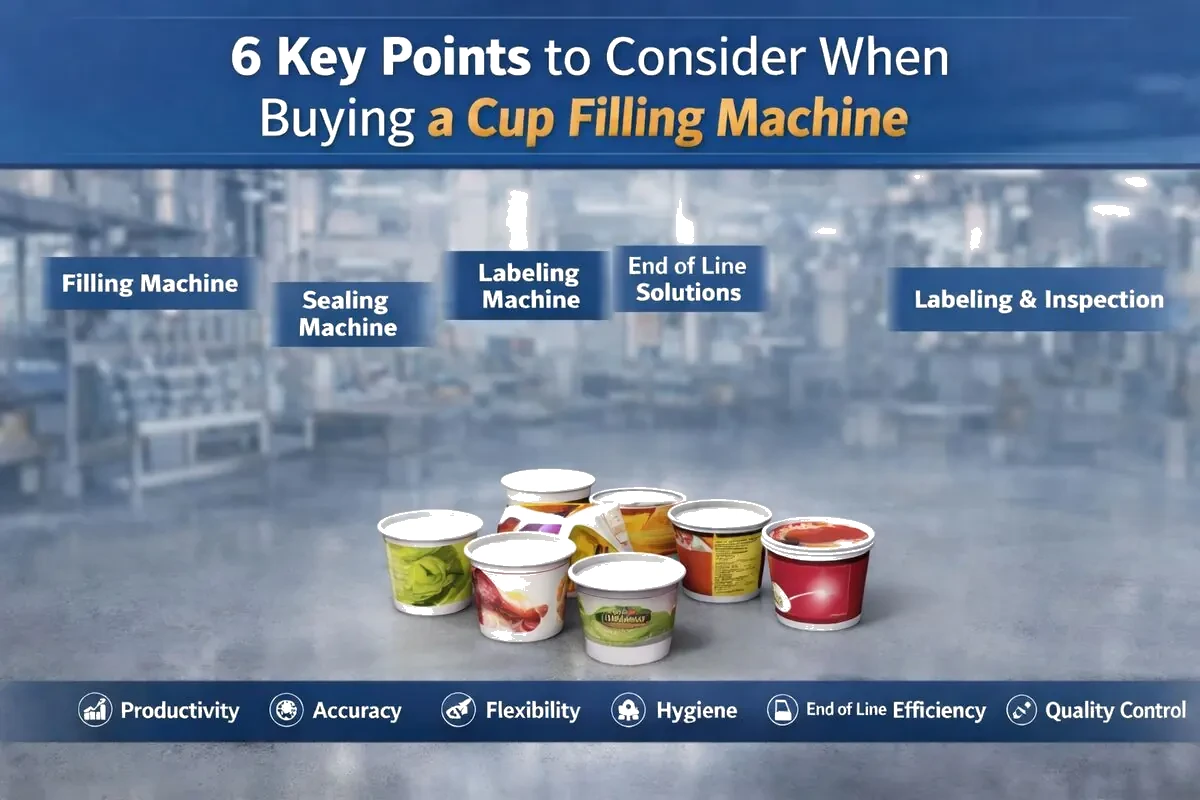
The first question is not just what product runs today. It is what products the line may need to run after new flavors, sizes or customer requirements appear.
Viscosity, inclusions, temperature and cleaning needs should all be part of the answer.
How consistent are the cups and lids
Cup stacks, rim quality, film rolls and lids determine how smoothly the machine can denest, fill and seal. Inconsistent packaging materials can create problems that look like machine problems.
Real samples help the project team judge the risk.
Who will run and clean the line
Operators and sanitation teams should be considered during layout. Access, visibility and safe working height affect how the line performs after installation.
A machine that is easier to clean and adjust often protects uptime.
What happens after sealing
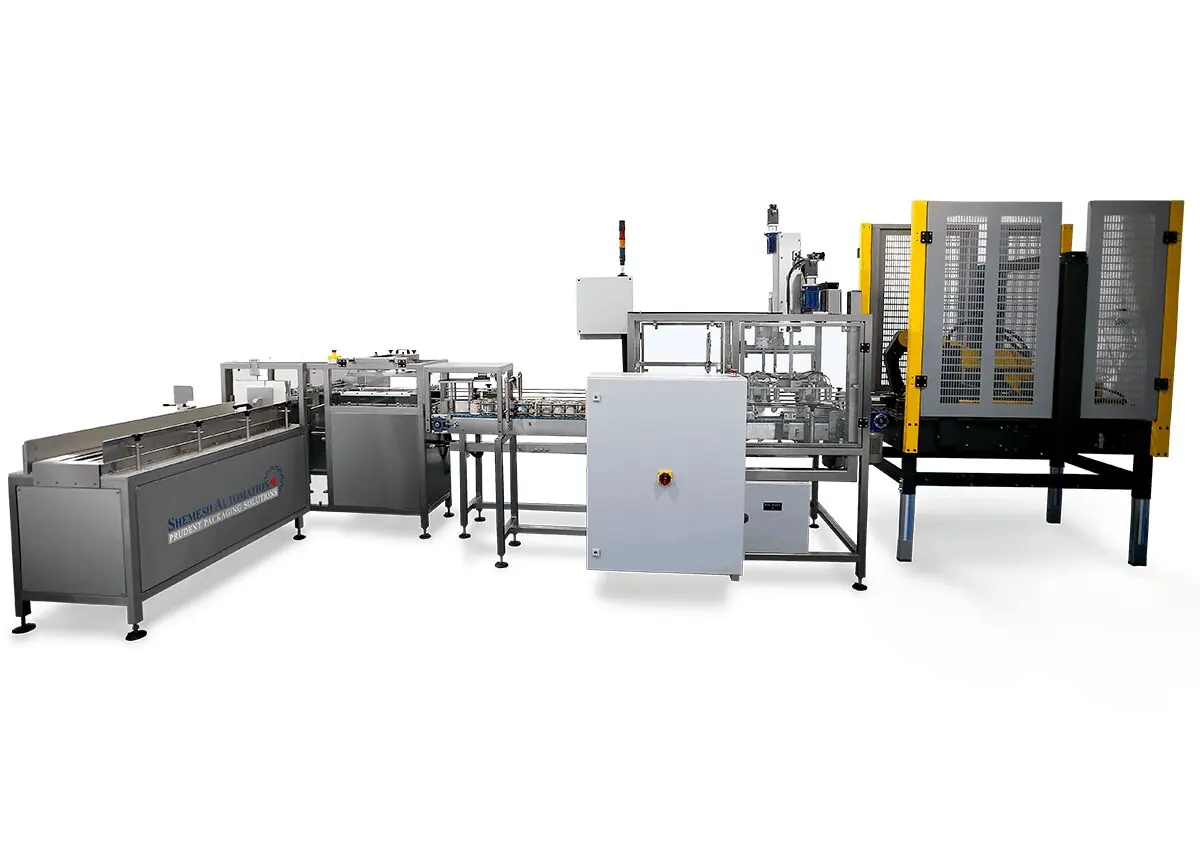
Finished cups may need coding, checkweighing, labeling, accumulation, case packing and palletizing. Those requirements influence discharge height, spacing and orientation.
Pure helps buyers define those answers before the machine selection becomes final.