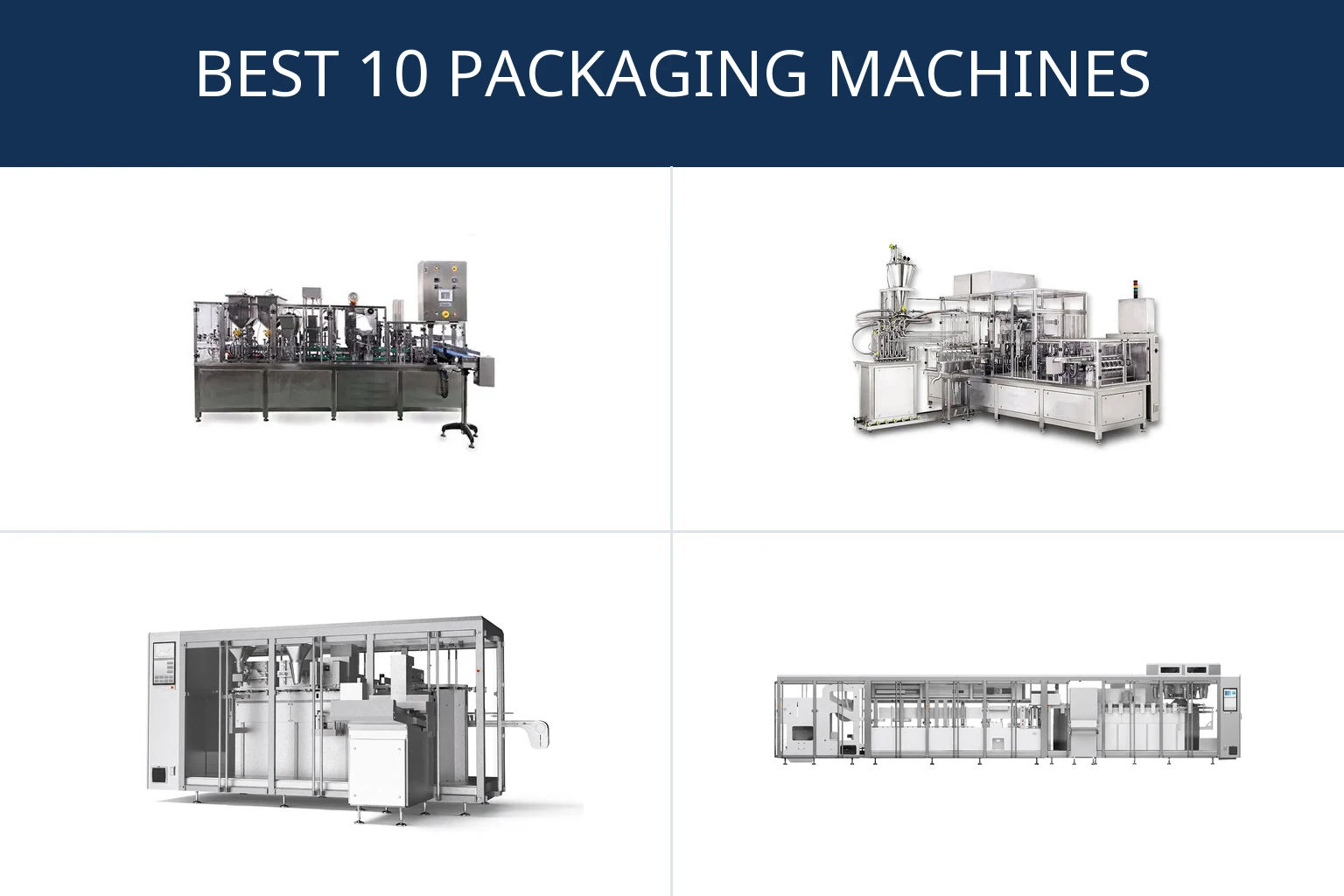
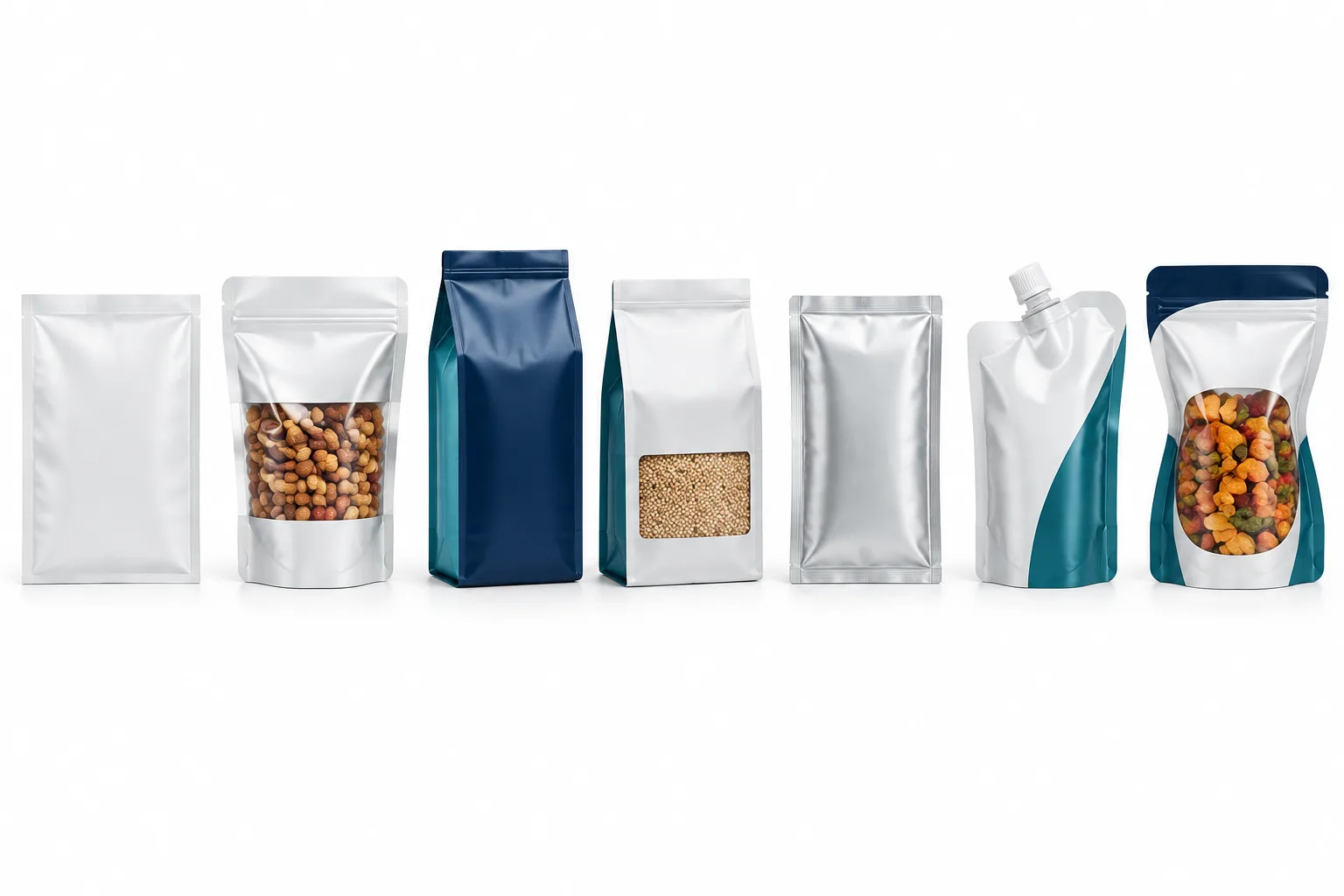
Which approach fits: start with the product and finished pack
Form fill seal makes the package from roll film as part of the bagging process. Premade pouch equipment fills and seals pouches that arrive already made. That distinction matters, but it does not settle the decision. Start with the package your customer needs, then work backward through product handling, filling, sealing and the daily work required to run it.
Compare complete configurations, not machine categories in isolation. Performance depends on the product, format and configuration. A suitable bagger still needs compatible feeding, dosing, controls and downstream handling to become a workable packaging line.
Q: When does VFFS fit snacks, coffee, frozen or fresh-cut products?
A: VFFS forms pillow and gusseted bags vertically from roll film and is common for these applications. It is worth evaluating when one of those bag styles meets the merchandising and handling requirements. The next question is how your particular product behaves during filling. Fragile snacks, irregular fresh-cut pieces and frozen products present different handling concerns. Coffee also requires a clear definition of the product being packed rather than treating every coffee application alike. Assess portion delivery, product damage, bag dimensions and whether product can interfere with the sealing area.
VFFS may not fit when the required presentation is a premium stand-up or zipper pouch; compare the premade route rather than assuming bag styles are interchangeable. Ask what a change in bag size, film or product requires on the proposed configuration. Which adjustments need verification before restarting? For cleaning, review access along the product path and the implications of moisture, oils or allergen changes. For integration, establish how the dosing equipment and bagger coordinate, including what happens when downstream equipment stops. Request a trial using representative product and the intended film.
Q: When should you consider HFFS for pouches made from roll film?
A: HFFS is the horizontal form fill seal route for pouches made from roll film. It is not a flow wrapper. Consider it when you want a pouch format produced from rollstock, then confirm whether the specific proposed configuration can make your intended package. The useful comparison with premade pouch filling is where pouch formation happens: on the packaging line or before the empty pouch reaches it. Neither route automatically delivers the better result. Your pouch design, product behavior and production mix determine which deserves closer evaluation.
HFFS may not fit if the required pouch construction cannot be demonstrated on the proposed equipment, or if its operating requirements conflict with your production routine. Ask the supplier to walk through a realistic format change, including film setup, filling adjustments and seal checks. Compare that sequence with changing premade pouch sizes rather than assuming either approach is always simpler. Review cleaning access wherever product could accumulate. Confirm how upstream dosing and downstream handling will coordinate with the machine. A trial should evaluate the finished pouch as well as filling consistency and product handling.
Q: When is premade pouch filling the better candidate for premium stand-up and zipper packs?
A: Premade pouch filling and sealing equipment fills pouches that arrive already made, making it useful for premium stand-up and zipper formats. This approach belongs on the shortlist when those pack features are central to the buying experience. It moves pouch formation outside the bagging operation, but the pouch still has to work with the selected filling and sealing configuration. Evaluate actual production-intent pouches, not just a visual sample. Ask how pouch dimensions, opening behavior and the product's filling characteristics affect suitability, and how the seal area will be kept clear.
Premade filling may not be the best fit when a straightforward pillow or gusseted bag meets the need; compare VFFS before committing to a more elaborate presentation. Do not assume that receiving finished pouches eliminates setup work. Ask what changes between pouch sizes and zipper formats, which parts or settings are involved, and how operators verify the first acceptable packs. Review empty-pouch storage and replenishment alongside product feeding and discharge. Cleaning questions should cover the filling path and potential spill areas. Confirm suitability with the intended product and pouches, including normal variation in incoming materials.
Q: Where does a multihead weigher fit when packaging solids?
A: A multihead weigher weighs solids into either bagging approach. It is a dosing choice, not an alternative bag style, so consider it alongside the bagger decision. Start with the target portion and the product's behavior: do pieces vary substantially, break easily, cling together or leave residue? Those questions help define the trial and the feeding arrangement. Do not assume that a weigher suitable for one solid product will handle another equally well. It may not fit if testing cannot demonstrate acceptable portioning and product handling for your application.
Ask how a weighed portion reaches the bagger, whether it arrives cleanly within the available filling sequence, and how both machines respond to interruptions. Check available installation space and access for operators and cleaning, not just whether the equipment fits on a layout. For product changes, distinguish a new weight setting from a change requiring cleaning or other adjustments. Ask which product-contact areas need inspection and how residual product is removed. Test the weigher and bagger together where possible, because successful weighing alone does not establish successful filling and sealing.
Final selection checklist
Before selecting equipment, confirm: the required bag style and features; representative product characteristics; target portion; intended film or premade pouch; expected product and format changes; cleaning requirements; available space and access; upstream feeding; downstream handling; and controls coordination. Agree on trial acceptance criteria for portioning, product condition, package appearance and seal integrity.
Pure Packaging Solutions engineers, specifies, supplies and integrates packaging equipment in the United States and Canada. Bring the product, pack requirements and operating constraints into that discussion together. A product and pack trial is needed to confirm suitability. There is no universal winner, only the approach that demonstrates a good fit for your application and operating routine.