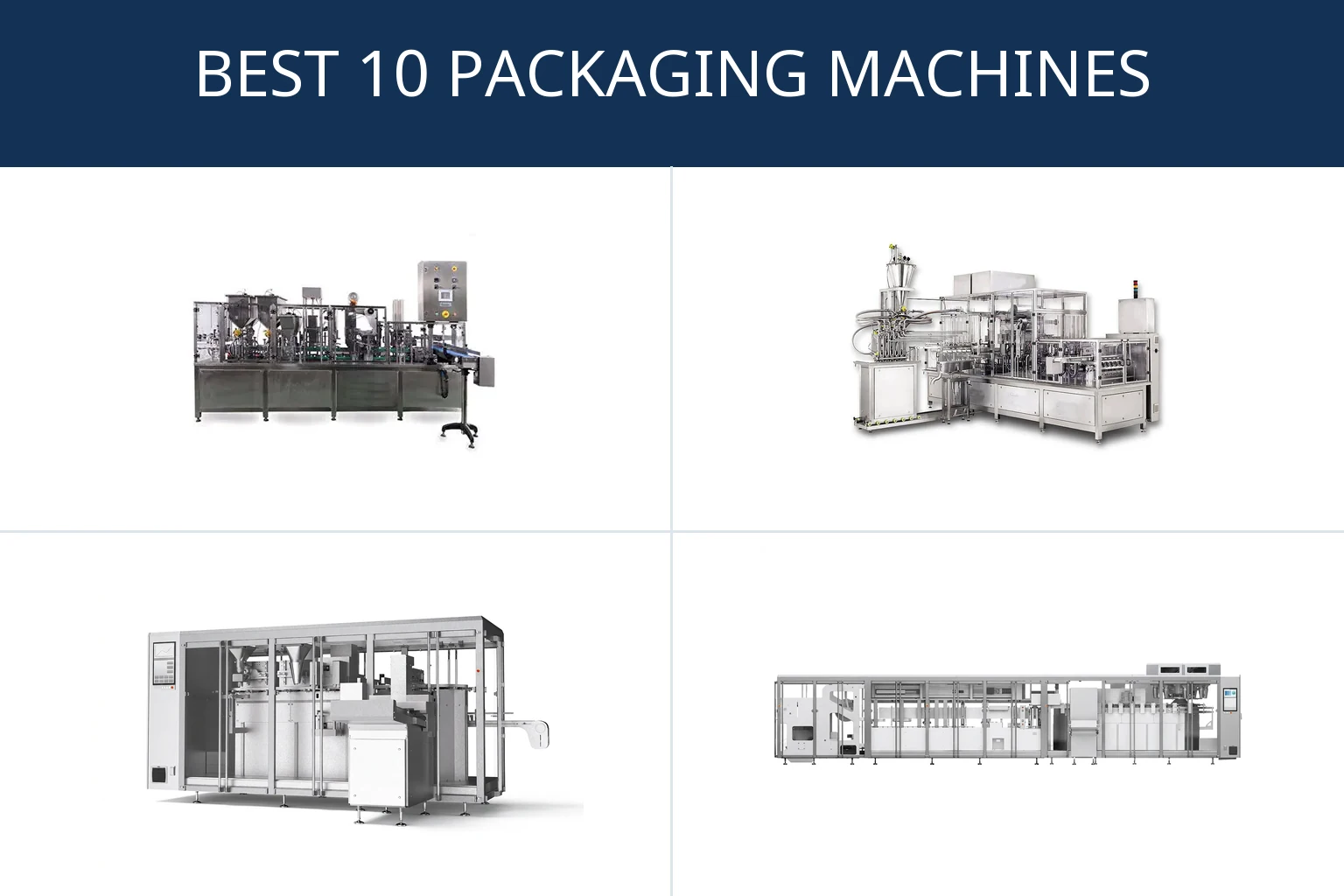
Start with the product and the finished pack
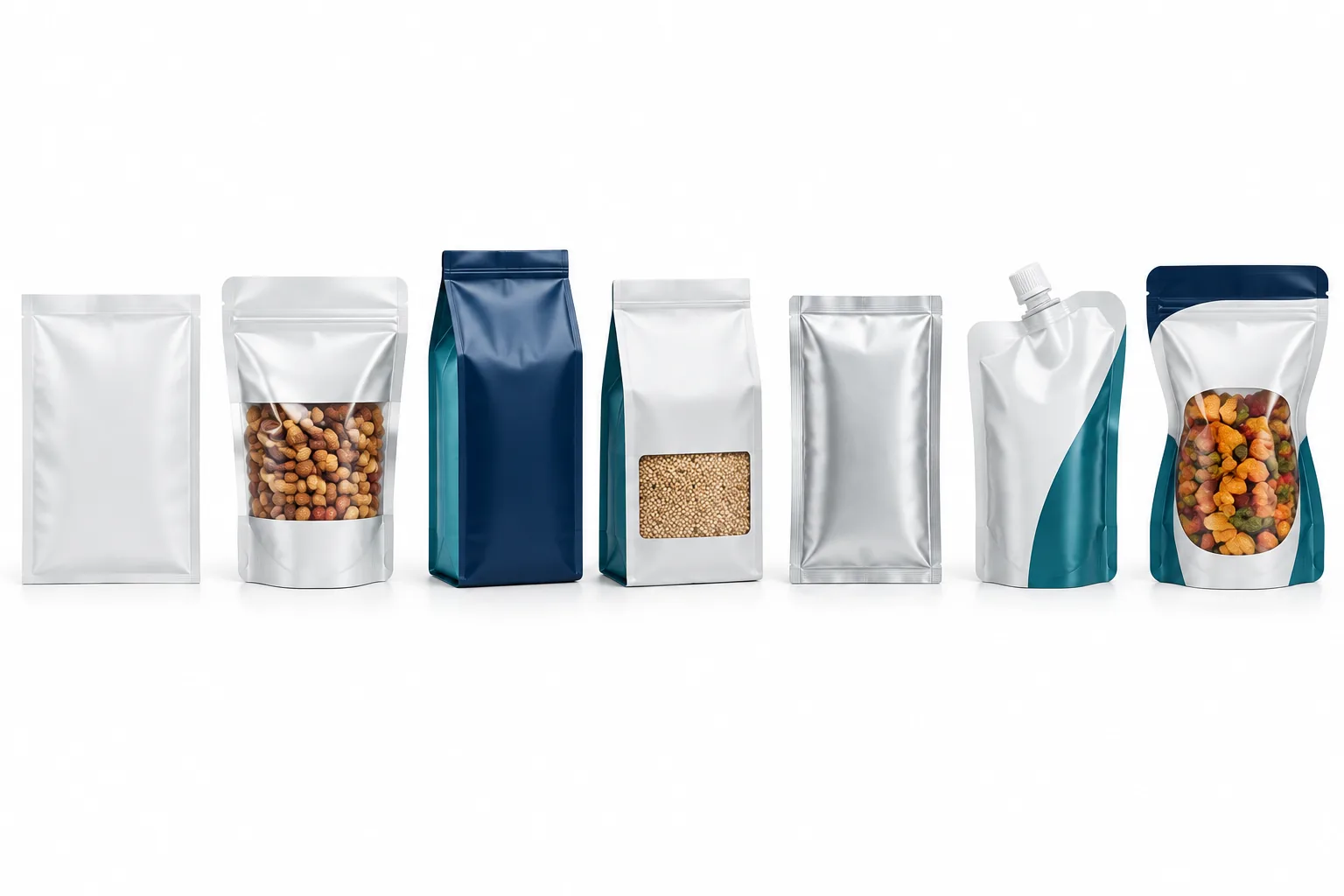
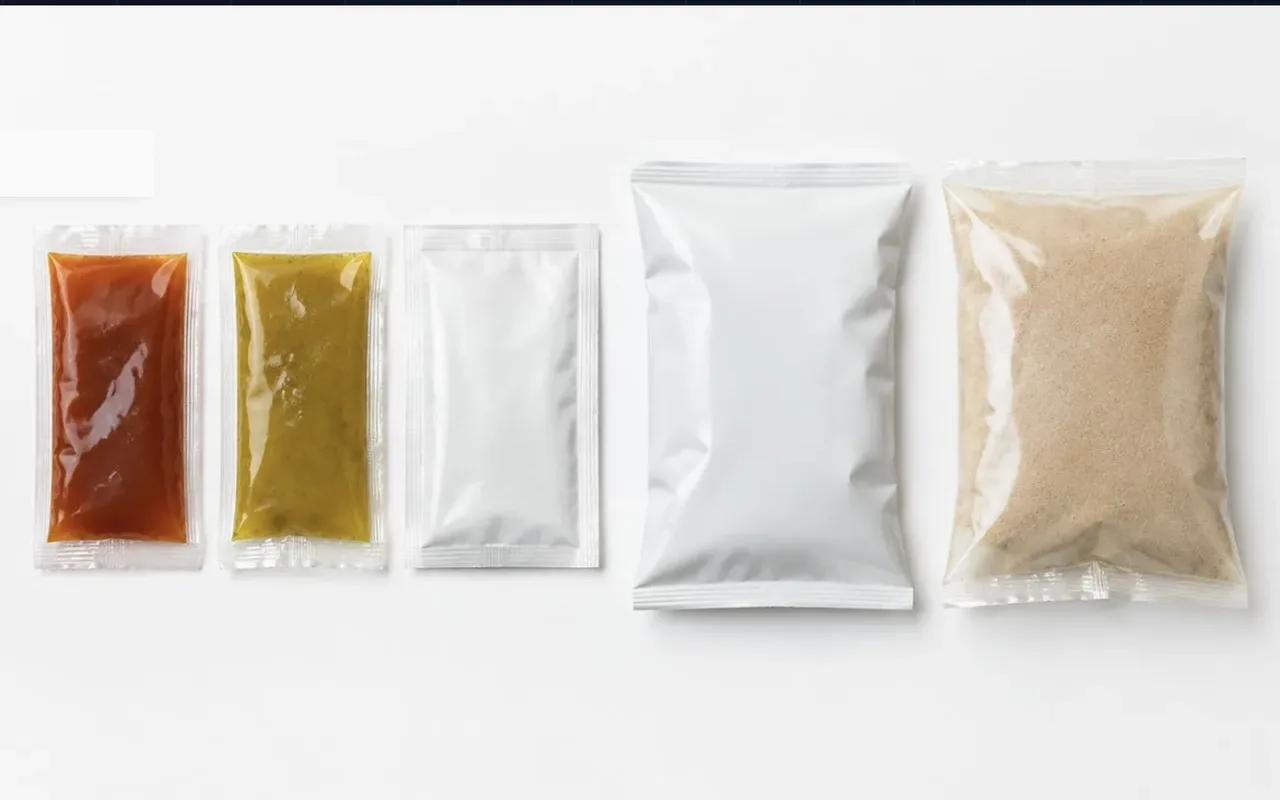
Selecting a premade pouch filling and sealing machine starts with three decisions: pouch style, fill type and target output. Bring actual product samples and finished pouch examples into the discussion, not just a nominal pack weight. A powder, a sticky inclusion and a free-flowing snack present different filling problems, even when their retail pouches look similar. Map the process through inspection and shipping cases, too. Performance depends on the product, format and configuration, so compare proposed systems against the same operating conditions rather than a headline output claim.
Which premade pouch filling and sealing machine fits your pouch and product?
Start by matching the proposed configuration to the exact pouch. Premade pouch filling and sealing machines cover stand-up, flat, zipper and spouted pouches, but that does not mean every configuration handles every format. A stand-up pouch and a flat pouch present different handling requirements; zipper and spout details add questions about opening, filling access and closure. Ask: Can you demonstrate our actual pouch material, dimensions and closure arrangement? Where will the product enter, and how will the sealing area stay clear? A format that looks attractive on a shelf may not fit the intended filling method.
Next, define the fill type and required output for each pack, including the smallest and largest planned sizes. Compare proposed configurations on demonstrated handling and filling, not on the assumption that one setup will cover everything. Ask which adjustments or format parts are needed at changeover, how settings are recorded and which product-contact areas must be cleaned. If frequent short runs are planned, changeover work deserves as much attention as sustained running. Discuss upstream product delivery and downstream pouch transfer together: neither should force operators to compensate for an unresolved interface.
When is a multihead weigher the right filling method?
A multihead weigher is a candidate for weighing free-flowing or irregular solids, including snacks, pet food and confectionery, into the pouch machine. It fits applications where the fill is controlled by weight and the product can be delivered into the pouch opening. Start with the product's behavior: Does it flow consistently, bridge, cling or break during handling? Irregular shape alone does not rule it out, but a representative trial matters. For liquids, pastes or products that do not move reliably through the proposed arrangement, discuss a different dosing approach rather than assuming this method will fit.
Ask the supplier to evaluate both weighing and discharge into your pouch. A satisfactory weighed portion is not enough if the transfer damages the product or leaves material in the seal area. Compare candidate filling approaches using the same product condition and pack weight. For changeover and cleaning, ask which contact parts require access, how residual product is removed and what procedures are needed between allergen-containing recipes. Integration questions should cover product supply to the weigher, coordination with the pouch machine and what happens when either part of the line stops.
When should sealed pouches pass through X-ray inspection?
X-ray inspection is used after sealing to check pouches for foreign bodies and fill problems. That makes it a downstream verification step, not a substitute for controlled filling or a sound sealing process. Its suitability depends on the inspection task and the product and pack being examined. Ask: Which foreign-body risks and fill problems must we identify, and can those conditions be demonstrated with our sealed pouches? Do not interpret an inspection proposal as a promise to find every possible defect. Define the required checks before comparing inspection alternatives.
Build the trial around representative good packs and agreed challenge samples, including relevant product and format variation. Ask how inspection settings are managed when recipes or pouch sizes change, and how cleaning access fits the surrounding conveyor layout. Line integration should address pouch presentation, spacing and the procedure for handling a suspect pack. Agree how inspection results will be checked and recorded, and what operators should do following a failed check. If the proposed inspection cannot reliably distinguish the problem of concern, reconsider the method rather than relaxing the requirement.
When does automatic case packing fit a pouch line?
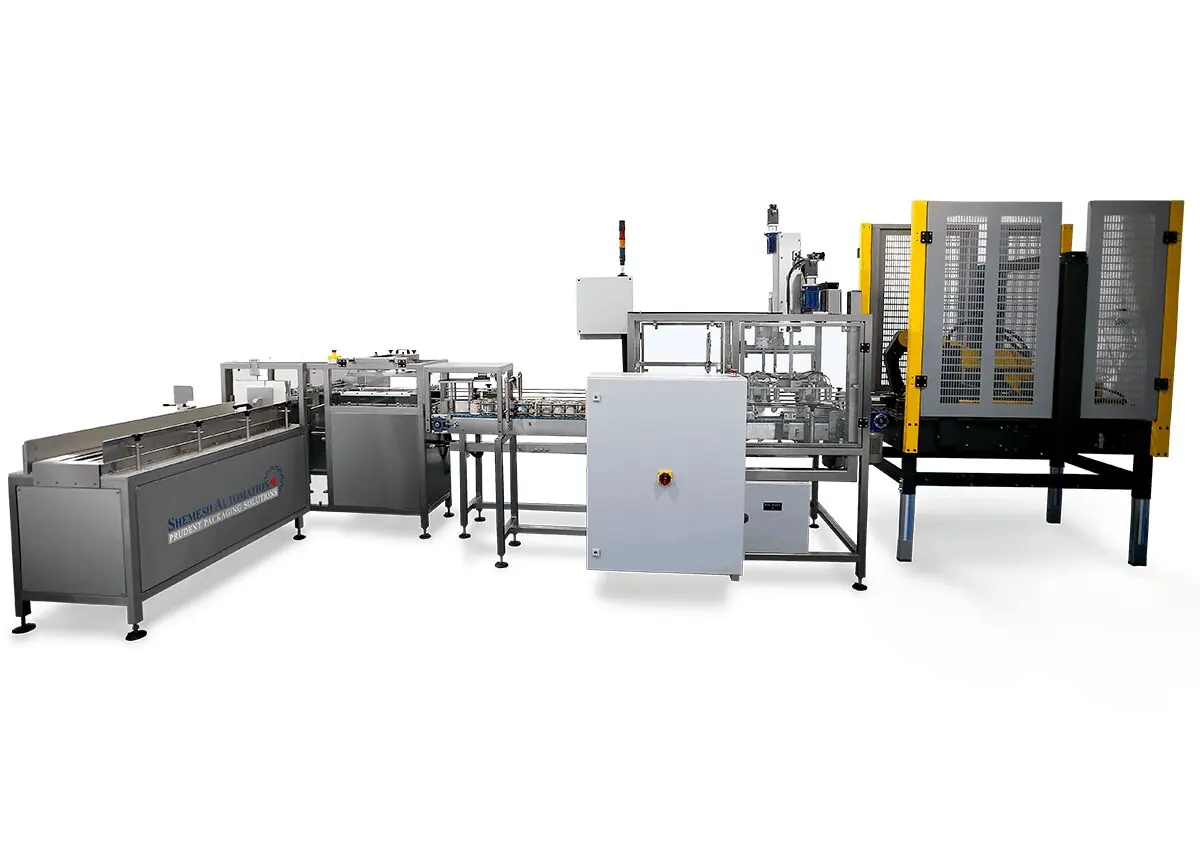
Automatic case packing loads finished pouches into shipping cases at the end of the line. Consider it when evaluating how finished packs will move from production into distribution, rather than treating case loading as a separate project. Compare automatic loading with manual loading against your actual pouch variety, case patterns and production schedule. Automation may fit repeatable packing requirements; manual loading may remain worth considering for variable, short runs. Neither is a universal winner, and suitability depends on the finished pouch, case format and proposed configuration.
Ask: How will our filled pouches be presented, counted and arranged in each case? What changes when the pouch dimensions, fill weight or case count changes? Use actual finished packs to assess handling because a filled pouch behaves differently from an empty sample. Review changeover adjustments, access for cleaning spilled product and the interface with upstream inspection. Also agree what happens when case loading stops, including whether upstream equipment pauses or finished packs accumulate. Evaluate the line as a connected process rather than assuming downstream capacity will automatically match filling.
Final selection checklist: What should you confirm before ordering?
Confirm the pouch styles, materials, dimensions and closures; product flow and handling behavior; fill weights; and target output by format. Document changeover steps, cleaning requirements, inspection tasks, case patterns and stop-and-restart behavior. Ask for a clear statement of included equipment, interfaces and unresolved assumptions.
Pure Packaging Solutions engineers, specifies, supplies and integrates packaging equipment in the United States and Canada. A product and pack trial is needed to confirm suitability. Agree on acceptance criteria beforehand, then test representative products and formats across the proposed process. Select the configuration supported by that evidence, not the broadest list of possible applications.