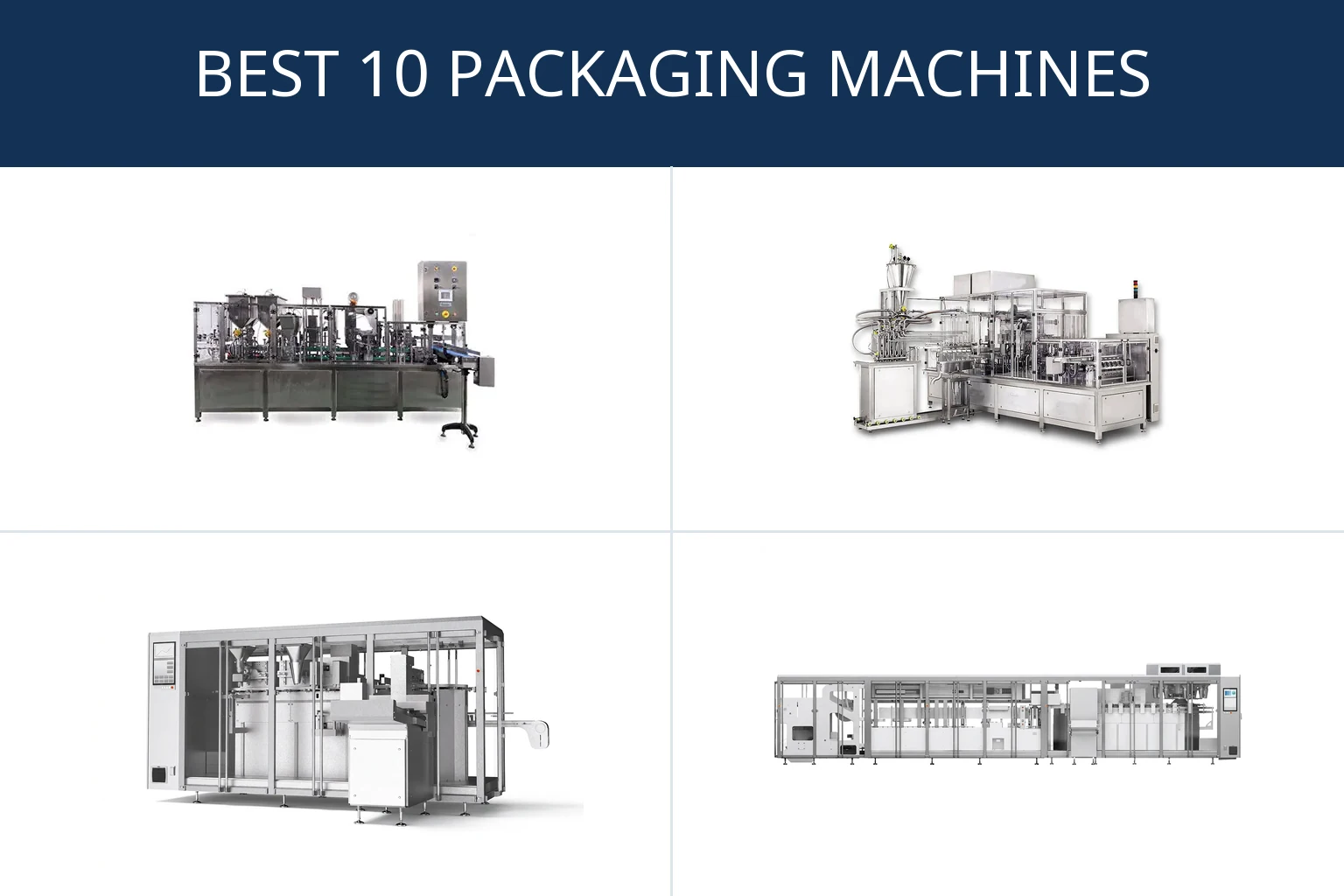
Both layouts can be the right answer
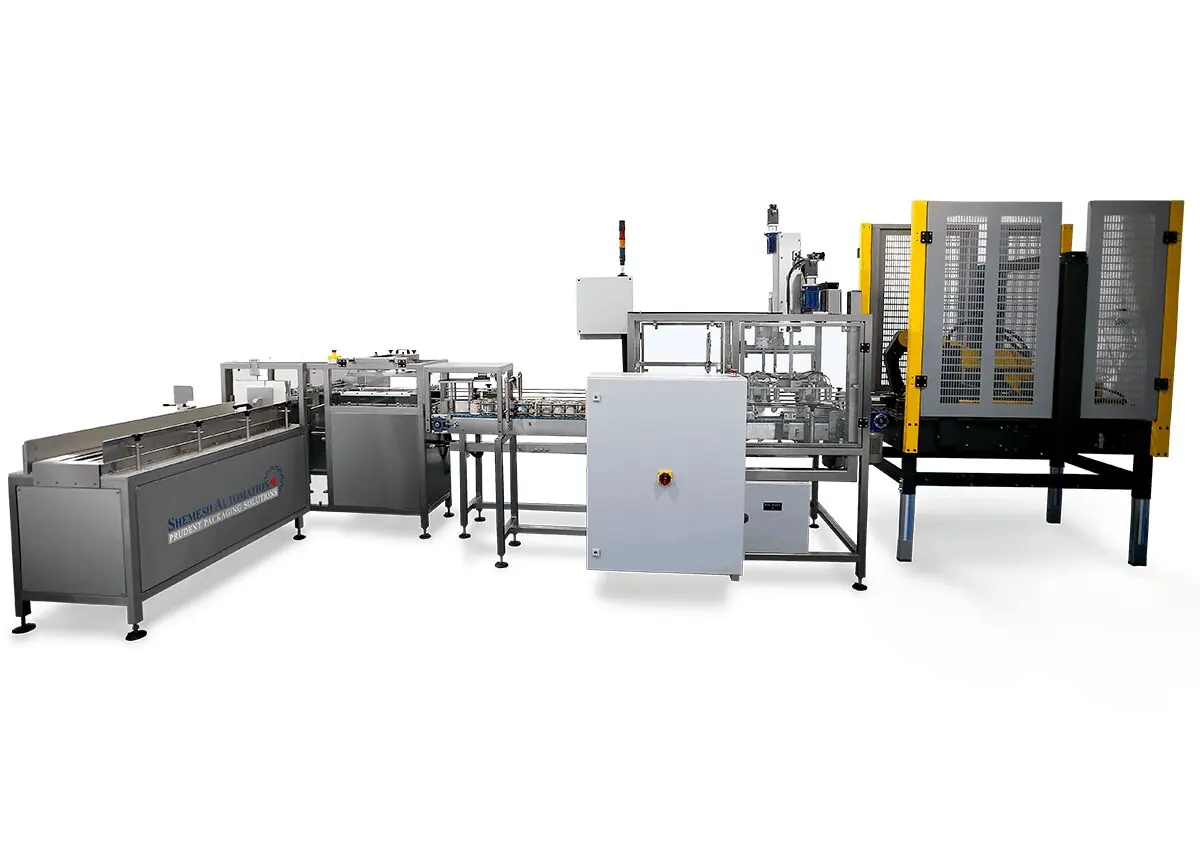
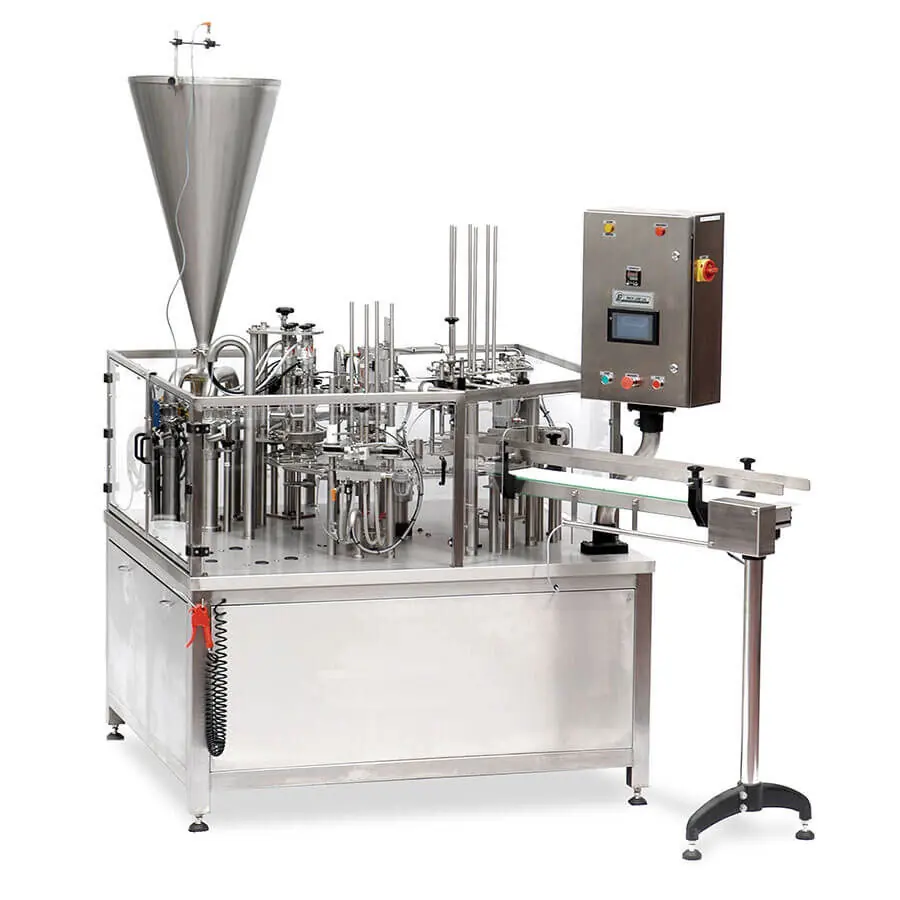
A rotary cup filler moves cups around a circular index. An inline machine moves cups through a straight or lane based arrangement. Neither style is automatically better for every plant.
The right decision comes from the product, cup size range, sealing method, required stations and floor space.
Footprint and access are different conversations
Rotary machines can provide a compact layout for certain applications. Inline systems can offer straightforward access along the line and may be easier to expand into multiple lanes.
Maintenance teams should review where they will clean, adjust, inspect and replace parts during normal operation.
Product and package variety can change the answer
A plant running one stable format may value compact repetition. A plant running many cup sizes, multiple lid types or several products may value modular changeover and more working room.
Those details are more important than choosing a style from a general preference.
Test around actual materials
Cup stacks, lids, films and product samples reveal how the line will behave. A useful comparison should include those materials and a discussion of downstream handling.
Pure helps plants compare rotary and inline concepts against the production day they are trying to improve.