Start with the product and production schedule
Rotary or inline is not a quality ranking. The useful question is which arrangement fits your product, cup formats, production schedule and available space. Start with the saleable cups you need per shift, then account for changeovers, cleaning and interruptions elsewhere on the line. A rate considered without those conditions is a weak basis for selection.
Next, define what goes into the cup and what closes it. Product consistency, fill quantity, cup geometry and sealing materials belong in the discussion before layout is finalized. Performance depends on the product, format and configuration, not simply whether the machine is rotary or inline.
Q: Which option fits pastes, dips and dairy with frequent cup size changes?
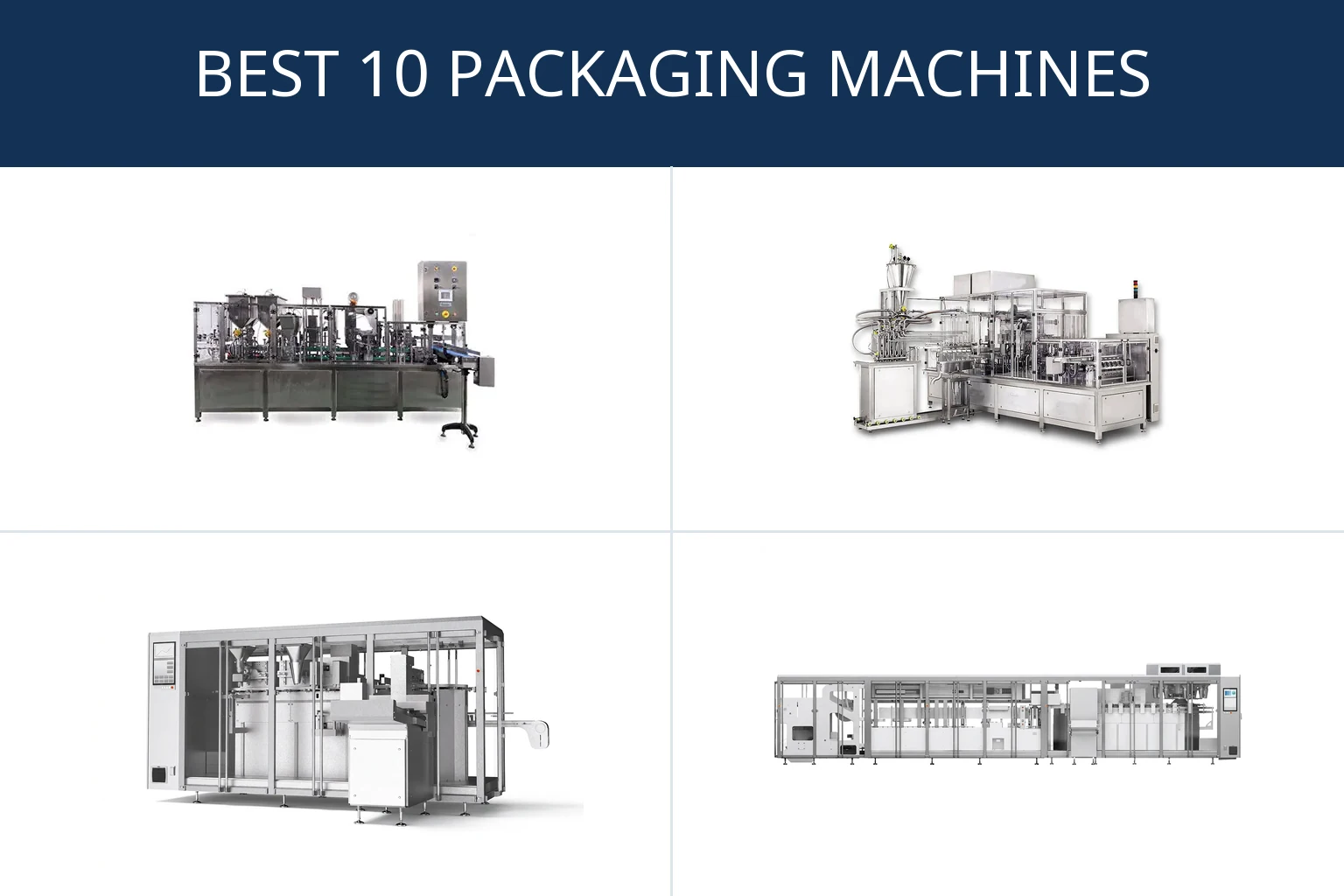
A: The pneumatic inline cup filling machine is the relevant starting point for pre-formed cups of pastes, dips and dairy with frequent size changes. That application match makes it worth evaluating when the schedule moves between cup sizes rather than staying on one format. Ask the supplier to walk through a complete changeover: cup handling, filling setup and any sealing or discharge adjustments required by the proposed configuration. Frequent changes make repeatable setup important, but do not assume a change is tool-free or takes a particular amount of time.
Q: When might another arrangement fit better? A: If the requirement centers on a multi-lane, higher-output line, compare the inline servo option. For smaller outputs in tight quarters, assess the small rotary alternative. With pastes and dips, ask how the proposed filling setup handles your product consistency and keeps the cup rim suitable for sealing. For dairy or recipes with allergens, review product-contact access, cleaning procedures and verification requirements. Confirm how cups leave the machine and enter the next operation.
Q: Which option should I evaluate for higher output and several cup formats?
A: Inline servo cup filling and sealing is the listed option for multi-lane, higher-output cup lines with several formats. It is a sensible comparison point when the production plan calls for that combination, rather than simply a different machine footprint. Ask for performance expectations for each product and cup format in the proposed configuration. Then check whether cup supply, product delivery and downstream equipment can support those expectations. Additional filling capacity is not useful if cups accumulate at inspection, coding or case packing.
Q: When might it be more than the application needs? A: A smaller-output operation may be better served by evaluating a small rotary machine, while frequent size changes in pastes, dips and dairy also warrant reviewing the pneumatic inline option. Several supported formats do not automatically mean simple changeovers. Request a format-by-format list of change parts, settings and setup checks. Ask how operators access each lane for inspection and cleaning, and establish how upstream and downstream stops will be coordinated across the integrated line.
Q: Can a compact rotary line meet my required output?
A: Possibly, but evaluate the actual cup arrangement. The rotary cup filling line has a compact rotary layout, and its speed depends on cup size and the number of cups per index. Those details matter more than a general claim that rotary equipment is fast or slow. Give the supplier your cup dimensions, fill quantities and product samples, then ask what configuration is proposed for each format. Do not carry an output expectation from one cup size over to another without confirmation.
Q: Where can the compact layout fall short? A: A compact machine does not necessarily create a compact installed line. Plot product supply, cup and closure loading, discharge conveyors, operator access and cleaning clearance on the floor plan. Ask which components change between formats and how they are removed and stored. Compare the inline servo option if the requirement is specifically a multi-lane, higher-output line. For either arrangement, establish where filled cups go during a downstream stop and how restart conditions will be managed.
Q: What fits smaller outputs and limited floor space?
A: The small rotary filling machine is the listed option for smaller outputs and limited floor space. It belongs on the shortlist when those are the main constraints. Begin with your current production requirement and a realistic growth forecast, not the largest volume you might someday sell. Ask the supplier to show the full operating envelope, including loading positions, discharge and service access. Also confirm the proposed scope of filling, sealing and associated handling rather than assuming every required operation is included.
Q: When should I look elsewhere? A: If the forecast calls for a multi-lane, higher-output cup line, compare the inline servo option before committing. If frequent cup size changes dominate the schedule for pastes, dips or dairy, examine the pneumatic inline machine as well. Smaller output does not remove the need for sound cleaning and changeover procedures. Ask for access demonstrations, format-change requirements and an integration plan for the next operation. Check whether manual handling outside the machine would constrain your planned production.
Final selection checklist
Before requesting a proposal, assemble: product samples and operating temperatures; cup and closure samples; fill quantities; required saleable output per shift; batch sizes and format-change frequency; cleaning requirements; available floor space and utilities; and upstream and downstream equipment details. Ask each proposal to identify assumptions, included operations, change parts and integration responsibilities.
Pure Packaging Solutions engineers, specifies, supplies and integrates packaging equipment in the United States and Canada. Use that process to compare complete operating arrangements, not just machine layouts. A product and pack trial is needed to confirm suitability. Agree on trial acceptance criteria covering fill consistency, cup handling, rim condition, seal performance and discharge behavior, with output assessed for the tested product, format and configuration.