The line is becoming the product
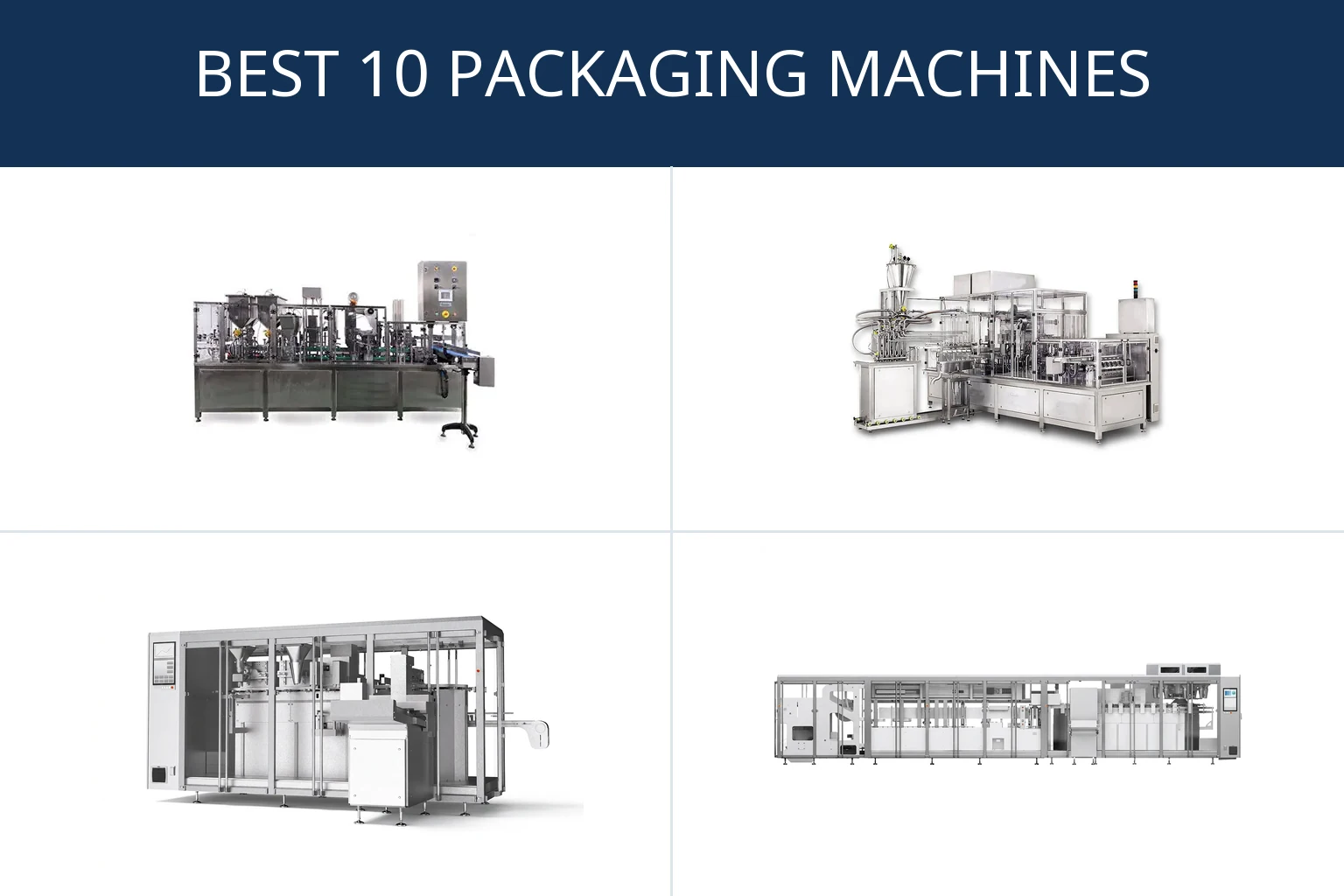
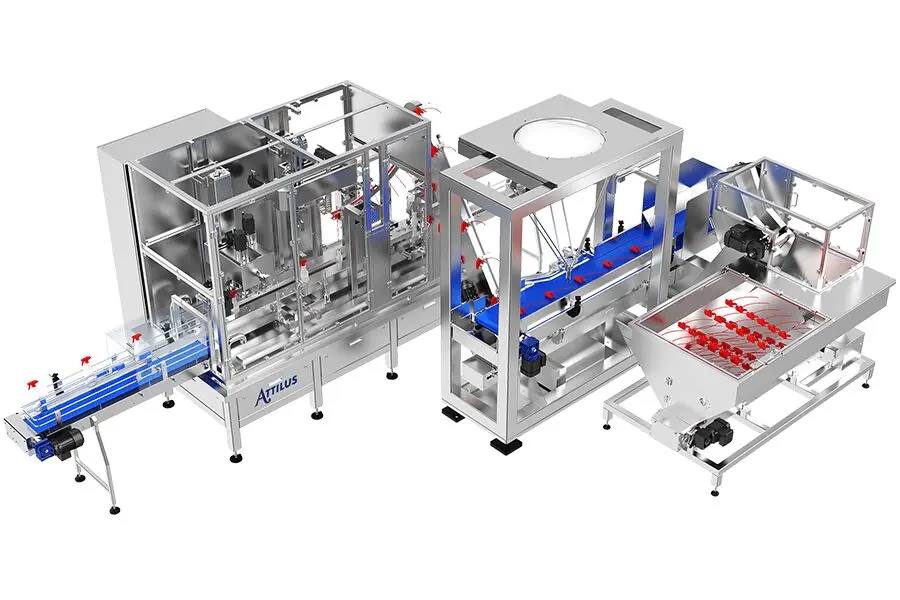
Plants used to evaluate packaging equipment one machine at a time. Today, the bigger gains often come from how the machines work together.
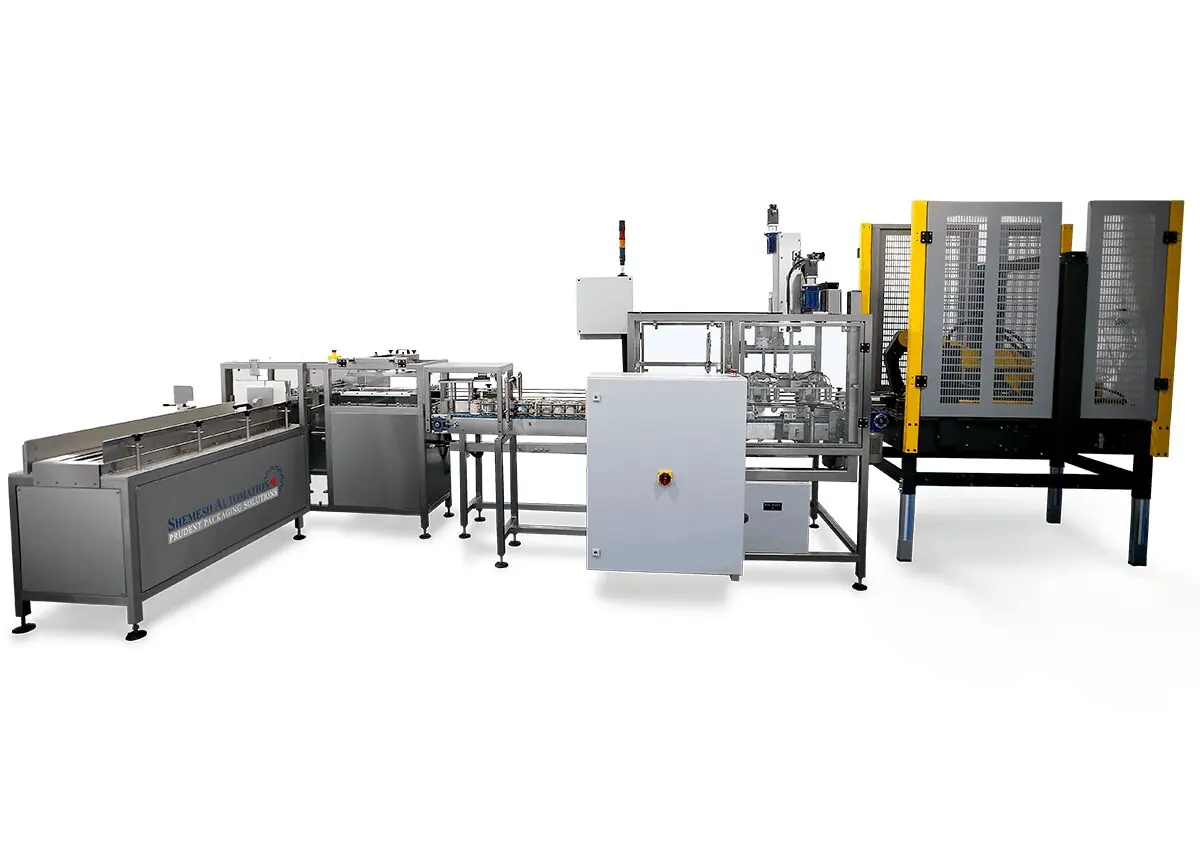
A smooth line manages infeed, filling, sealing, inspection, case packing and palletizing as one connected process.
Labor pressure is changing project priorities
Automation is often driven by staffing challenges as much as by output goals. Repetitive loading, packing, palletizing and inspection tasks can be hard to staff consistently.
The most useful automation plan reduces manual touch points while keeping operators in control of quality and changeover.
Inspection is moving closer to the process
Checkweighing, vision, metal detection and X ray inspection are no longer treated as late add ons. They are part of how the line confirms quality before product reaches the customer.
Planning inspection early helps protect layout, reject handling and data visibility.
A better line starts with a better scope
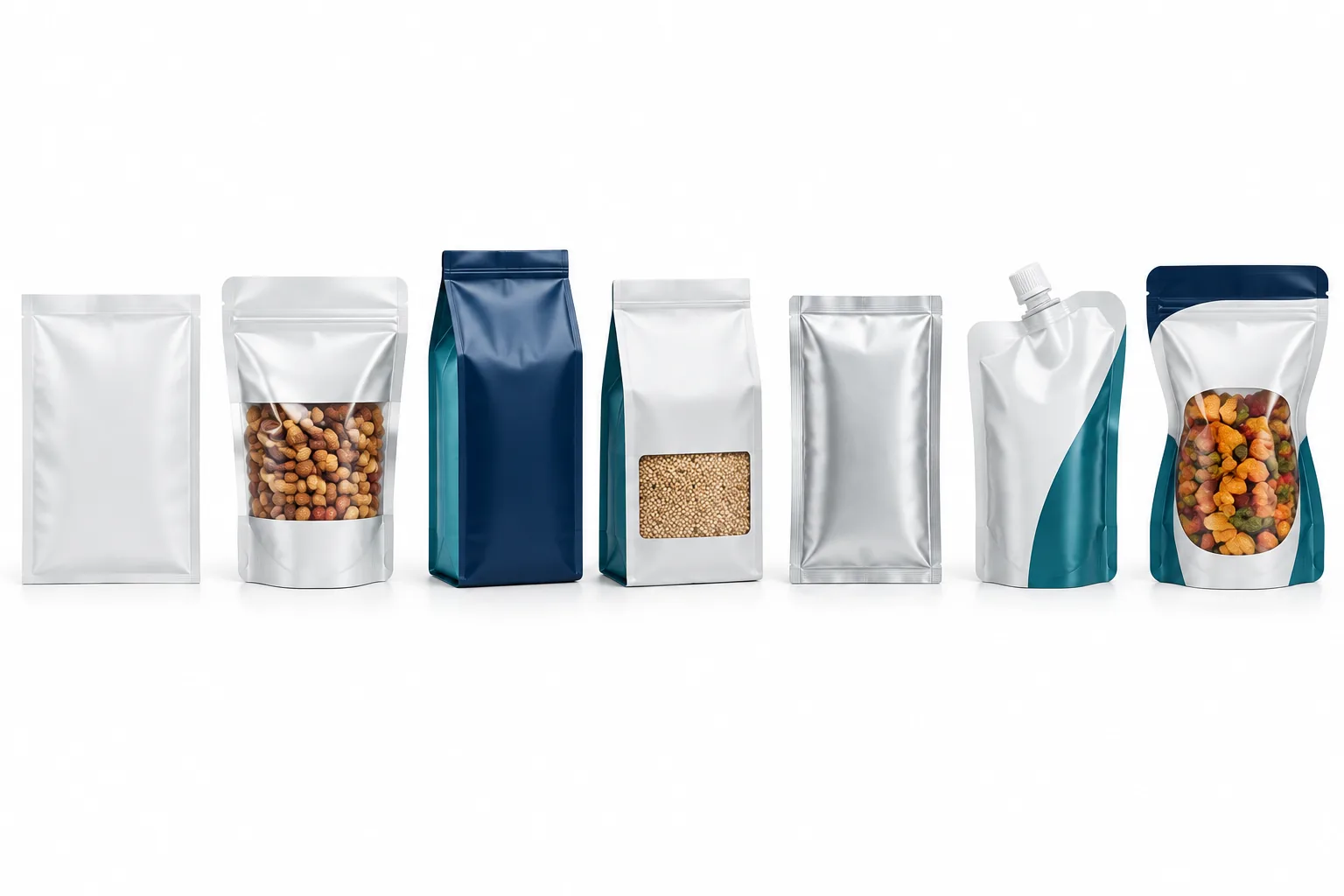
The strongest automation projects define product, package, speed, staffing, cleaning, utilities and future formats before drawings are finalized.
Pure uses that scope to help manufacturers build practical lines that can grow with demand.